Peta Gay Ferguson | When principle comes at a price
Loading article...
-
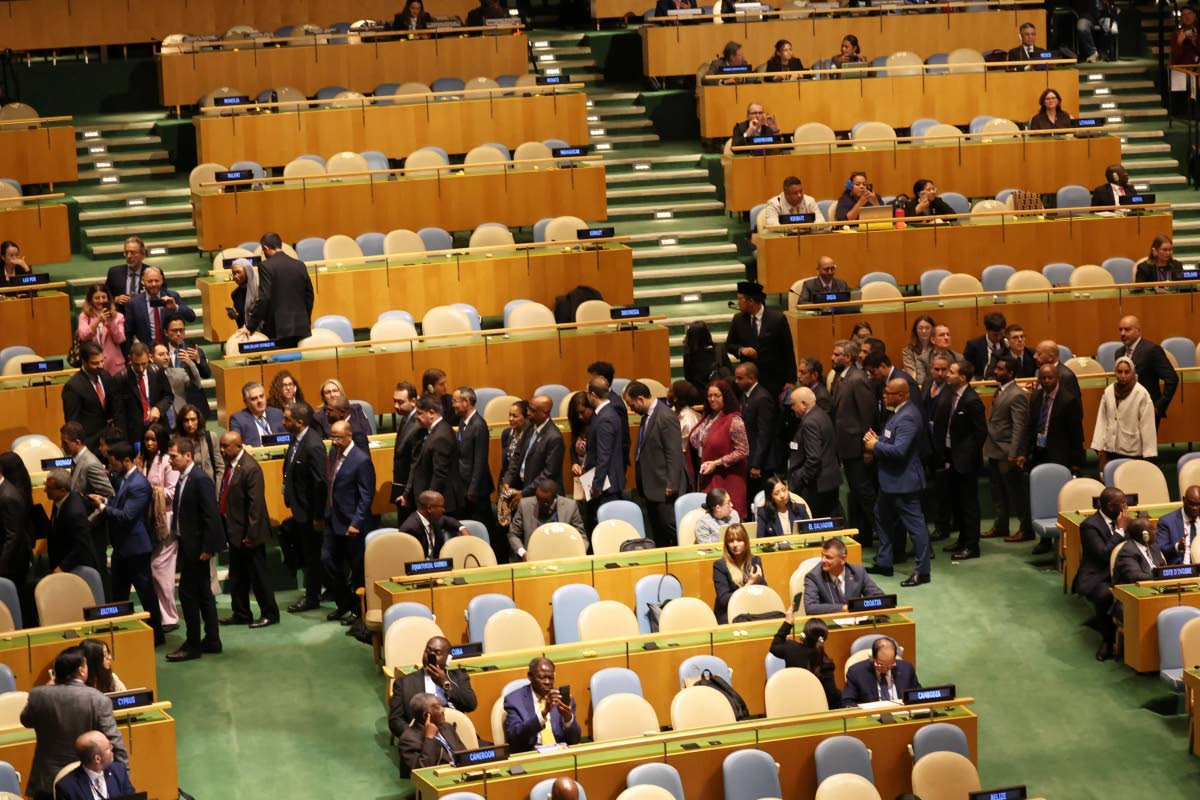 People walk out as Israeli Prime Minister Benjamin Netanyahu begins to speak during the 81st session of the United Nations General Assembly at United Nations headquarters, Thursday. Photo - AP
-
People walk out as Israeli Prime Minister Benjamin Netanyahu begins to speak during the 81st session of the United Nations General Assembly at United Nations headquarters, Thursday. Photo - AP
-
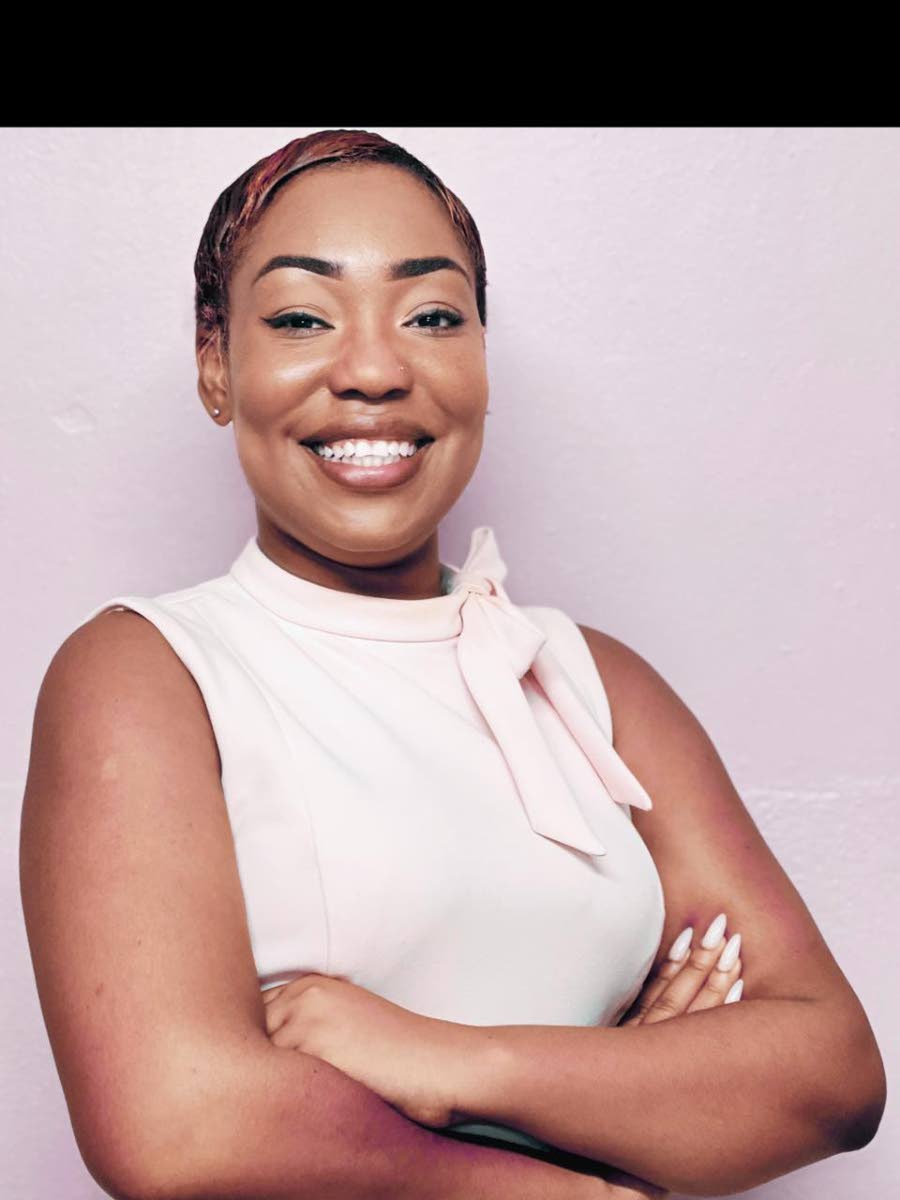 Peta Gay Ferguson. Photo - Contributed
There was a time when Jamaica understood that being small did not mean we had to speak small. We emerged into independence without great military or economic power, but with our voice, our history, and an understanding that might does not make right.
We belong to a Caribbean forged by slavery and colonial exploitation into resistance and political independence. We know what happens when powerful states decide that the lives, labour, land, and sovereignty of less powerful peoples are theirs to control. That history should remind us that principles cannot simply be piously recited when they cost nothing. The real test comes when standing for principle carries a price.
When Israeli Prime Minister Benjamin Netanyahu recently rose to address the United Nations General Assembly, scores of delegations either walked out or were absent. According to The London Economic, based on information attributed to Israeli officials, countries including Barbados, Antigua and Barbuda, Dominica, Saint Lucia, Guyana, South Africa, Brazil, Colombia, Ireland, and Spain were among them. Jamaica was not.
Foreign Affairs Minister Kamina Johnson Smith has since declared that Jamaica is “not a walk-out country”. While remaining in the room does not necessarily amount to endorsement, should diplomatic convention be absolute regardless of circumstance? If Jamaica would not walk out, what other action has it taken to demonstrate strong disapproval? None that I am aware of.
Jamaica now finds itself in a foreign policy quagmire. We recognise the State of Palestine, profess support for a two-state solution, and speak about Palestinian self-determination, international law, and human rights. Yet the JLP Government has deepened Jamaica’s relationship with Israel. In 2017, Prime Minister Andrew Holness became the first Jamaican head of government to visit Israel, where Netanyahu thanked Jamaica for not joining a UNESCO vote against Israel. Later that year, Dr Nigel Clarke was appointed Jamaica’s non-resident ambassador to Israel. Jamaica has also used its defence budget to procure substantial undisclosed technological capabilities from Israel.
Meanwhile, Gaza has suffered under relentless and devastating military aggression. More than 74,000 Palestinians have been reported killed and over 175,000 injured since October 2023, according to figures attributed to Gaza’s Ministry of Health. The humanitarian crisis continues to deteriorate. The United Nations has reported shortages of cancer medicines, dialysis materials, insulin, and other essential supplies disrupting life-saving care, while about 200,000 children remained out of school and hundreds of thousands of displaced people faced further danger from flooding.
SUBJECT TO ARREST WARRANT
Netanyahu remains subject to an arrest warrant issued by the International Criminal Court for alleged war crimes and crimes against humanity, while South Africa has brought proceedings against Israel before the International Court of Justice under the Genocide Convention. These proceedings underline the seriousness of the allegations and the responsibility of the international community to ensure that international law is not treated as an instrument of power reserved for deployment against weaker states.
Against that background, what does Jamaica’s relationship with Israel now represent? What lines have we drawn, and what more must happen before they are crossed? At this point, Jamaica’s silence has become indistinguishable from complicity.
We see and hear the conversations happening locally and internationally. Some Jamaicans have demonstrated for justice for Palestinians and stronger action from our Government. For many in my generation, Gaza forces uncomfortable questions: Whose sovereignty matters? Whose suffering warrants action? Are rules truly rules if their application depends upon how powerful the country accused of violating them happens to be?
These questions should matter profoundly because Jamaica is a small island developing state. We have no nuclear arsenal, cannot economically sanction a superpower into submission, and do not sit permanently on the UN Security Council. If confronted by the overwhelming power of a larger state, we would depend on international law, the UN Charter, and an international community willing to defend our sovereignty. That is why what happens elsewhere can never truly have nothing to do with us. Every time we accept that power determines whose rights are enforceable, another element is torn from the very architecture protecting countries like Jamaica.
FEAR ALIENATING
I understand that countries have interests and powerful allies they may fear alienating. Standing on principle may cost access and favour, exposing relationships that were conditional upon our silence. But injustice thrives when we believe resistance is futile. That is the fear upon which tyranny and imperialism have always thrived. One country walking out may seem inconsequential, but dozens create a global statement. When small countries stand together, they are no longer small. Perhaps Jamaica should start asking: What will it eventually cost us to remain silent?
Pragmatism has its place in foreign policy, but fear should not masquerade as pragmatism. Today, we may believe we are avoiding someone else’s fight. Tomorrow, we may discover that we helped undermine the very rules we rely on others to defend on our behalf. Speaking out can come at a price. Standing for truth can exact a price. But silence also has a price, and Jamaica needs to decide which price we are prepared to pay.
Somewhere between protecting relationships, preserving access, and playing it safe, Jamaica is forgetting how to stand up. We once walked through the world on our own two feet. On our current path, history will record that when courage demanded that we stand, Jamaica chose instead to crawl on her belly.
Peta-Gay Ferguson is the general secretary of PNP YO. Send feedback to petafergi@gmail.com.