Xinyu Addae Lee | Where is the line of reasonableness for hospitalised patients?
Loading article...
-
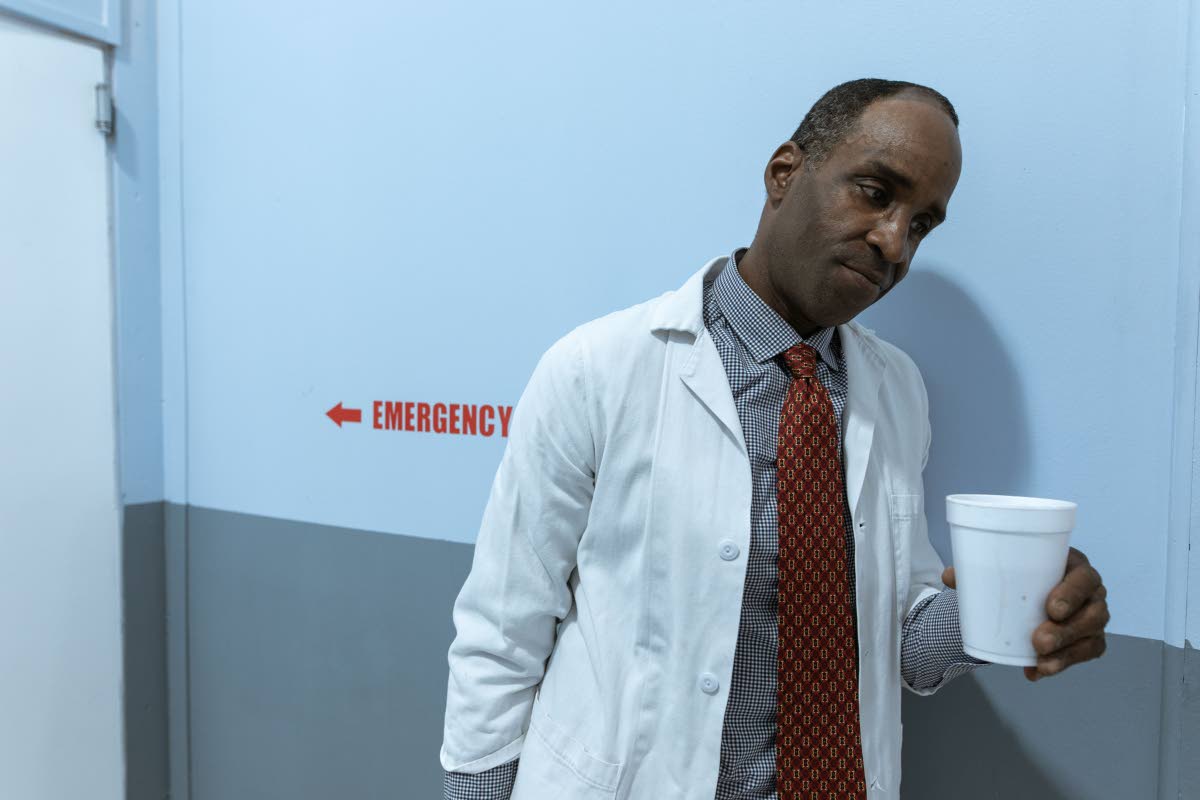 Representational image of a tired doctor. Photo - Pexels
-
Representational image of a tired doctor. Photo - Pexels
-
 Dr. Xinyu Addae-Lee. Photo - Contributed
The healthcare system has been in sharp focus recently. There is a constant outcry regarding the low standard of care that pervades hospitals across the country.
Whether that be related to long waiting times that have led to grave consequences, lack of bed spaces leaving patients on chairs for days, patients being left in their excrement for prolonged periods, or just lack of resources and inability to perform pertinent investigations and procedures, we are privy to it all through social media.
These are all legitimate issues that we should all be concerned about and certainly need to be addressed; however, while most are realistic expectations, I have seen a plethora of tears and outrage regarding unmet expectations, which are unreasonable to hold. This is creating animosity between the public and healthcare workers and is further demoralising them, and I believe it is important to speak out on this.
When someone is admitted to the hospital, it seems the natural inclination is to focus on the doctors, nurses, and support staff to meet all their needs. Some patients need assistance with feeding, some need assistance with ambulating to the bathroom, some need assistance with adjusting their pillow, and some need assistance with a change of sheets because they had an accident or a spill. However, the wards are run on a schedule. Meal times are set, so if your loved one refuses to eat at that time, the support staff must move on to the next patient; sheets are changed at particular times, so if your loved one has an accident, there will be some wait time before it can be addressed; patients are assisted with the bathroom from time to time, but the frequency of their needs cannot be scheduled, and, therefore, some alternative must be provided, which is a bedpan or diaper for the in-between times. We should certainly strive to achieve a level of responsiveness where every patient’s need can be addressed within 20 minutes on every ward, but we cannot expect it now. In other words, we have much bigger problems, and this is one we can take care of ourselves instead of making it much bigger.
SOMETHING CHANGES
Imagine with me for a second that you are that healthcare worker that just tried to feed that patient, or just changed the sheet, or gave them a fresh diaper, a good wipe down, and propped them up perfectly on the pillow before they slumped down. Something changes shortly after, and the family member finds them in an entirely different state. They charge over and ask you to do it again, and you say, “I just did it. I will do it again when I get a chance.” This leads to them accusing you of being uncaring and unwilling to help. What would you do? I would be angry, defensive, dismissive, demoralised, and discouraged from doing my best because it is simply never going to be good enough. We need to see that our healthcare workers are struggling to meet the demands of the job, and adding to those demands is just making it harder.
We are often quick to go online and condemn the hospital or healthcare worker when a relative is found hungry, unkempt, or uncomfortable, but sometimes the patient has gone days without a family member visiting. Hospitals should be responsible for the care they provide, but this responsibility is not one-sided. Imagine if healthcare workers started going online to say” Your relative has been here for five days, where have you been?” That would feel rightly inappropriate and unfair because we rarely know the circumstances behind a family’s absence. We should extend the same caution before publicly blaming individual healthcare workers.
So, what can we do? We can be there, uphold our responsibility, and ease the burden. When permitted and safe, spend time with your loved ones, help with meals and hydration, assist with simple personal care and hygiene, and help them to feel comfortable. We can’t replace nursing care, but we can be present, observant, and willing to provide that extra layer of attention, comfort, and dignity to our loved ones.
LIMITED VISITING HOURS
However, this brings into focus the issue of limited visiting hours and whether these restrictions are a hindrance to families being able to provide this additional support. Perhaps we need to consider a more flexible approach where designated family members are allowed prolonged access while still respecting patient privacy, infection control, and safe operation of the ward.
The fact is our healthcare workers are operating under significant pressure, with overcrowded wards and understaffing. So many have left as the hope for a better work environment has run dry. The job is not for the faint of heart. It is physically and psychologically demanding. This is before we add to it with the verbal and sometimes physical abuse. There is no point in us insisting that we need better care when we are abusing, chastising, and belittling the persons we want better from. This fight can no longer be us and them. It needs to be we.
Dr Xinyu Addae-Lee is a medical doctor and attorney-at-law. Send feedback to reply@consultthedoc.com and columns@gleanerjm.com.