Ford Ranger versus Mazda BT-50
Loading article...
-
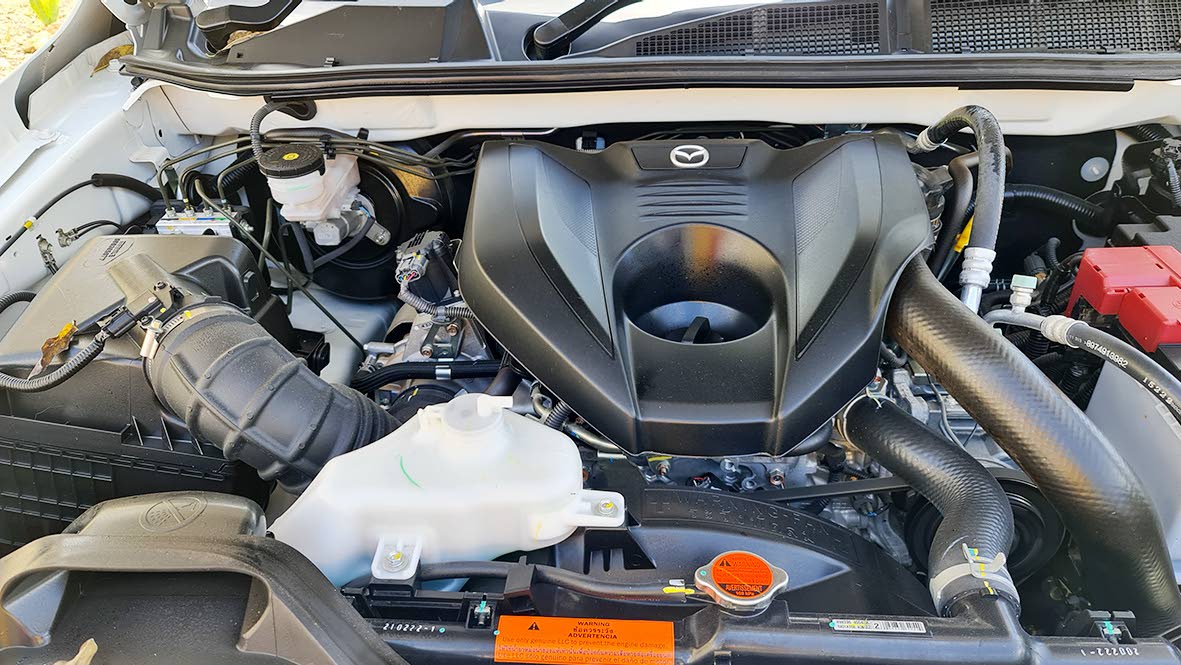 It comes with a 3-litre engine that pushes out 187.7 hp. Photo - AG Guest Guest
-
It comes with a 3-litre engine that pushes out 187.7 hp. Photo - AG Guest Guest
-
 This Mazda steering can be seen in other Mazda models. Photo - AG Guest Guest
-
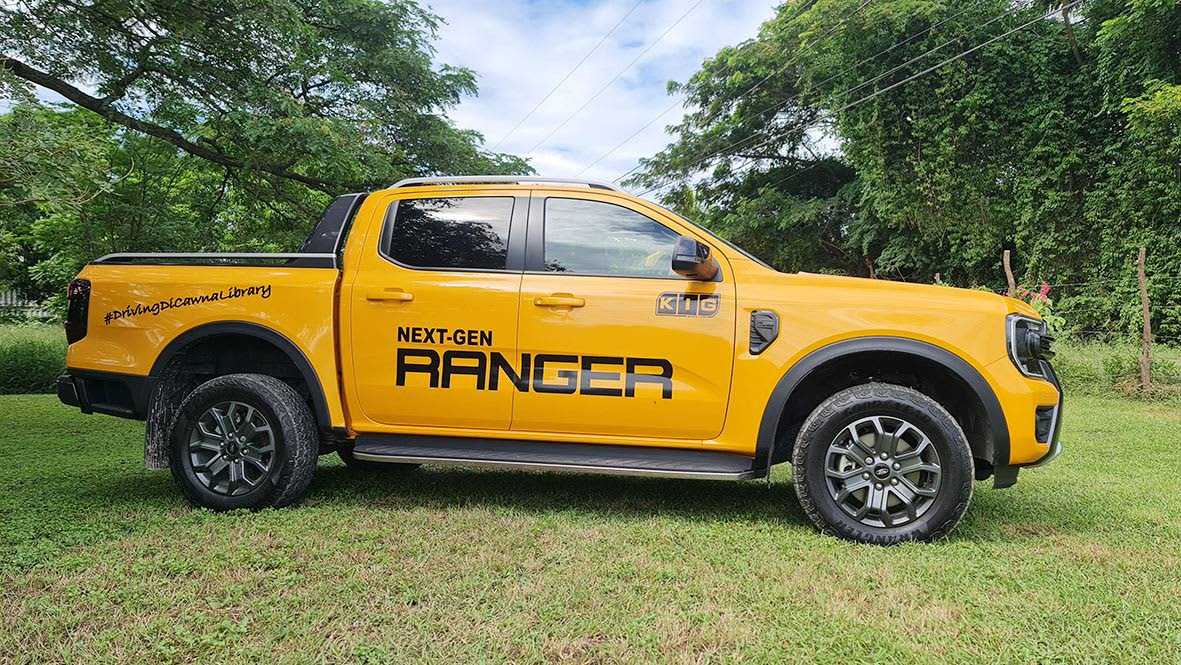 Photo - Kareem LaTouche
-
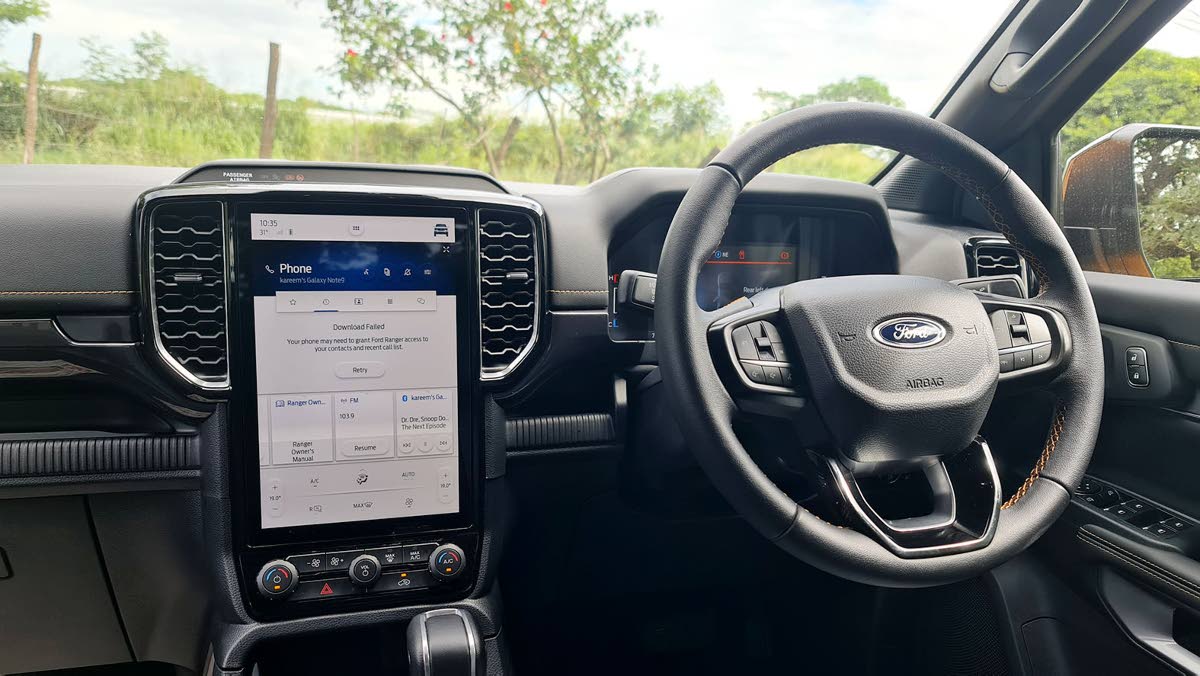 Photo - Kareem LaTouche
-
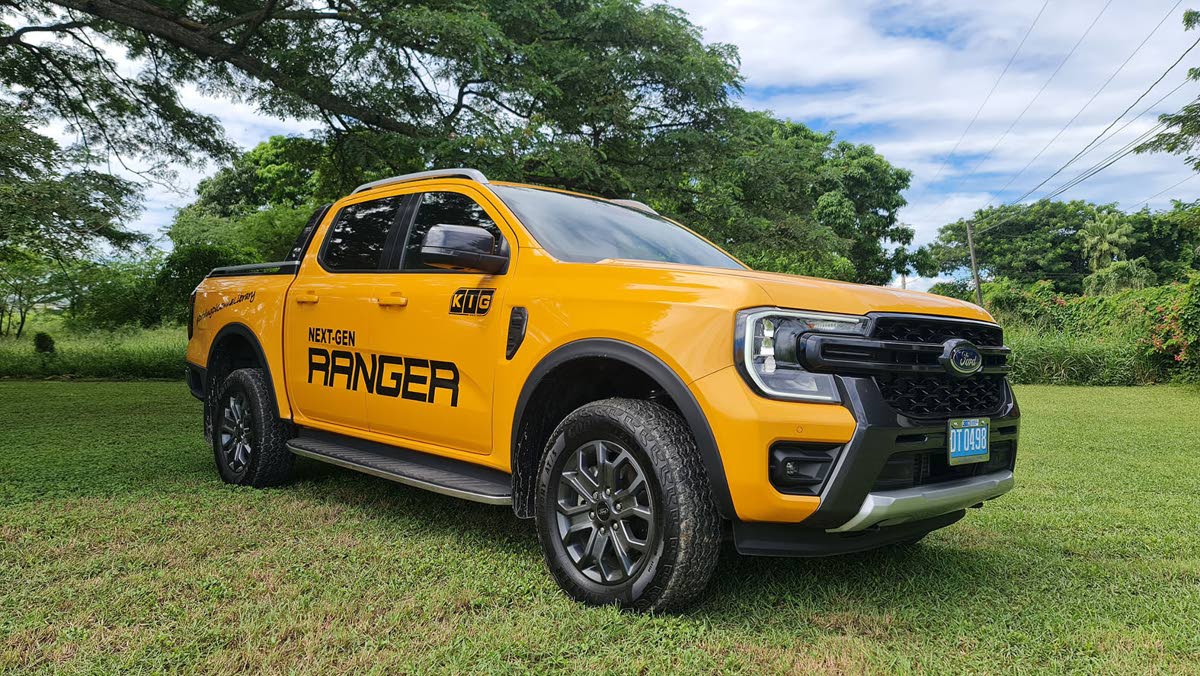 Photo - Kareem LaTouche
-
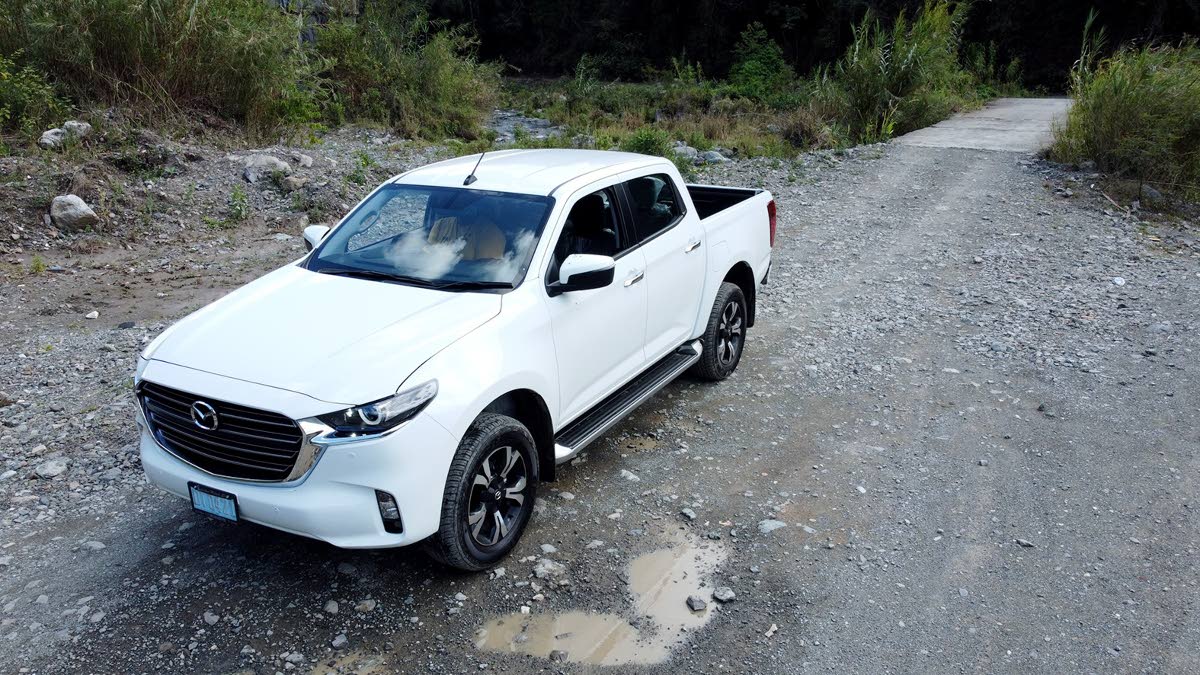
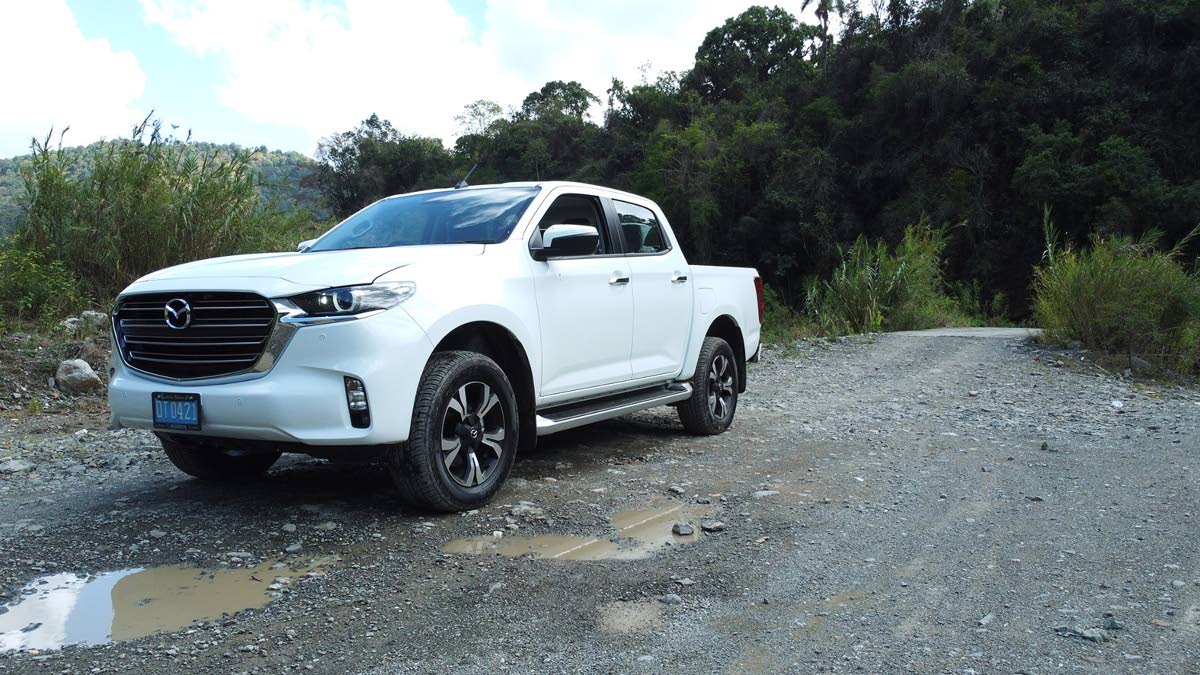 It now has a more streamlined look, where the front fascia resembles the other Mazda models. Photo - AG Guest Guest
By Kareem LaTouche, Automotives Coordinator
The Ford Ranger has a long-standing history dating back to 1983, evolving through multiple generations to become a dominant global and local presence. Similarly, the Mazda BT-50 has experienced significant shifts in its lineage. Following the dissolution of a decades-long partnership between Ford and Mazda, the BT-50 entered a new era through an alliance with Isuzu, adopting the mechanical architecture of the third-generation Isuzu D-Max. Meanwhile, the Ford Ranger continues its lineage, showcasing advanced engineering through generations of design and capability.
Exterior Design
Both pickups present striking presences on Jamaican roads. Yet, they approach styling from different perspectives. The Ford Ranger Wildtrak positions itself as a rugged contender, featuring a bold, aggressive stance highlighted by a blacked-out grille, side steps, a Sports Bar and rail, and 20-inch aluminium alloy wheels. Among its available local paint options, the Cyber Orange finish stands out with unique vibrancy and energy.
In contrast, the Mazda BT-50 adopts a streamlined philosophy. Its front fascia mirrors sibling models within the brand’s line-up, such as the CX-50, while strategically placed fog lights on the lower half of the bumper introduce both practicality and rugged flair. At the rear, the Mazda features bold branding stamped directly into the bed lining, offering a distinct visual touch.
Interior, Infotainment, and Audio Systems
Inside the cabin, both vehicles balance utility with refined comfort, though their technological executions differ. The Ford Ranger Wildtrak features premium leather seating contrasted by distinct orange stitching, alongside a soft-touch dashboard. It incorporates modern conveniences such as wireless smartphone charging, dual-zone climate control, a power-adjustable driver seat, and reverse cameras with sensors. Centrally mounted is a prominent 12-inch touchscreen infotainment system supporting Apple CarPlay, Android Auto, and a built-in Wi-Fi hotspot. Audio is delivered via a six-speaker premium sound system engineered for exceptional mid-range clarity.
The Mazda BT-50 incorporates familiar brand design cues, including a steering wheel layout shared with other passenger models, complete with integrated media and function controls. The in-dash display provides clear and precise vehicle information through smooth animations. Infotainment is managed via a 7.0-inch full-colour touchscreen interface supporting Apple CarPlay, accompanied by a simplified physical button layout for climate controls and soft-touch surface finishes to enhance passenger comfort.
Cargo Space and Practicality
Utility remains a core requirement for local pickup buyers. The Ford Ranger Wildtrak provides a spacious cargo bed equipped with a light tailgate, dual-side illumination for nighttime loading, and two 110-volt power sockets. It accommodates a robust payload capacity and heavy towing capabilities for demanding work environments. The Mazda BT-50 matches this functional versatility, utilising its Isuzu-derived architecture to handle heavy loads effortlessly across challenging local topography.
Driving Experience, Engine Performance, and Handling
Performance on Jamaican asphalt and unpaved rural tracks highlights the engineering differences between the two trucks. The Ford Ranger Wildtrak is propelled by a 2.0-liter bi-turbo diesel engine generating 210 horsepower and 500 lb-ft of torque, mated to a 10-speed automatic transmission and a selectable four-wheel-drive system. With a ground clearance of 9.8 inches, a locking rear differential, hill descent control, and a trail control system, it manages both highway cruising and rigorous off-road trails with equal confidence.
The Mazda BT-50 relies on a 3.0-liter turbocharged diesel engine producing 187.7 horsepower and 331.9 lb-ft of torque. Tested on steep inclines such as Epping Farm in St Thomas and rocky terrain in the Blue Mountain region, the BT-50 demonstrates ample low-end torque, often completing climbs in rear-wheel drive before engaging four-wheel drive. Its suspension system comprises independent double wishbones, coil springs, and anti-roll bars at the front, paired with leaf springs and rigid axles at the rear. While it absorbs major off-road bumps effectively, urban driving yields a noticeably firmer ride quality. The vehicle also features a capable Hill Descent control system, which automatically manages braking during steep, wet descents.
Comparison Specifications
Ford Ranger Wildtrak
Engine Size: 2.0-liter bi-turbo diesel
Horsepower: 210 hp
Torque: 500 lb-ft
Transmission: 10-speed automatic, four-wheel drive
Ground Clearance: 9.8 inches
Fuel Tank Capacity: 80 L
Fuel Consumption: 11 L / 100 km (Highway)
Mazda BT-50
Engine Size: 3.0-liter turbo diesel
Horsepower: 187.7 hp
Torque: 331.9 lb-ft
Transmission: Four-wheel drive
Ground Clearance: 9.4 inches
Fuel Tank Capacity: 76 L
Fuel Consumption: 7.7 km/l
Vehicle Availability
Ford Ranger Wildtrak: Provided courtesy of Kingston Industrial Garage Ltd. Telephone: 923-6479 | Email: sales@kigjamaica.com
Mazda BT-50: Provided courtesy of Executive Motors Ltd. Telephone: 929-5274 | Email: mail@execmotorsja.com