Yaneek Page | The missing scorecard: Jamaica needs a national electricity affordability target
Loading article...

Every controversial refereeing decision at the World Cup eventually comes back to one thing: the scoreboard. Fans can argue about penalties, substitutions, and VAR calls for weeks, but the only question history remembers is who won.
Jamaica’s electricity debate has become trapped arguing over the equivalent of refereeing decisions. Solar or nuclear? JPS or competition? LNG or batteries? Those debates matter, but they all miss the larger question: Is electricity becoming cheaper?
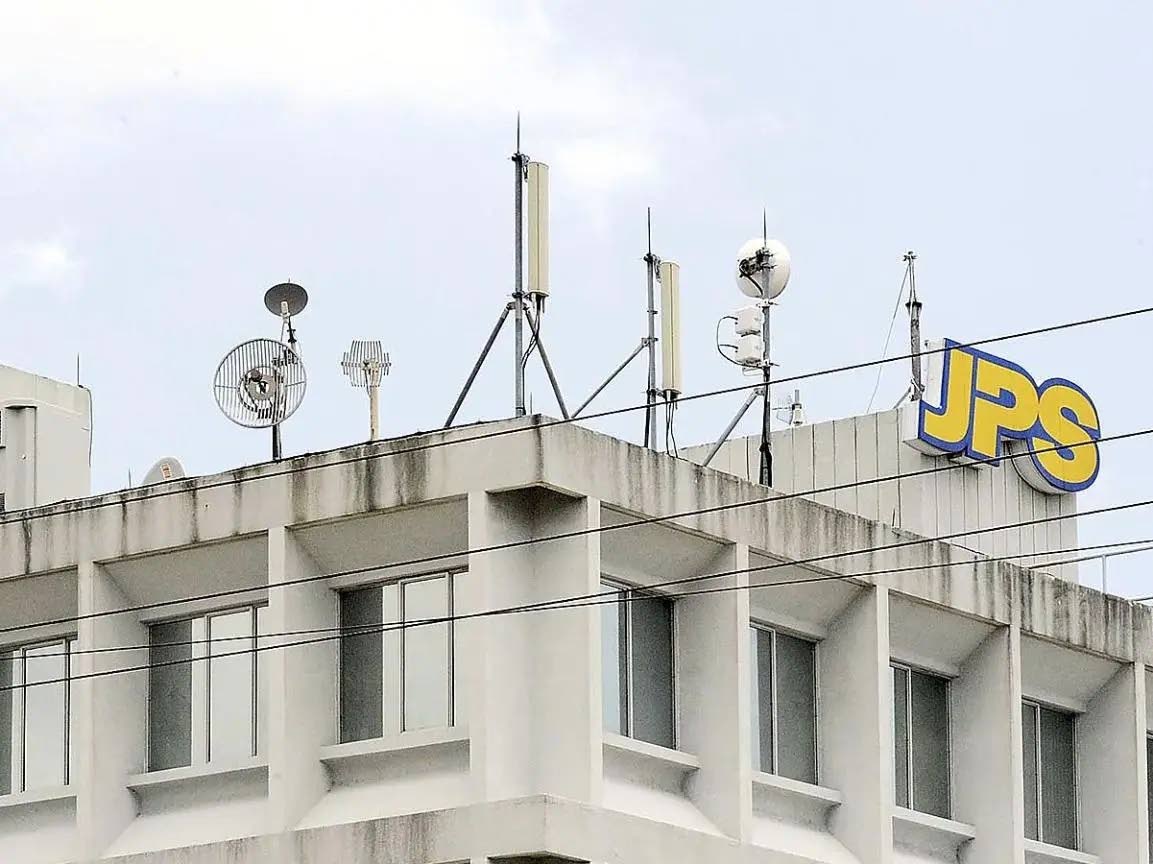
When a widespread blackout plunged the country into darkness weeks ago, the cost was immediate: shuttered businesses, sweltering homes and millions in lost productivity. Combine that with El Niño conditions now developing across the Pacific, increasing the likelihood of hotter temperatures and higher electricity demand, and the ongoing political wrestling match over the JPS licence, and it feels like Jamaica’s energy conversation is permanently stuck in crisis mode.
Now, the prime minister has indicated that nuclear energy could become part of Jamaica’s long-term energy mix. But, amid the noise, Dr Ramón Méndez Galain, one of the architects behind Uruguay’s legendary shift to 98 per cent renewable energy, quietly visited the island with a loud and provocative message: Jamaica can run entirely on clean power.
Yet, for me, the most vital takeaway from his visit wasn’t necessarily about wind turbines or solar panels. It was that we have yet to answer the simplest question: How exactly are we measuring success?
The Massive Leverage of a Single Cent
Jamaica pays roughly US$0.29 per kilowatt-hour for electricity, about five times what our neighbours in Trinidad pay and more than double the global average. That translates into one of the highest electricity costs in the Caribbean and places Jamaican households and businesses at a significant competitive disadvantage. Energy experts have long pointed to this as a massive drag on our global competitiveness. To understand the sheer scale of this burden, look at the numbers. Jamaica consumes roughly 3.3 billion kilowatt-hours of electricity annually. Therefore, a five cent reduction puts US$165 million back into the economy annually, and a 10 cent reduction pumps US$330 million into customers’ pockets.
While public outrage usually focuses on household bills, the staggering damage is being done to our productive sectors. Over half of Jamaica’s electricity consumption occurs outside the residential sector, within the businesses and industries that power the economy. As I’ve argued in prior articles, lowering electricity costs is the most aggressive economic development strategy we have yet to unlock.
Despite decades of intense public debate, Jamaica is missing the single most critical scorecard in the entire economy. Businesses must improve the metrics they track relentlessly, to stay alive, and successful governments are no different. If we are all in agreement that electricity affordability is one of the most important drivers of competitiveness, investment, and household prosperity, then it deserves to be managed with the same discipline that is applied to inflation, unemployment, and public debt.
As a country, we track what we care most about. For example: inflation and debt management, unemployment and crime rates, foreign direct investment (FDI), and so on.
But, search through every major policy document and you will find a glaring, inexplicable gap: There is no concrete, time-bound national target for the actual cost of electricity at the household and business level. There’s an abundance of vague language about “affordability”. But nowhere is it written: This is what electricity costs today, this is our target price five years from now, and this is how we will measure against it every single year.
Imagine if the national apparatus established a strict National Electricity Affordability & Reliability Target - one that commits to slashing average electricity costs by ten cents US, and cutting total annual grid outage hours by 50 per cent over the next decade.
Instantly, the entire energy debate changes. Every project, regulatory decision, and infrastructure investment would be stripped of political ideology and forced to answer to the scoreboard. Instead of a traditional, input-driven focus that celebrates the approval of a new solar farm, we would be forced to ask a simpler question: Will this project actively lower the national cost per kilowatt-hour?
That same test should apply to every proposed solution, whether the country is considering nuclear energy, liquefied natural gas, solar, wind, battery storage, grid modernisation, or a renegotiated utility licence. The point is not to become attached to any one technology or provider. The point is to judge every option by whether it improves reliability, strengthens energy security, and moves Jamaica closer to a clearly defined affordability target. Instead of merely counting the megawatts added to the grid, the country would track an actual economic outcome: Did electricity become cheaper for a bakery in Kingston this year?
If costs go up, alarms should sound across the government, not because of politics, but because every single cent added represents US$33 million being systematically extracted from Jamaican households and enterprises.
The target should also be accompanied by a simple annual public scorecard that reports the current average cost per kilowatt-hour, the national target, the progress made during the previous year, and the estimated savings returned to households and businesses. This would allow every Jamaican to judge whether the country is moving closer to or further away from one of the most important measures of national competitiveness.
Success is not measured by newly minted contracts, ribbon-cutting ceremonies, or new solar set-ups. Rather, it’s when electricity becomes cheaper year after year.
One love.
Yaneek Page is the program lead for Market Entry USA and a certified trainer in Entrepreneurship.