Howard Mitchell and Michael McAnuff-Jones | MPs require capabilities, not checklists
Loading article...
-
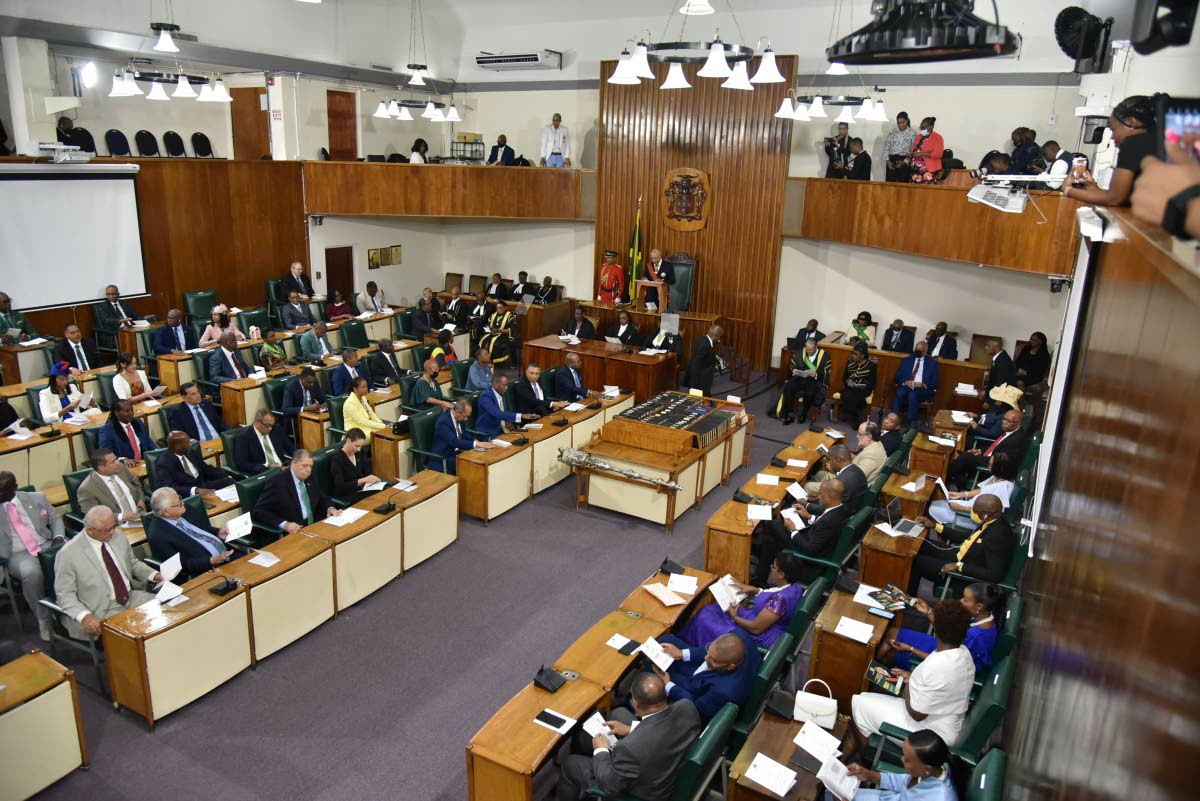 Howard Mitchell and Michael McAnuff-Jones write: The nation deserves representatives who earn trust, command respect, and possess the demonstrated capacity to lead with integrity. Photo - File
-
Howard Mitchell and Michael McAnuff-Jones write: The nation deserves representatives who earn trust, command respect, and possess the demonstrated capacity to lead with integrity. Photo - File
-
 Howard Mitchell
-
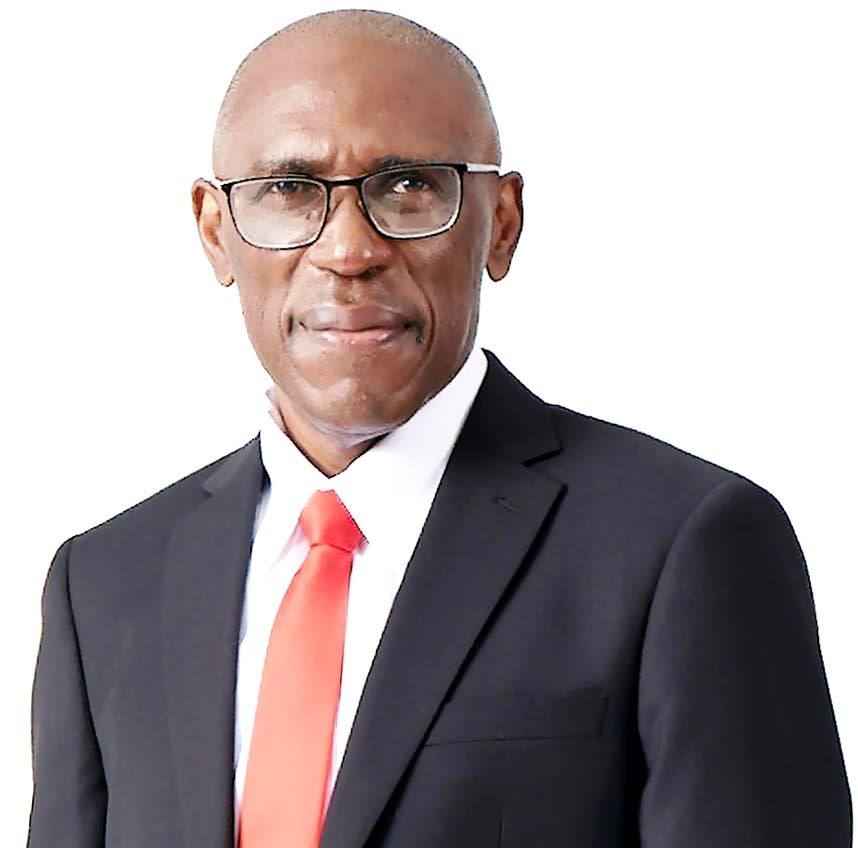 Michael McAnuff-Jones
The creation of a formal job description for members of parliament (MP), as proposed in the 2023 Green Paper No. 3 and recently endorsed by a Joint Select Committee, aims to enhance accountability and define the responsibilities of those elected to office. This is a commendable step forward. The people of Jamaica have a right to explicit expectations for their representatives’ performance.
However, the approved framework falls short. Its emphasis on tangible outputs and activities, to the exclusion of essential skills and ethical conduct, could result in MPs who merely fulfil administrative requirements while lacking the profound capabilities and character demanded of leaders in a contemporary democracy.
PITFALL OF PROCEDURE OVER PROFICIENCY
The proposed description heavily prioritises local constituency work, especially concerning the Constituency Development Fund (CDF). Notably, half of the listed “key deliverables” are tied to CDF management and reporting. This inadvertently diminishes the MP’s role to that of a municipal administrator and undervalues their critical national functions as lawmakers and guardians of the public purse.
Further, the outlined skills are insufficient. While it cites communication and negotiation, it omits the core proficiencies vital for governance—such as scrutinizing policy, understanding public finance, conducting effective oversight, and making decisions informed by evidence. An MP might be present for debates and votes, but without these deeper abilities, their parliamentary contributions risk being procedural rather than substantive.
CRITICAL ROLE OF CHARACTER
Just as crucial are the behavioural standards/competencies which the proposal scarcely addresses. Constituents rightfully expect their representatives to personify principles like integrity, impartiality, and civility. Yet the current draft offers only broad rhetoric about “protecting the integrity” of the role.
Broad Civil society feedback, including technical advice from the Human Resource Management Association of Jamaica, was unequivocal: the job description must explicitly mandate respectful conduct toward all citizens and colleagues, non-partisan execution of duties, and a commitment to ethics. Indispensable leadership traits—including empathy, emotional intelligence, and a service-oriented mindset – should be formally acknowledged. These are not optional additions but the bedrock of public trust in democratic institutions.
REPEATEDLY OVERLOOKED OPPORTUNITY
This omission echoes a longstanding failure. Recommendations for a strict code of conduct for MPs, dating back to the 1990 Carl Stone Committee, included combating corruption, preventing political persecution, showing respect for citizens, and maintaining consistent constituent dialogue. None of these critical principles have been incorporated into the approved proposal.
By not embedding these behavioural standards into the job description, MPs could technically satisfy requirements – like parliamentary attendance or report submission – even while engaging in behaviour that damages public faith in government. This oversight renders the framework ineffective as a tool for genuine performance management.
IMPLICATIONS FOR GOVERNANCE AND THE ECONOMY
From a governance perspective, this would be considered inadequate in any other professional sector. In the corporate world, executives are evaluated not just on tasks completed, but on their adherence to fiduciary responsibilities and their ability to earn the confidence of stakeholders. Parliament should hold its members to the same standard, given they are entrusted with the public’s welfare.
The economic consequences are equally significant. Investors are attracted to stability and accountable leadership. A Parliament that permits MPs to achieve procedural compliance in local projects without demonstrating expertise in finance, oversight, and ethics risks weakening commercial confidence. A more robust framework that integrates core competencies would signal that Jamaica is committed to exemplary governance and accountability.
PATH TO MEANINGFUL REFORM
For the job description to be truly effective, it must be strengthened. Six key improvements are essential:
1. Integrate functional capabilities – including legislative scrutiny, financial acumen, data-driven constituency management, and strategic communication.
2. Incorporate behavioural competencies – such as integrity, empathy, and respectful dialogue – making them central to performance assessment.
3. Formally link the description to a code of conduct to explicitly bind MPs to ethical norms and anti-corruption measures.
4. Strike a better balance between local duties and national responsibilities, ensuring the scrutiny of legislation and government ministries is prioritized alongside community projects.
5. Implement quantifiable performance indicators for participation, responsiveness, and adherence to ethical standards.
6. Institute mandatory ongoing training in governance, public finance, and leadership to ensure MPs’ skills remain relevant to the nation’s evolving challenges.
ELEVATING THE QUALITY OF LEADERSHIP
The Green Paper is a positive initial move, but it must not simply catalogue an MP’s tasks. It must also establish the standard for how those tasks are performed. This necessitates moving beyond basic administrative lists to ingrain the capabilities that constitute credible and effective leadership.
By demanding accountability not only for attendance and reports but also for proficiency, conduct, and ethical stewardship, Jamaica can fortify both its democratic institutions and its economic future. Parliament and the public must not accept a system that rewards doing the bare minimum. The nation deserves representatives who earn trust, command respect, and possess the demonstrated capacity to lead with integrity.
Only then will the goal of true accountability be realised – and Parliament truly become a defender of the public good.
Howard Mitchell is an attorney and businessman and the former president of The Private Sector Organisation Of Jamaica (PSOJ). Michael McAnuff-Jones is in pastoral ministry and a human resources consultant. Send feedback to columns@gleanerjm.com