Omar Sweeney | Planning for Jamaica’s infrastructure resilience
Loading article...
-
 This photo shows reconstruction work, which is under way at the Outpatient Clinic at the Savanna-la-Mar Hospital, Westmoreland, which was destroyed during Hurricane Melissa last October. Photo - Mickalia Kington
-
This photo shows reconstruction work, which is under way at the Outpatient Clinic at the Savanna-la-Mar Hospital, Westmoreland, which was destroyed during Hurricane Melissa last October. Photo - Mickalia Kington
-
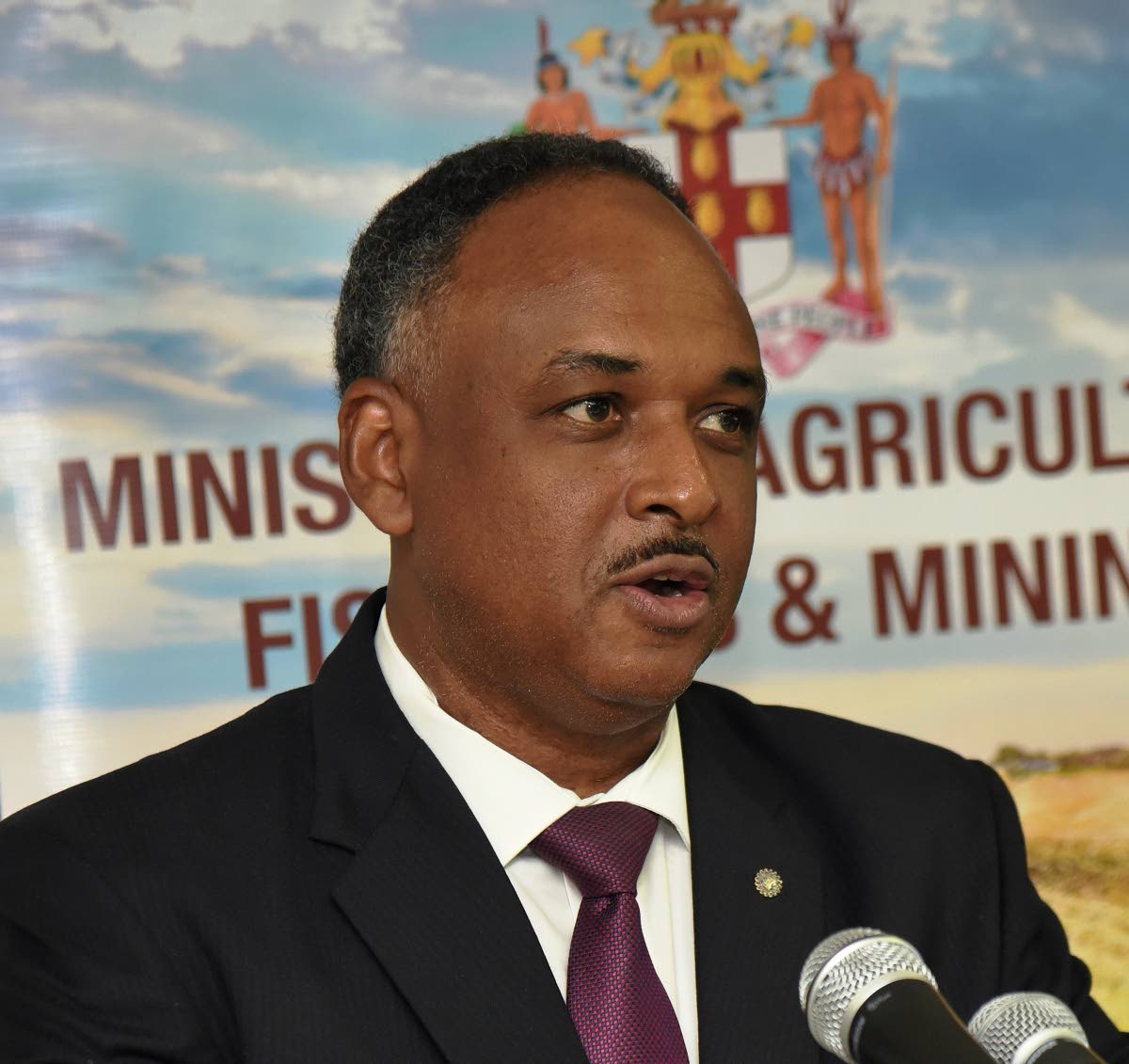 Omar Sweeney. Photo - File
The passage of Hurricane Melissa last October has put Jamaica’s infrastructure resilience, especially in the built environment, front and centre. Jamaica, as a small island developing state (SIDS), faces unique challenges in implementing sustainable building practices. Poverty, job scarcity, high cost of living, and low growth highlight the need for tailored solutions to guide sustainable development efforts.
SIDS face expenditures for recovery from the devastating impacts of climate-induced disasters rather than planned expenditures for sustainable development. SIDS, however, must plan to develop sustainably and pursue affordable, sustainable solutions to address climate risks and today’s urban challenges. In Jamaica, limited resources, urban sprawl, ineffective zoning policies, and the optimal placement of infrastructure in sustainable zones are just a few of the usual causes of poor resilience.
Related to more frequent storms and climate events, there is increasing interest in “rebuild instead of plan” among government, community-based organizations, and environmental interest groups. The growing realisation is that we must reduce the impact of these events without sacrificing economic progress. We must always question whether the inhabitants of our towns and cities would share the collective vision of sustainability and resilience that international best practices propose.
In most cases, people use resources as they want and do not limit themselves if they can live comfortably through unsustainable practices. Blocked gullies and drains, with garbage, are a clear example of this in Jamaica’s urban context. Limited resources, zoning, and socioeconomic inhibitors are real barriers to resilience, and perhaps only after a hurricane, a climate event, or a natural disaster do some pay attention.
GLOBAL EXAMPLES
Northern Europe’s adaptation to sustainable practices uses wind and geothermal energy to compensate for the lack of sunlight during winter. Adopted policies such as those implemented in Osceola County, Florida, where developers must leave 65 per cent of a site undeveloped, non-agricultural irrigation needs to be done through harvested or recycled water. Fifty per cent of energy demands must be met through on-site renewable energy, and finally, a quarter of all construction materials must be recycled or reused.
The UN-Habitat recommends adequate street space and an efficient street network, a high-density concentration of people and their activities, mixed land use, and social mix. i.e., community social-class interaction and limited land-use specialisation as five principles essential for a sustainable city. These are passive and active strategies designed to improve the sustainability and resilience of towns and cities.
PROPOSED HYBRID FRAMEWORK
Research demonstrates that a hybrid approach combining the best elements of sustainable cities with country-specific advantages is feasible and highly practical. For example, Jamaica should mainstream laws and policies that promote the use of photovoltaic systems, given its abundant solar radiation. Planners should be mandated to design buildings that use sunlight, passive cooling, solar water heating, and green roofs to reduce the urban heat island effect.
Incremental, sustainable improvement in and the implementation of affordable practices as urban areas expand will always be more achievable than building approaches that are unsustainable and unaffordable. However, to be effective and improve resilience, we must scale and do so effectively. We must ensure that as urban centres develop, zoning safeguards and community engagement mitigate pollution and adverse effects that impact areas distant from their locations.
IMPLEMENTATION ROAD MAP
A robust policy grounded in science can implement sustainable, short-term pilot green technologies to achieve zero-waste goals, for example, by incorporating biomass into an integrated waste-to-energy management plan. This approach, using medium-term policy adjustments, diversifies an integrated energy resource plan and enables objectives around solid-waste management and infrastructure maintenance (drain cleaning) to be met. The solutions resolve energy demands, and long-term scaling tactics will provide redundancy and resilience in the event of disruption.
The expected outcomes are improved resilience, economic viability, and social inclusion. The goal of sustainable development will include design techniques that integrate technology, renewable energy, green building materials, and meaningful community engagement.
Managing the impacts and risks of climate change is a difficult and complex task. Scientific evidence suggests that loss and damage are not being adequately addressed in developing countries. There is a growing desire to halt environmental damage. Incremental improvement in policies and a hybrid approach, combined with the implementation of best practices and strong policy imperatives, will be more achievable and represent the cutting edge of what is possible.
Omar Sweeney is the managing director of JSIF. He is a civil engineer and is currently conducting doctoral research at the University of Florida, Engineering School of Sustainable Infrastructure and Environment. Send feedback to osweeney@ufl.edu and columns@gleanerjm.com.