Elizabeth Morgan | A global state of distress
Loading article...
-
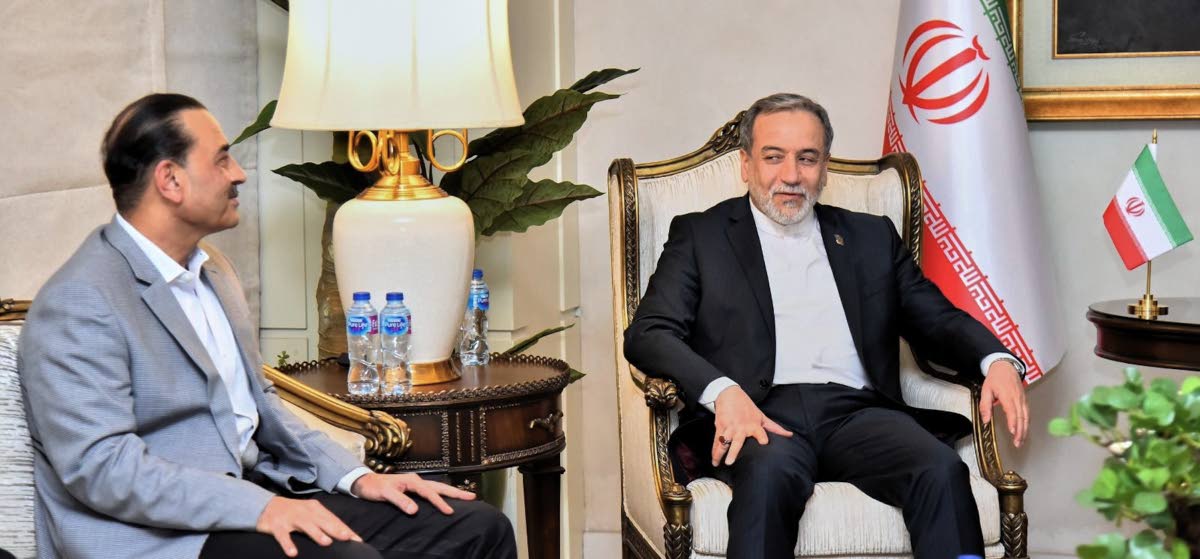 In this photo released by the Pakistan Foreign Ministry, Iran’s Foreign Minister Abbas Araghchi, right, meets with Pakistani Army Chief Field Marshal Asim Munir, left, upon his arrival at Nur Khan airbase in Rawalpindi, Pakistan, Friday, April 24, 2026.
-
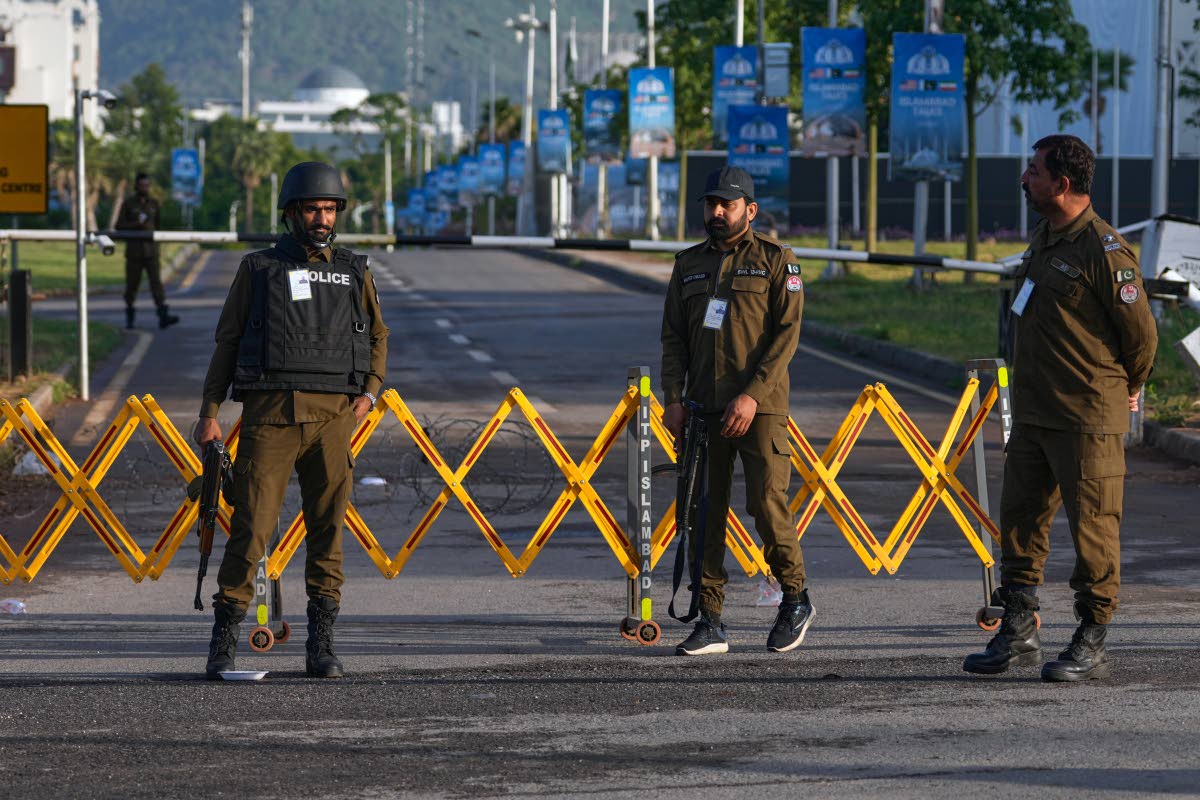 Police officers stand guard at a checkpoint near Serena Hotel, a possible venue for US and Iran talks, in Islamabad, Pakistan, on Saturday, April 25, 2026.
Last week, this column looked at the oil crisis triggered by the US/Israel war with Iran, which started on February 28. This has led to the blockading of the Strait of Hormuz by both the USA and Iran. Even with a ceasefire of some sorts, there is no indication of an end to this war any time soon. Negotiations between the US and Iran, brokered by Pakistan, don’t seem to be making any progress. Many commentators think there is no exit strategy.
The price of oil is increasing and is affecting countries all around the world, including the USA. There are countries in danger of running out of oil as their supplies run low. Economists are now projecting that a global recession is not far off and there are already indications that global growth will be trending down.
While most of us are concerned about the rising price of goods and services, there is just a lot of additional stress around the world some surrounding the US President Donald Trump and others generated at national and regional levels.
USA
The current headline news in the USA, arising from their lax gun laws, is another incident involving weapons at the White House Correspondents Dinner on the weekend. It was fortunate that there were no resulting deaths and injuries. There is constantly something happening in the US, at the national, regional, and international levels, consuming the news.
Europe including UK
In Europe, they are concerned about the relationship in the North Atlantic Treaty Organization (NATO), with criticism and threats from President Donald Trump and his Vice President J.D. Vance about Europe’s weaknesses, dependence on the US for security, and threats to acquire EU territory. They are also being criticized for not joining the Iran war, which they do not see as coming under NATO. It now appears that the Europeans are doing a rethink of their situation, recognizing that they cannot depend on the US and have to look to their own security, especially as a war is in progress there.
The United Kingdom finds itself in a very difficult situation arising from its special relationship with the USA. The Epstein scandal is a thorn in the UK’s flesh. Prime Minister Starmer is in a fight to maintain his position as Prime Minister and leader of the Labour Party. In addition, President Trump has been most uncomplimentary about Britain and its military, especially as PM Starmer declined to join the Iran war.
A recent development is that President Trump has signaled that the US could support Argentina’s claim for the British Falkland Islands in the South Atlantic. Britain formally took control of these uninhabited islands in 1833 and went to war with Argentina in 1982 to secure them. In a 2013 referendum, the islanders voted to remain a British overseas territory. Argentina has been reasserting its claim under President Javier Melei, an ally of President Donald Trump. So, the US has now raised this matter indicating that it could review its position on Britain’s sovereignty over the Falkland Islands. This could be a stress point.
There is very serious concern in Britain about the state visit by King Charles III to the USA this week. The visit is to mark the 250th anniversary of US independence, but, it is feared, could be a minefield for the King. Recall that King Charles is also Head of State of Canada and a few other Commonwealth Countries such as Australia, New Zealand and Jamaica.
Canada
President Trump has not dropped his claim that Canada could become a US state. Canada’s Prime Minister Mark Carney’s Liberal Party now has a majority in the Parliament. Carney is clearly moving to disentangle Canada from its relationship with the USA. This close relationship is now seen as a weakness, making Canada vulnerable. Carney is aiming to make his country more self-reliant in security and to diversify its economy. The review of the trade agreement between the US, Mexico and Canada is due in July. Tensions could be building on this.
THE GLOBAL SOUTH
Asia – including China and India, is responsible for over 50 per cent of global manufacturing and is facing serious problems from the Iran war. Countries need oil, which comes through the Strait of Hormuz. Their oil supplies are running low. They are implementing measures to conserve oil supplies. The countries in Western Asia, the Middle East, are also in a very difficult situation as the war affects them directly.
Africa – It is reported that this Iran war is exacerbating the humanitarian crisis in Africa. It is disrupting oil, trade, food and aid supplies, and it is driving up inflation. Though countries have oil reserves, the continent is dependent on foreign oil supplies. This could worsen food insecurity and further inflame conflicts on the continent.
Latin America and the Caribbean – this region is facing the same problems as other regions, including volatility in financial markets. Cuba has to remain on alert.
The global integration of markets is now proving to be a liability.
CARICOM
All that is happening in the world has very serious economic implications for the CARICOM countries, most are importers of oil, food and other critical supplies. Tourism could be impacted as travel prices increase. Here in Jamaica, we are being alerted from the private sector that prices could increase by 20 per cent. In addition, hurricane season is just a month away. What is the issue consuming much news time in this region? It is whether CARICOM’s Secretary General has been or should be reappointed. There is a process by which this should be addressed by the Conference of Heads of Government in accordance with the relevant provisions of the Revised Treaty of Chaguaramas. CARICOM’s attention should be focused on the impact of this global distress exacerbated by this Iran war. It is seeming, though, that CARICOM is fractured at this critical time.
Elizabeth Morgan is a specialist in international trade policy and international politics. Send feedback to columns@gleanerjm.com.