Peter Espeut | Church schools are not government schools
Loading article...
-
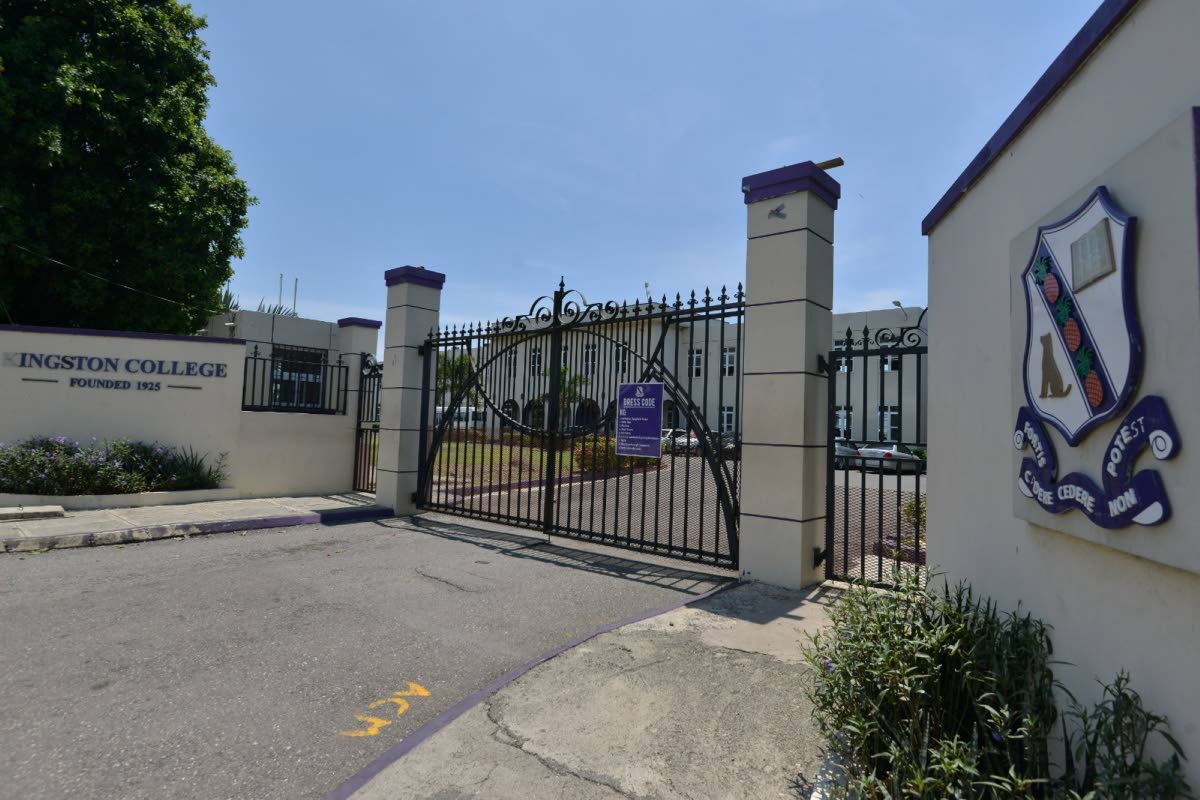 Kingston College entrance. Photo - File
-
Kingston College entrance. Photo - File
-
 Peter Espeut. Photo - File
I am in possession of a very out-of-order letter from the chief education officer (acting) to the chairman of the board of management of a certain Catholic school.
The letter advises the board chair that the Ministry of Education has selected that Catholic school as one of the 223 small schools to be consolidated. It is to “continue to operate as normal until further notice, and the final decision regarding consolidation will be communicated formally by the Ministry in a timely manner”.
What a piece of facety-ness!
The government does not own the school. The government did not start the school or open the school. At a certain point in history, many decades ago, the school was already in existence. The government offered the church a grant-in-aid of the running of the school, which the bishop accepted, and continues to accept. If the ministry wishes to change the arrangement, then they must come to the owners of the school and negotiate.
Merge and consolidate the schools that you own by diktat. But check your lawyer before you try it with a church school!
I hear through the grapevine that church schools owned by other denominations have received similar letters. I believe the ministry is overstepping its bounds! Trumpish behaviour! They will learn!
We need to bear in mind that some 700 schools, about one-third of all the schools in Jamaica, are owned and operated by churches and privately endowed trusts. The school which received that letter is owned and operated by the Catholic Church, not the Government of Jamaica, nor the Ministry of Education. As the archivist for the Archdiocese of Kingston, I have custody of the registered title for the property; and all buildings on church property, whoever built them, belong to the church. The government must respect property rights!
The ministry makes much of the annual contribution they make to the cost of operating some church schools, and they designate that kind of school a “public school”. All that means is that the school is in receipt of public funds towards the running of the school. The funding is always inadequate.
These schools are NOT government schools. Government schools are owned and operated by the government through the Ministry of Education. The ministry names the board chairs of government schools, and the minister appoints them.
Church (and trust) schools are owned and operated by particular churches, viz the Anglican, Baptist and Catholic churches, etc (or trusts, like the Wolmer’s Trust, the Munro & Dickenson’s Trust, etc). The church (or trust) which owns the school names their board chairmen and the majority of the board members. The minister of education formally appoints them, but the minister of education does not have the authority to name the board chair of a church (or trust) school, or those who represent the church (or trust) on the board.
This is important because one of the reasons why church and trust schools are of so much better quality than government schools is because of the better-quality school board management that churches bring to bear. Government school boards tend to be packed with party activists, with little management ability.
Recently, both the Minister of Education, Dr Dana Morris Dixon, and Adrian Stokes, chairman of the Education Transformation Oversight Committee (ETOC), have announced changes in how school boards are appointed.
“Our boards need to be filled with individuals who can help our schools move forward. So, you’re going to see me come with legislation to change the way boards are appointed. So, it’s going to be based on their ability to do the work. So very objective standards”, the Jamaica Information Service reports Senator Morris Dixon as saying.
That would be a step forward, to be supported by all well-thinking Jamaicans.
But then, on November 6, The Gleaner reported that Courtney Wynter, the president of the Jamaica Association of Chairmen for Secondary Institutions (JACSI), was requesting that trust and church-owned schools retain decisive authority over their board memberships. Wynter is chairman of the three Wolmer’s Trust schools. The Gleaner quoted him: “Trust and church schools would like to have an input on who is selected as school board members for their respective church schools or trust schools. And so, you know, the consultation would have to happen there to ensure that, whatever is finalised, in terms of the new requirements for school boards, that the trust schools and the church schools are satisfied that that is going to meet their requirements as well”.
What does Mr Wynter know that we don’t? Is the government planning to both name and appoint the boards of church and trust schools? After Mr Wynter’s public statement, the government has not denied a takeover of the boards of church and trust schools. If that is their plan, it won’t work, you know!
The proposed new Education Act and Code of Regulations, if enacted and implemented, will reduce the control churches and trusts have over the schools they own and operate. The committee formed by the churches and trusts that own schools wrote the minister of education over a year ago proposing a memorandum of understanding (MoU) that would protect their rights over their schools, but they have not received even an acknowledgement of their letter. Ominous!
And now some of the schools they own are to be consolidated? The letter I have from the chief education officer (acting) is dated more than three months ago and, up to now, the owners of the school, the church authorities, have not been told anything, or been approached for discussions.
Somebody wants a bangarang!
Maybe Campion College should decline its (inadequate) government funding, cease to be a public school, and ban the children of politicians from attending? You think?
Then maybe the government will respect the property rights of churches and trusts.
The Rev Peter Espeut is the long-time archivist for the Archdiocese of Kingston. Send feedback to columns@gleanerjm.com