The secrets behind a memorable World Cup anthem
Loading article...
-

Daddy Yankee (left) and Shenseea.
-
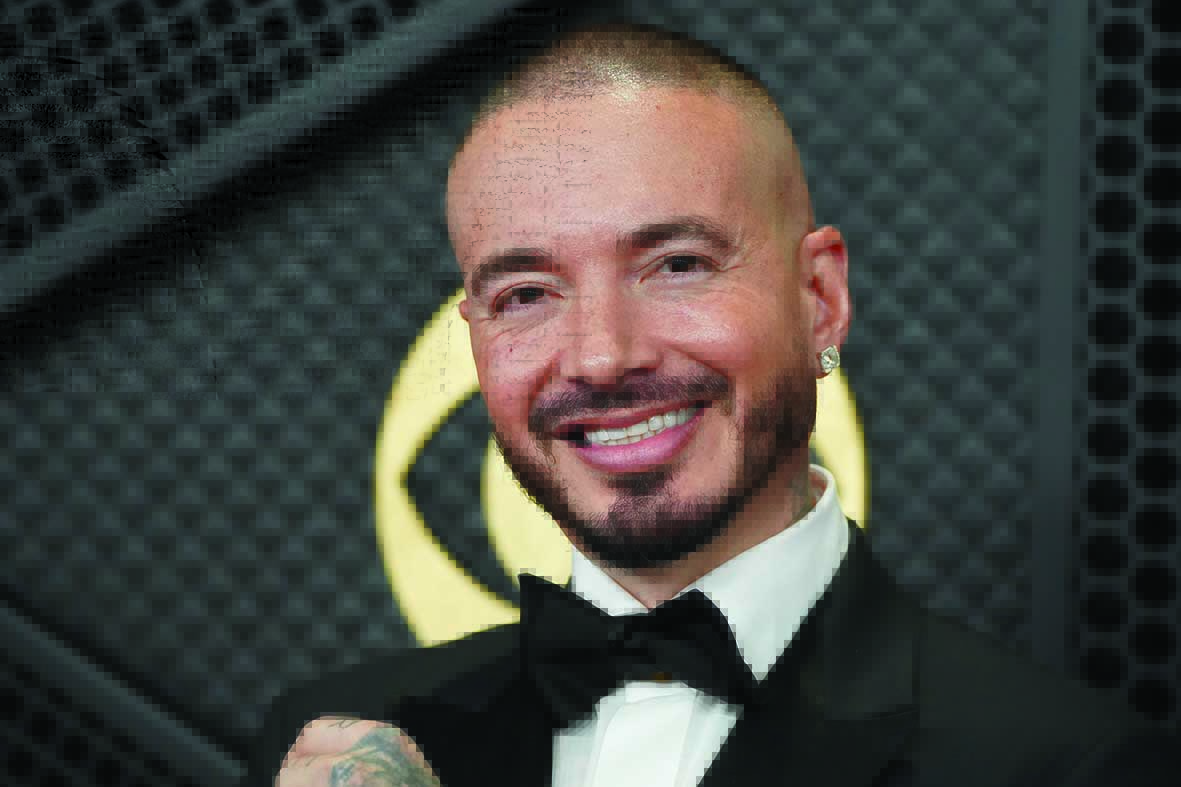
J Balvin
-
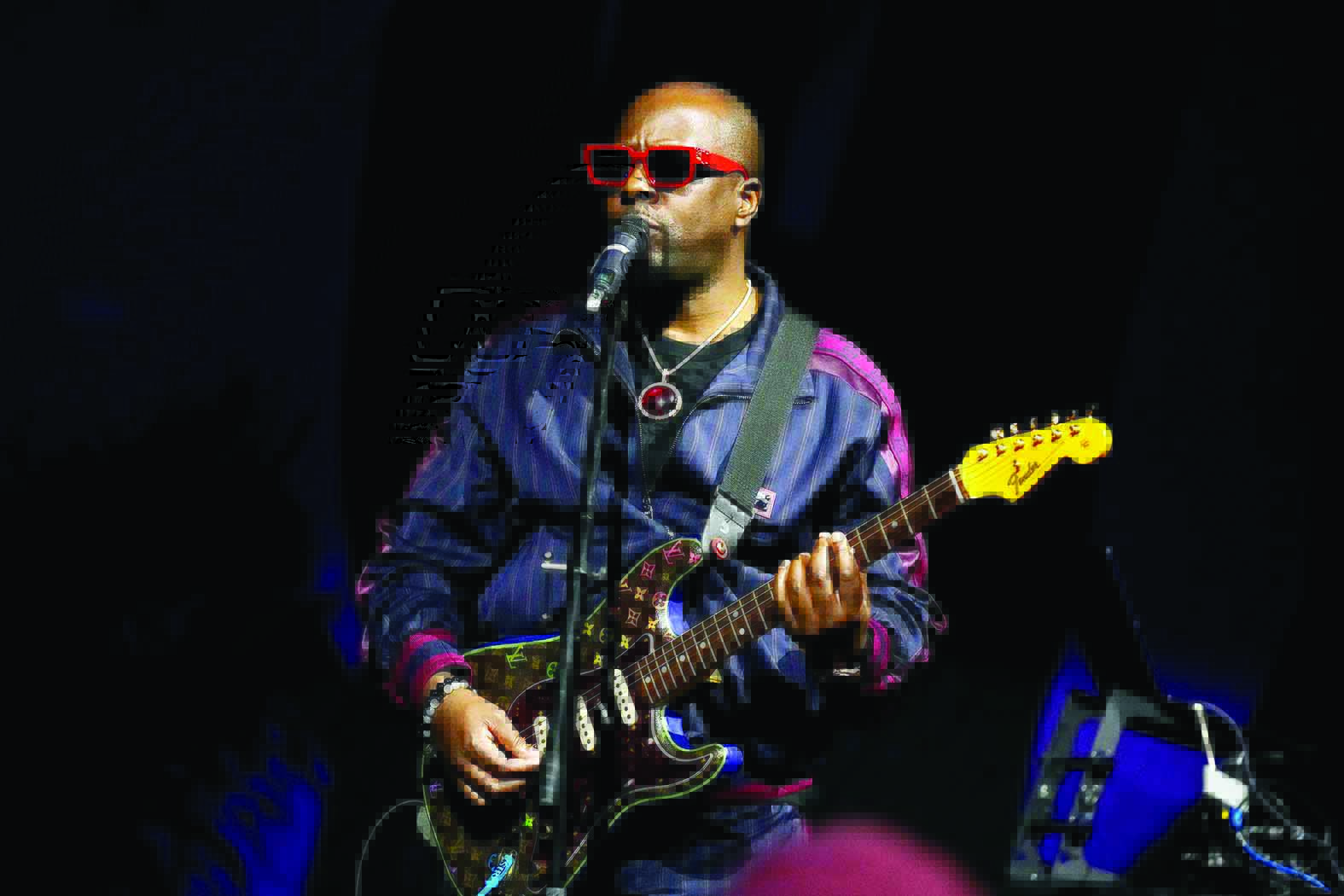
Singer and activist Wyclef Jean.
-
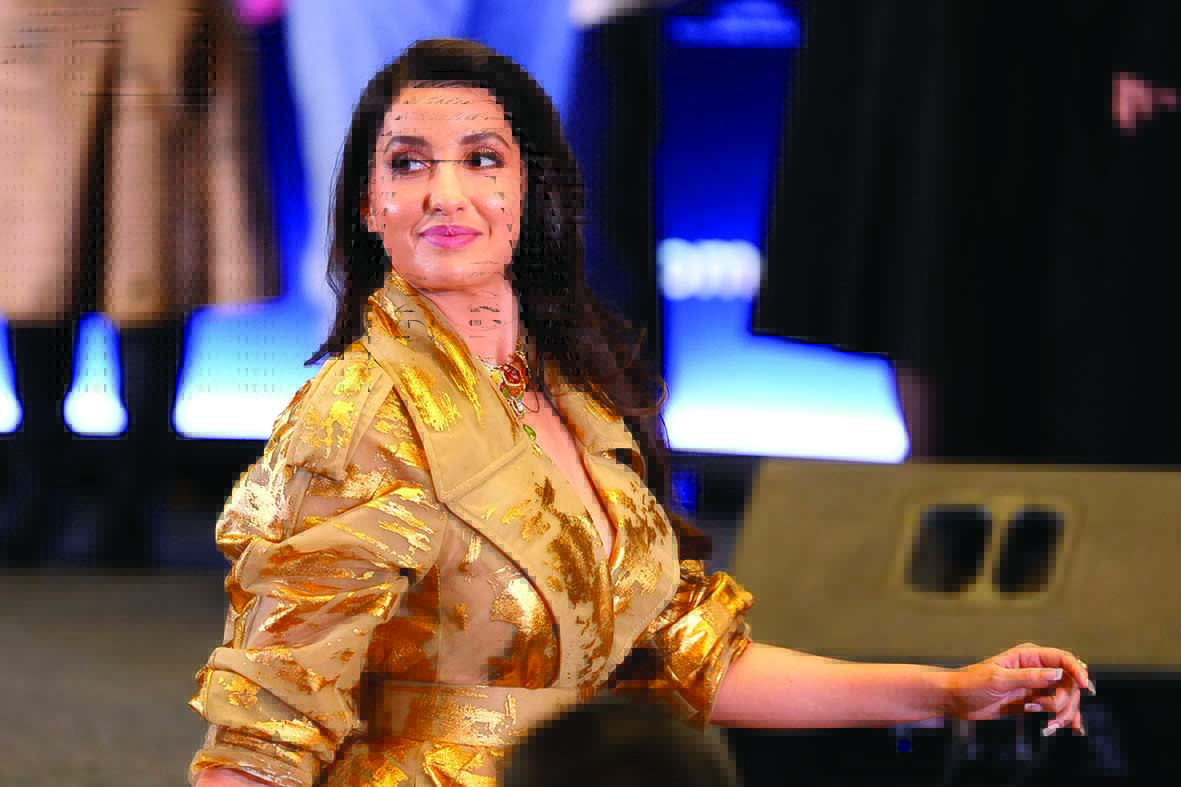
Bollywood actor Nora Fatehi.
-
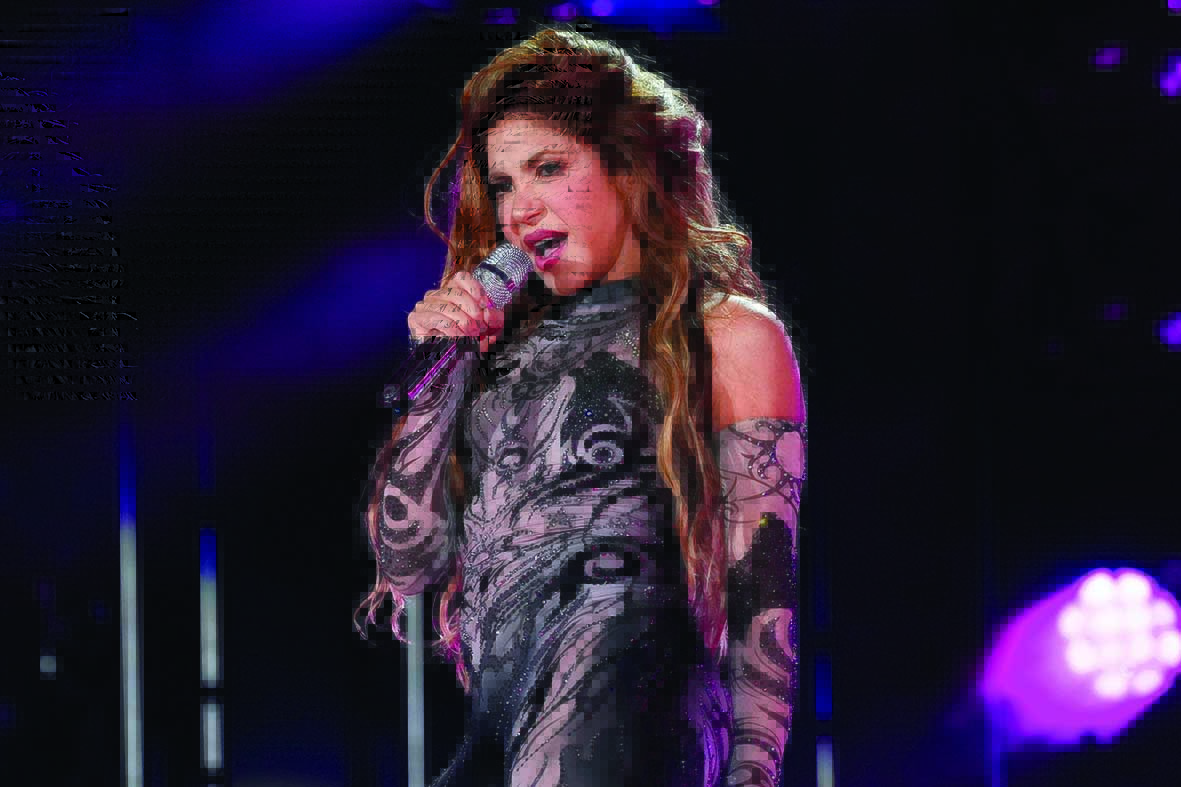
Shakira
-
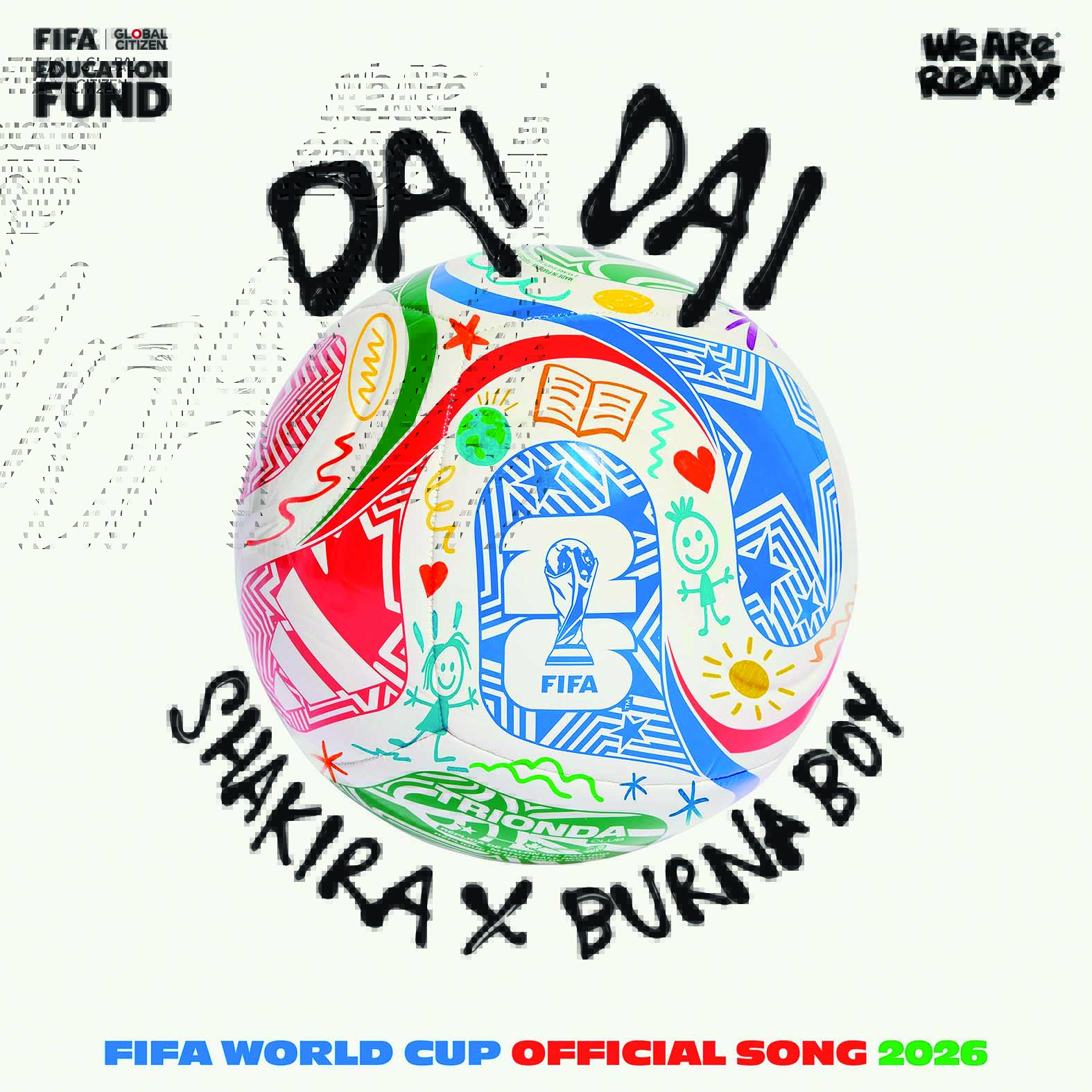
This image released by Sony Music Latin shows art for ‘Dai Dai’, the official 2026 FIFA World Cup anthem by Shakira and Burna Boy.
NEW YORK (AP):
What makes a memorable World Cup anthem? Is it a song that best reflects the host countries? Is it a global banger, incorporating multiple languages and genres? Or should it simply value a chant-along chorus above all?
There is an argument to make for each — or perhaps all. To get to the bottom of it ahead of the 2026 FIFA World Cup, The Associated Press asked a few of the performers behind World Cup songs past and present. It is a list that includes Shakira — who, alongside Afrobeats star Burna Boy, is responsible for the official 2026 FIFA World Cup anthem, Dai Dai — as well as Colombian singer J Balvin, Wyclef Jean, and newcomer Nora Fatehi.
SHAKIRA UNITES CULTURES
Before Dai Dai, the Colombian superstar co-wrote and performed Waka Waka (This Time for Africa) featuring Freshlyground, the official anthem of the 2010 FIFA World Cup held in South Africa.
“Fútbol is a thing that unites so many cultures and people of different walks of life,” she told the AP. “The big responsibility of making a World Cup song is that you’ve got to make a song that represents people’s feelings, emotions, and passion.”
“So you've got to write that song, in a way, understanding that it has to be global. It has to encompass so many cultures and represent so many in one tune,” Shakira continued. “That, in a way, has helped me craft those songs in the past.”
But beyond those conceptual ideas, Shakira has some specific sonic suggestions as well.
“I feel like a good World Cup song needs to definitely have rhythm. It has to be rhythmic. It has to make people want to dance. And it has to be an anthem as well. It has to make people want to sing along in unison, sing out loud at the top of their lungs. It also has that kind of energy,” she says. “That's a must.”
J BALVIN MAKES THE CASE FOR A HOOK
Colombian singer J Balvin is one-fourth of Coca-Cola’s official song for the FIFA World Cup 2026, a reimagination of Van Halen’s Jump that also features drummer Travis Barker, pop/R&B singer Amber Mark, and guitarist Steve Vai. He says any song — not just a World Cup anthem — must engage listeners right off the bat.
“Nowadays, with the music and every type of music — it doesn’t matter if it’s the World Cup, if it is a reggaeton or hip-hop (song) — you know, people’s attention (span) is only like five seconds. And that’s the reality. I’m not judging — you've just got to do it with all the love,” he says.
But a World Cup anthem specifically? That should match the intensity of a soccer game. “Fútbol brings us together, with all different highs and lows,” he says. “All these different emotions happen in one game.” The song should have the same energy.
NEWCOMER NORA FATEHI THINKS WORLD CUP ANTHEMS ARE FOR WINNERS
The Canadian Moroccan singer-songwriter Nora Fatehi is featured on the official 2026 FIFA World Cup album with Siir, Siir, a collaboration with French artiste Vegedream and Bangladeshi American DJ Sanjoy.
“It needs a great beat because we’re here to dance and we need to celebrate,” she says of a World Cup anthem.
But beyond that, Fatehi, who is best known for work in Bollywood films, says that when you hear it, “You feel like you’re winning, or you’re gonna win, or you won. That’s the emotion it needs to evoke.”
For Siir, Siir, she says, “What we were after was finding an emotion. So the minute you hear that song, it should make you feel like you’ve conquered the world. It should make you feel motivated. It should be aspirational. That’s what it should feel like.”
WYCLEF JEAN AIMS FOR UNITY
Wyclef Jean, the Fugees multihyphenate, co-wrote and performed Dar um Jeito (We Will Find a Way) for the 2014 FIFA World Cup held in Brazil, with guitar guru Santana, the late EDM icon Avicii, and Brazil's beloved singer-songwriter Alexandre Pires.
“The topline? It has to electrify the stadium,” Jean says. “You literally have to feel the entire stadium shaking.” If you don't, the anthem won't fly.
“I don’t know any World Cup song that [doesn’t] have amazing rhythm and amazing movement,” he says.
Though many nations are represented in the identity of his song's performers — Brazil, Sweden, Haiti, Mexico, and the US — Jean says he doesn't “think like necessarily you need to have five different artistes to make a global anthem”.
“Whether they come from the Middle East, Africa, Europe, America, any part of the world, the Caribbean, people gravitate towards culture,” he says. “And what I love best about the World Cup is that before it has a language, it has an energy and a vibe. It has absolutely nothing to do with a language.”
A good hook, a strong melody that anyone can sing along to — that's what's key.
But Dar um Jeito has a strong message of unity, adding to its anthemic quality. “Resilience is a very important word,” he says of the song's message. Jean says it was written for “boys and girls all over the world,” particularly those in rural areas.
The aim was a Bob Marley-style Get Up, Stand Up, “where the messaging in the song is not being preachy, but it’s a message of hope,” he says. “If you keep fighting the good fight, you’re gonna get to that stadium. And ain’t nobody gonna stop you.”
DADDY YANKEE, SHENSEEA WANT TO ECHO ACROSS NATIONS
Echo, a collaboration between Daddy Yankee and Shenseea, is co-produced and executive-produced by multi-GRAMMY Award-winner Tainy. It samples Ibrahim Maalouf’s Red & Black Light, with additional production from Maalouf, Massari, Adium, Jota Rosa, and Albert Hype. The track brings together dancehall and reggaeton and introduces a new dimension to the official FIFA World Cup 2026 album’s global sound.
Uniting Shenseea’s dynamic, genre-blending style with Daddy Yankee’s lasting impact on reggaeton, Echo brings together dancehall and reggaeton through a shared rhythmic foundation. The track captures the energy and movement of both genres, creating a sound that feels immediate and globally resonant while reflecting the cultural connection between the Caribbean and Latin music scenes.
“What a blessing to be able to unify the world through music and fútbol,” said Daddy Yankee in a FIFA release. “It’s an opportunity to bring people together beyond any language or border.”
“Music and [football] both speak a universal language,” added Shenseea. “And to be part of something that brings the world together like this is special.”
entertainment@gleanerjm.com