Jalil Dabdboub | Freedom’s just another word for nothing left to lose
Loading article...
-
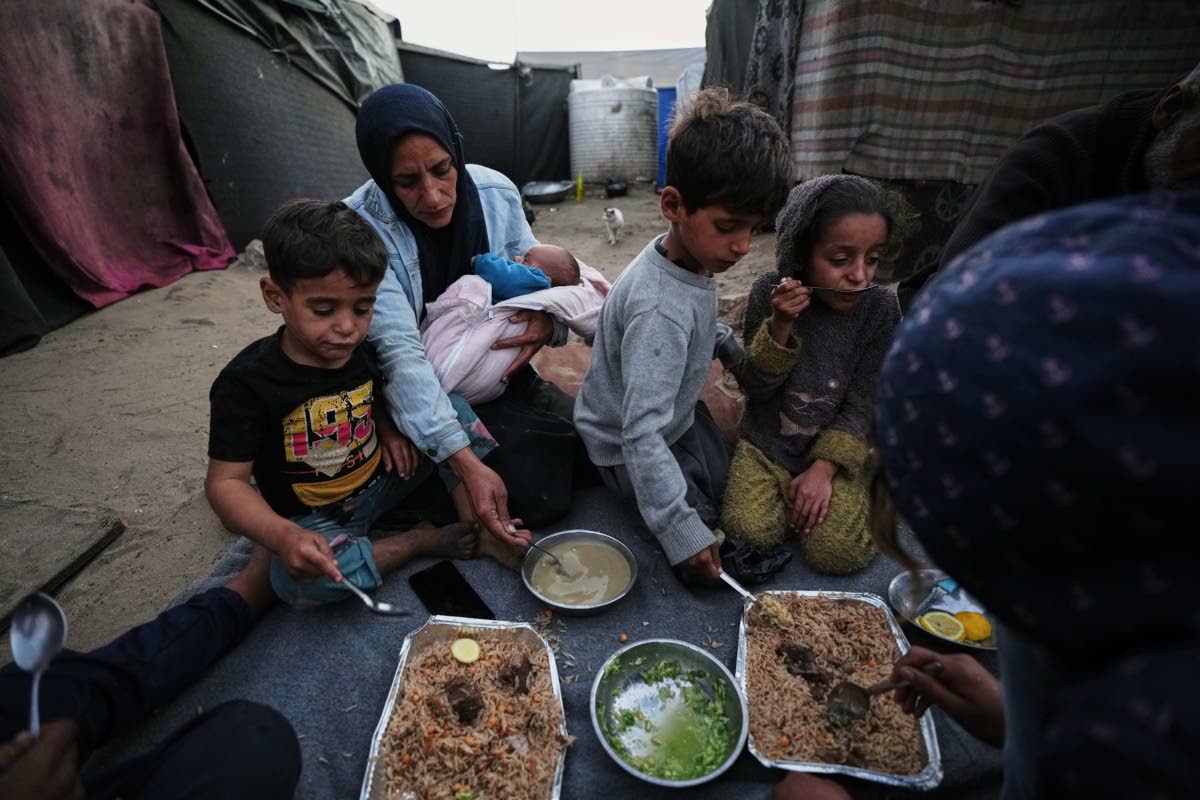 Displaced members of the Al-Zamli family break their fast on the first day of Ramadan inside their tent in Khan Younis, Gaza Strip, Wednesday, February 18. Photo - AP
-
Displaced members of the Al-Zamli family break their fast on the first day of Ramadan inside their tent in Khan Younis, Gaza Strip, Wednesday, February 18. Photo - AP
-
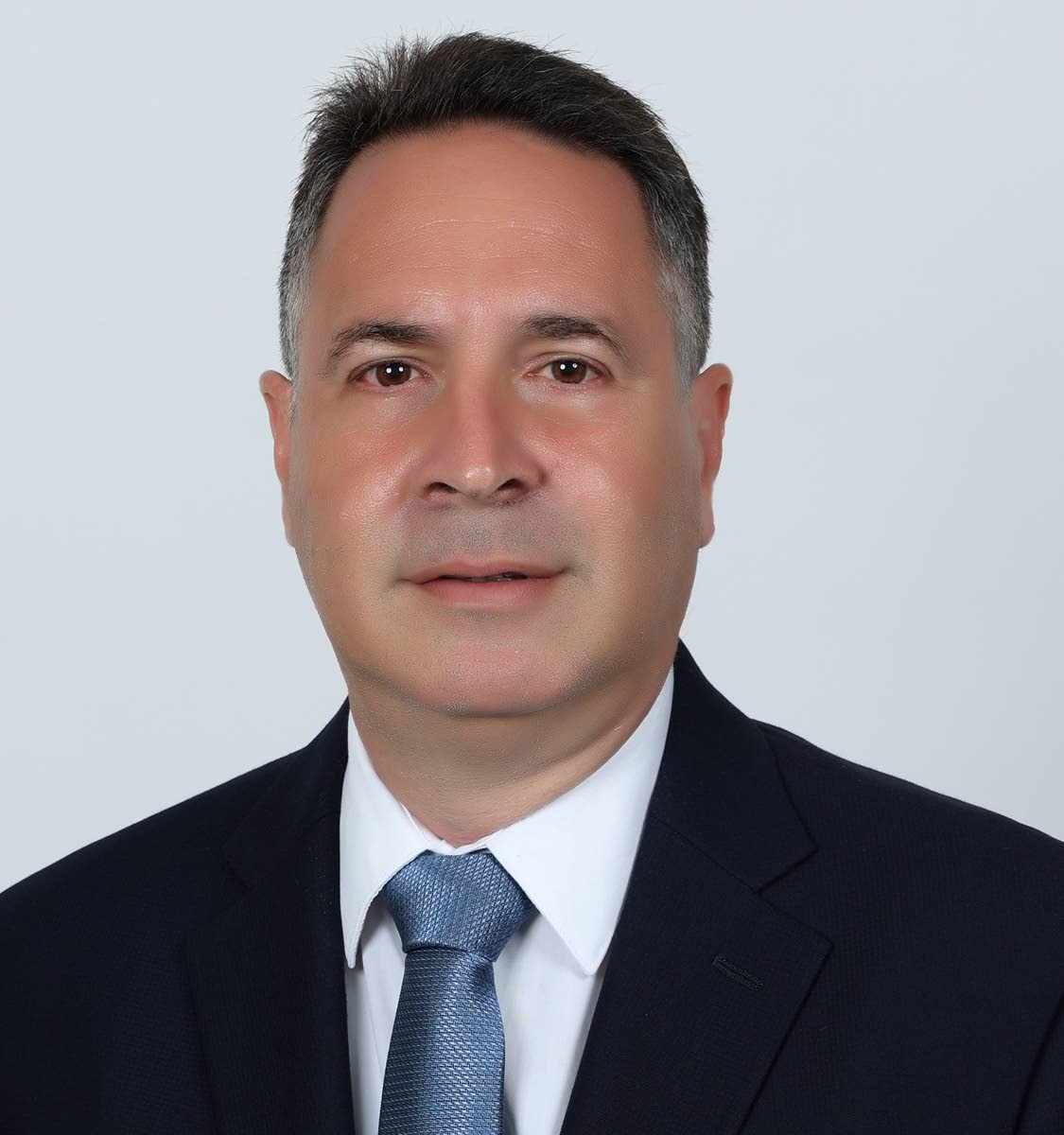 Jalil Dabdoub. Photo - Contributed
“Freedom’s just another word for nothing left to lose,” sang Kris Kristofferson. In conflict zones from Palestine to Sudan and the Congo, these words are a lived reality. When a people are systematically stripped of land, rights, and legal protection, freedom no longer signifies hope. It becomes the absence of fear.
In Palestine, major human rights groups, including Human Rights Watch and Amnesty International, have concluded that the system imposed by the Israeli entity over Palestinians is apartheid under the International Convention on the Suppression and Punishment of the Crime of Apartheid and the Rome Statute of the ICC. UN officials and scholars have also termed Israeli actions as “ethnic cleansing” in patterns of forced displacement.
In Sudan, civilians, particularly in Darfur, face documented allegations of war crimes and crimes against humanity, with investigations and indictments by the ICC. In the Democratic Republic of the Congo, armed groups have been accused of mass displacement and violence linked to mineral exploitation.
In these contexts, human-rights organisations say international law is often applied selectively due to geopolitical interests and institutional inaction.
The consequence of selective application of international law may no longer be confined to distant lands. In my commentary in January 2024 titled “Caribbean Court of Justice and Palestine: A changing perspective,” the systematic violation of international law abroad appears increasingly correlated with the erosion of democratic rights at home.
Democratic rights in some Western societies are increasingly being eroded, often justified on security or public-order grounds but with the effect of shielding foreign policy choices from public scrutiny. When states act with impunity internationally, pressures often emerge domestically to manage dissent, protest, and solidarity movements.
This erosion is already visible. Palestinian voices have been suppressed. Students and academics in the US, Canada, and Europe have faced disciplinary action, job loss, or public vilification for criticising state violence or imperial policy. Peaceful protests have been banned, speakers disinvited, and student groups dissolved.
ALARMING
Most alarming is the redefinition of political speech itself. Across multiple platforms and institutions, there is a growing tendency to place political ideologies, state projects, and abuses of power into the category of protected identity.
This trend was illustrated when Adam Presser, a senior executive at TikTok, suggested that calling someone a “Zionist” could constitute hate speech. While this is not yet a settled policy, it signals a dangerous direction of travel.
Criticism of Zionism as a political ideology, or of the policies of the Israeli entity, is not the same as hatred toward Jewish people, just as opposition to political Islam is not hatred of Muslims or criticism of Western imperialism hatred of Europeans. When ideology is conflated with identity, genuine political analysis is weakened. When criticisms of state power, alleged war crimes, or apartheid is termed hate speech, democratic rights contract rapidly.
Jamaicans should not think themselves immune. Particularly under the current administration, concerns have been raised about their regard for constitutional rights and Jamaica’s foreign policy increasingly aligned with powerful states rather than consistently articulated principles of international law.
Jamaica is now experiencing how external geopolitical pressure can constrain sovereign decision-making. The controversy over the Cuban medical cooperation programme shows how domestic policy choices can face scrutiny and pressure from powerful allies, narrowing small states’ room for independent decision making.
Similarly, the Caribbean has affirmed itself a “zone of peace” through bodies like CARICOM, but sustaining that principle requires consistent commitment to international law and sovereign equality. Selective application weakens a state’s moral authority to defend those norms abroad.
Jamaica’s voting patterns in international forums and its failure to take principled positions signal a narrowing of independent political space. When Jamaica aligns itself with global powers that disregard international law abroad, it accepts the erosion of legal and democratic norms as a governing principle.
STRUCTURAL DEPENDENCY
What is claimed to be diplomatic pragmatism (which is, in reality, Machiavellianism) can evolve into structural dependency. When foreign policy alignment attracts domestic criticism, the temptation grows to marginalise or delegitimise dissent rather than engage it. Constitutional democracy requires that freedoms of speech, assembly, and conscience. These are enshrined in Jamaica’s Charter of Fundamental Rights and Freedoms and must be protected precisely when they challenge government policy. If political criticism can be recast as dangerous, destabilising, or hateful without rigorous legal threshold, democratic rights begin to erode.
Jamaica boasts a proud tradition of political debate, protest, and resistance to colonial injustice. Our history, from labour uprisings to anti-apartheid solidarity, has been shaped by our conviction that freedom requires speaking truth and openly challenging political ideologies that perpetrate injustice.
If criticism of foreign states can be censored or criminalised elsewhere, it can happen here. If silence becomes the price of diplomatic favour, then democratic rights are already being negotiated away.
World leaders speak of peace while sustaining injustice. They invoke international law while selectively enforcing it, with Jamaica adopting this approach. A rules-based order cannot long endure if rules apply selectively.
A country that treats international law as optional cannot safeguard democracy at home. Freedom cannot exist where law entrenches inequality, where rights and accountability are selectively applied. True freedom is equality before the law.
Millions of people, across Palestine, Sudan, the Congo, and beyond now live in a freedom defined not by hope but by the fact that they have nothing left to lose. If Jamaica remains silent while human rights are eroded abroad or engages with states that breach international law and human rights, we may one day discover that we have nothing left to lose.
Freedom is not some distant ideal. It is a responsibility. It is the courage to defend law consistently, to preserve space for dissent, and to insist that justice applies equally, before there is nothing left to lose.
Jalil S. Dabdoub is an attorney-at-law. Send feedback to columns@gleanerjm.com.