Kishan Khoday and Stuart Davies | New calculus of development
Loading article...
-
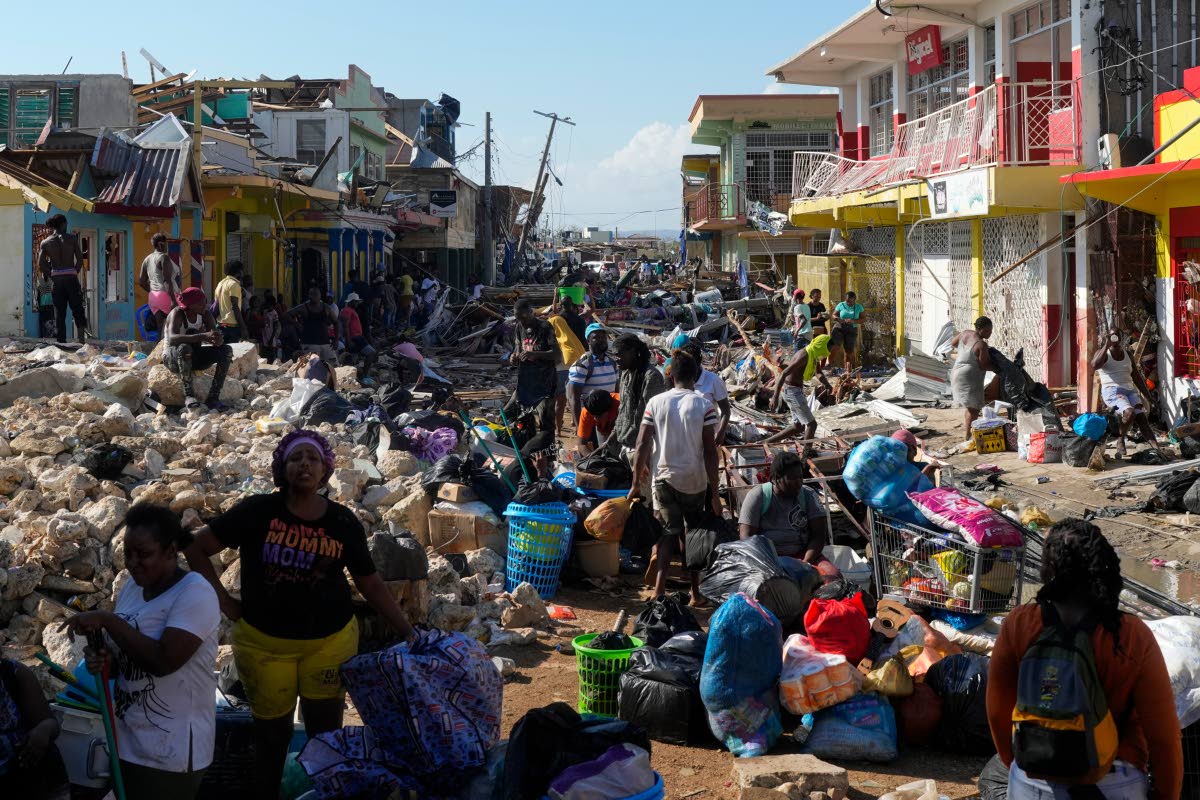 Residents gather amid debris in the aftermath of Hurricane Melissa on a street in Black River, Jamaica, on October 30, 2025. Photo - AP
-
Residents gather amid debris in the aftermath of Hurricane Melissa on a street in Black River, Jamaica, on October 30, 2025. Photo - AP
-
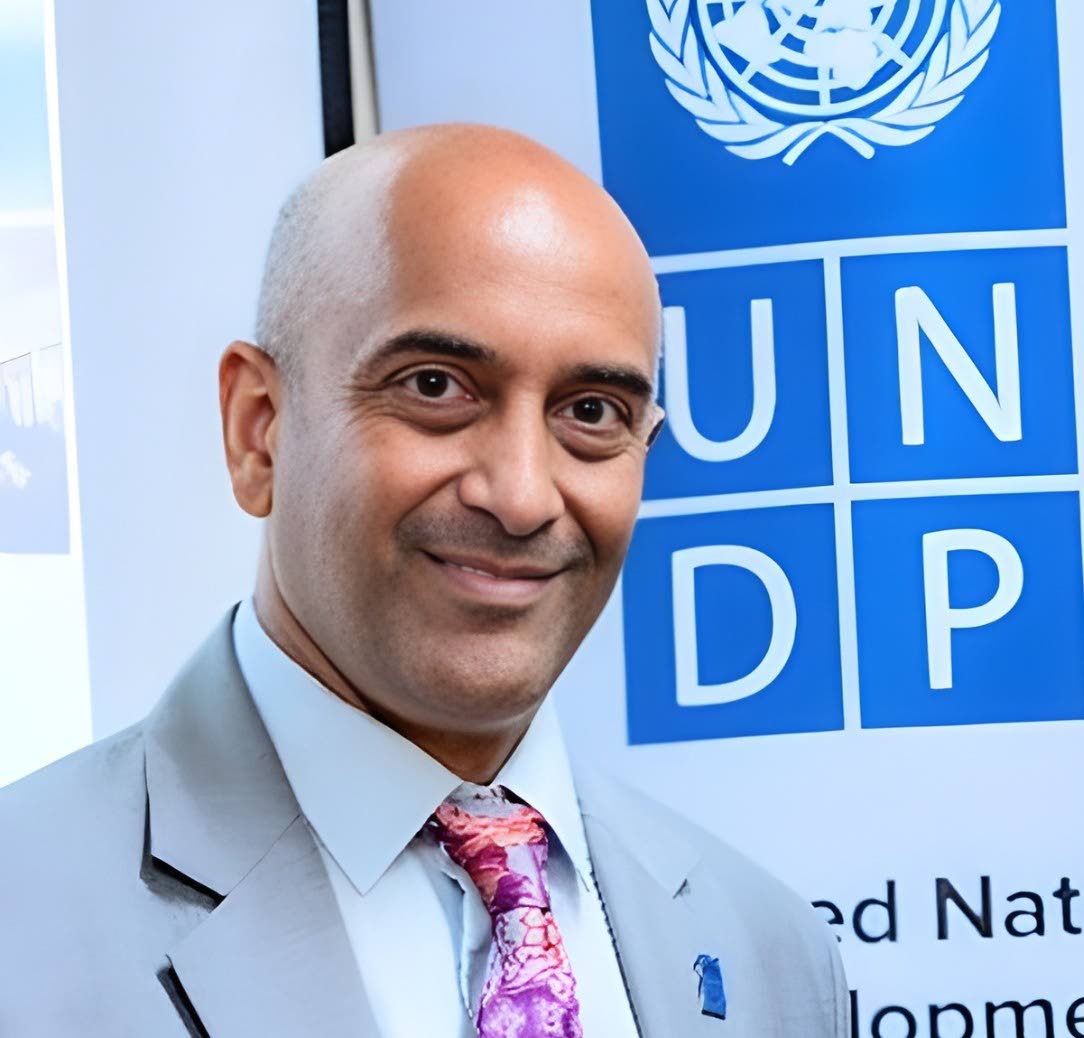 Kishan Khoday. Photo - Contributed
-
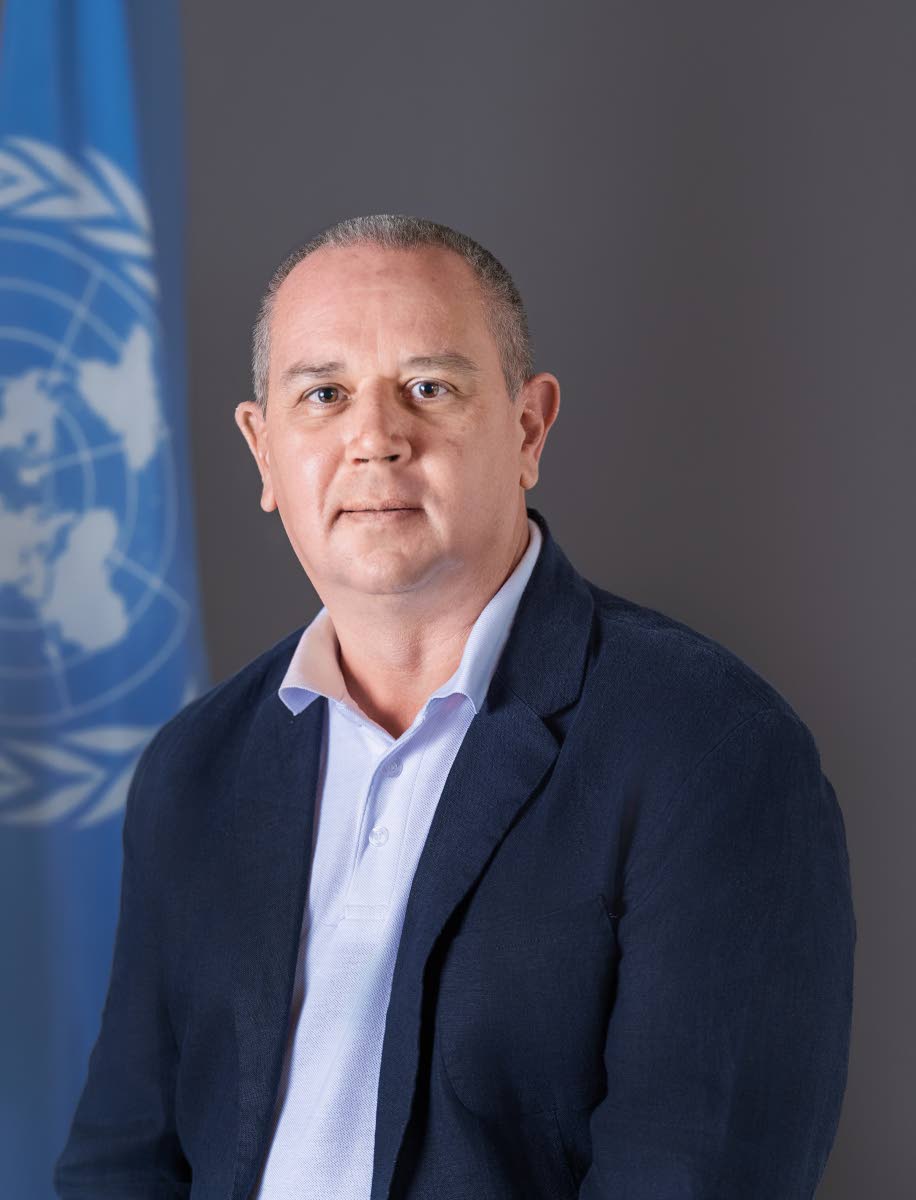 Stuart Davies. Photo - Contributed
The development landscape is undergoing significant upheaval. Changes in the global economy, debt and cost-of-living pressures, fragility in multilateralism, declining aid, the risks and opportunities from new technologies, and rapid ecological shifts all come together to reshape development prospects. These overlapping pressures challenge countries’ resilience and are most deeply felt through increasing social vulnerability, especially among those already at risk.
As this landscape shifts, development thinking and policy frameworks must also evolve. Multidimensional risks require integrated responses and better development metrics. These metrics are more than just technical tools. They shape how vulnerability is understood, how future inequalities are forecasted, and how policy priorities are set. Jamaica’s recent launch of its new National Multidimensional Poverty Index (MPI) illustrates this change. Moving beyond traditional income measures and headline GDP figures, the MPI focuses on people’s lived experiences by capturing overlapping hardships across four areas: living standards, employment, health, and education.
This is especially urgent given Jamaica’s current situation. As highlighted in UNDP’s recent Human Impact Assessment following Hurricane Melissa, multidimensional poverty has increased in affected communities after what is considered the most severe climate-related disaster in Jamaica’s recent history. Recent findings from the UN-supported Loss and Damage Assessment estimate damages of over US$12 billion, nearly 60 per cent of 2024 GDP. However, beyond these macro-level figures, the impacts on households and communities are equally serious. Many communities already facing multidimensional poverty are now experiencing additional declines in living standards, employment, health, and education.
GUIDES FOR RECOVERY
That is why multidimensional metrics like the MPI should be seen not only as tools for measuring deprivation but also as guides for recovery and rebuilding. If the goal is to rebuild better and achieve a resilient recovery — especially for vulnerable communities — policy must be based on a deeper understanding of how crises affect people’s lives. Two priorities stand out.
First, alongside the focus on living standards, employment, health, and education, recovery planning in Jamaica and other Small Island Developing States (SIDS) must prioritise climate resilience. The 2025 global Multidimensional Poverty Index report by the UNDP and the Oxford Poverty and Human Development Initiative shows how climate vulnerability is increasingly linked to the persistence, and sometimes worsening, of multidimensional poverty. Of those living in multidimensional poverty worldwide, 80 per cent are directly exposed to climate hazards, and the most disadvantaged communities will often be the ones facing the greatest climate stresses in the coming decades.
This is very relevant for Jamaica. The combined effects of Hurricanes Beryl and Melissa on vulnerable communities have shown how closely multidimensional poverty and climate risk now connect. Communities already affected by poor housing, unstable jobs, limited access to services, or weak social protections are often the same groups most exposed to disaster shocks. Increasingly, those living in multidimensional poverty are also on the front lines of the climate crisis.
Reshaping development policy and recovery metrics should explicitly include climate change as a key factor driving multidimensional poverty. This can entail factoring in climate dimensions into the existing pillars of the national MPI, measuring, for example, the levels of climate resilience within housing, water and energy systems within agriculture, tourism, or other sources of employment, and within systems meant to ensure access to health and education services. It should also entail combining climate hazard data with MPI data and using spatial planning tools such as those promoted through the Jamaica Resilient Recovery Initiative by the UNDP and national partners. These approaches can help identify areas where climate risk and multidimensional poverty overlap most critically, guiding recovery investments for maximum effect. They also support more climate-resilient housing reconstruction, improved community infrastructure, better livelihoods and employment, and the protection of health and education systems in communities impacted by both poverty and climate threats.
POSITIVE STEP
Second, the pillars on living standards and employment in Jamaica’s new national MPI are an important and positive step. For SIDS like Jamaica, this focus is especially vital because it shows how GDP alone cannot tell the full story, with economic performance, resilience, and household well-being closely linked. A rebound in GDP after a disaster may reflect reconstruction efforts and increased spending, but it can still overlook the ongoing insecurity faced by households in the hardest-hit communities. The living standards pillar under the current national MPI measures trends such as electricity access, cooking fuel, overcrowding, and waste-collection services while the employment pillar touches on unemployment levels, contributions to national social insurance schemes, and participation in youth empowerment initiatives. Tracking these and similar indicators will be key for recovery and rebuilding in crisis-affected parts of Jamaica.
The importance of these issues is also reinforced by a new United Nations working paper on moving beyond GDP. In it, the authors advance ideas for a Multidimensional Living Standards Index (MLSI), with a focus on entrepreneurial opportunities, disposable income, access to and affordability of essentials, economic and social security, and environmental conditions. Some of these aspects would be beneficial for enhancing the living standards and employment pillars of Jamaica’s national MPI into the future. For example, the living standards metrics could be expanded beyond measuring access to services to also include affordability pressures, such as the share of income spent on housing, utilities, food, transport, and other essentials, as well as measures of household security, such as exposure to shocks, access to social protection, and vulnerability to sudden income loss, particularly after disasters. These are vital for resilience so that recovery can be measured not just by output growth but by whether households are experiencing safer, more affordable, and more secure lives.
A new approach to development is emerging. In an era where multidimensional crises occur more frequently, development policies and metrics must evolve to stay effective. For Jamaica, adopting a more comprehensive way to measure development isn’t a luxury. It is essential for recovery and rebuilding, for better outcomes in the poorest communities, for safeguarding hard-won development progress, and for reducing future risks on the path towards prosperity through 2030.
Jamaica, like many small island developing states, faces intense and overlapping vulnerabilities. As attention shifts towards the post-2030 agenda, our understanding of poverty, resilience, and vulnerability must continue to grow. Global risks should not be viewed solely as threats. They should also be seen as opportunities to improve measures, policies, and ultimately, lives.
Further reading: Global MultiDimensional Poverty Index 2025: Overlapping Hardships – Poverty and Climate Hazards, UNDP and OPHI.
Dr Kishan Khoday is the resident representative for the United Nations Development Programme Multi-Country Office in Jamaica. Dr Stuart Davies is the senior economist at the UN Resident Coordinator’s Office in Jamaica. Send feedback to gillian.scott@undp.org and jamaica.rco@un.org.