Christian Tavares-Finson | Confronting crime, police-citizen interactions and due process
Loading article...
-
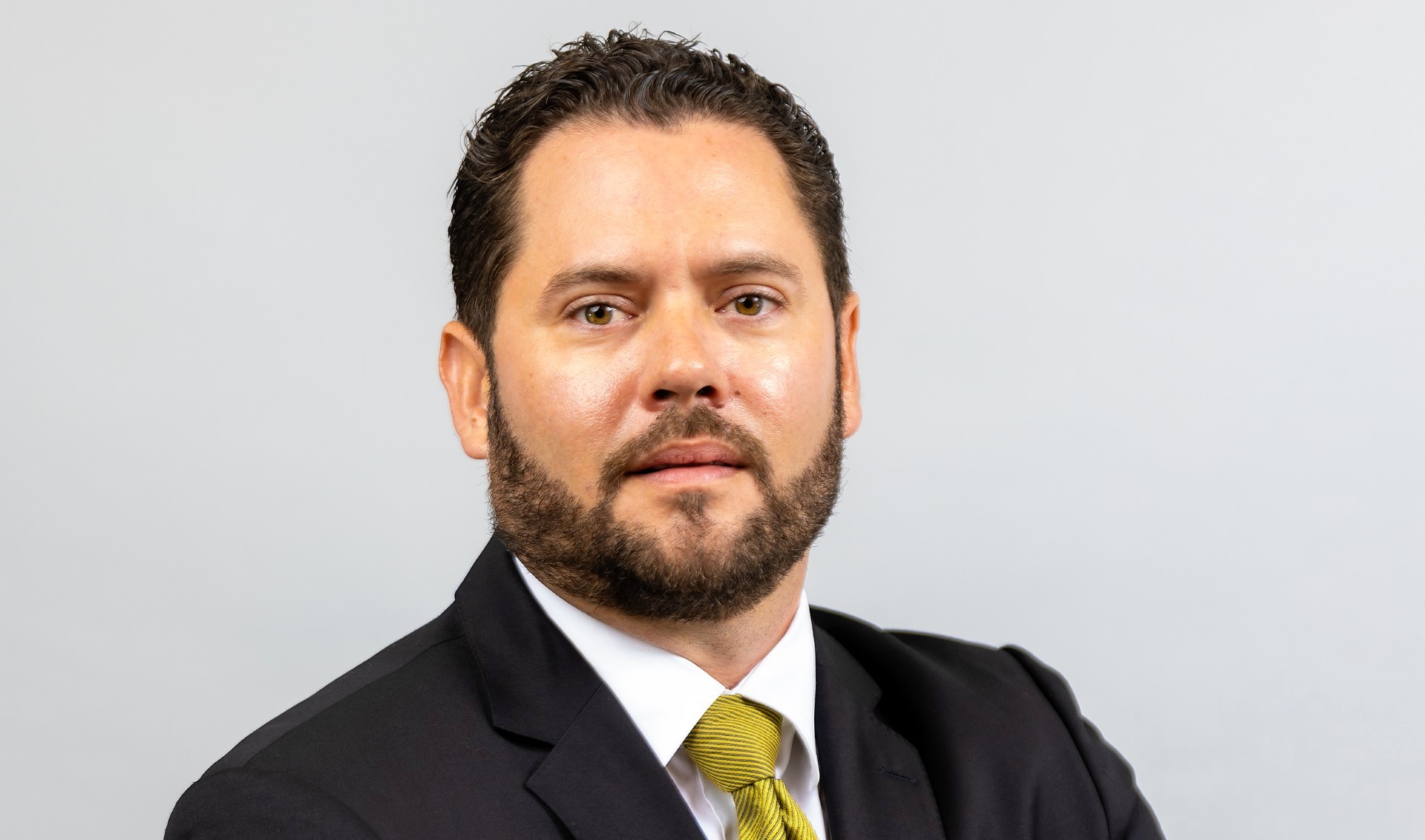
Christian Tavares-Finson
-
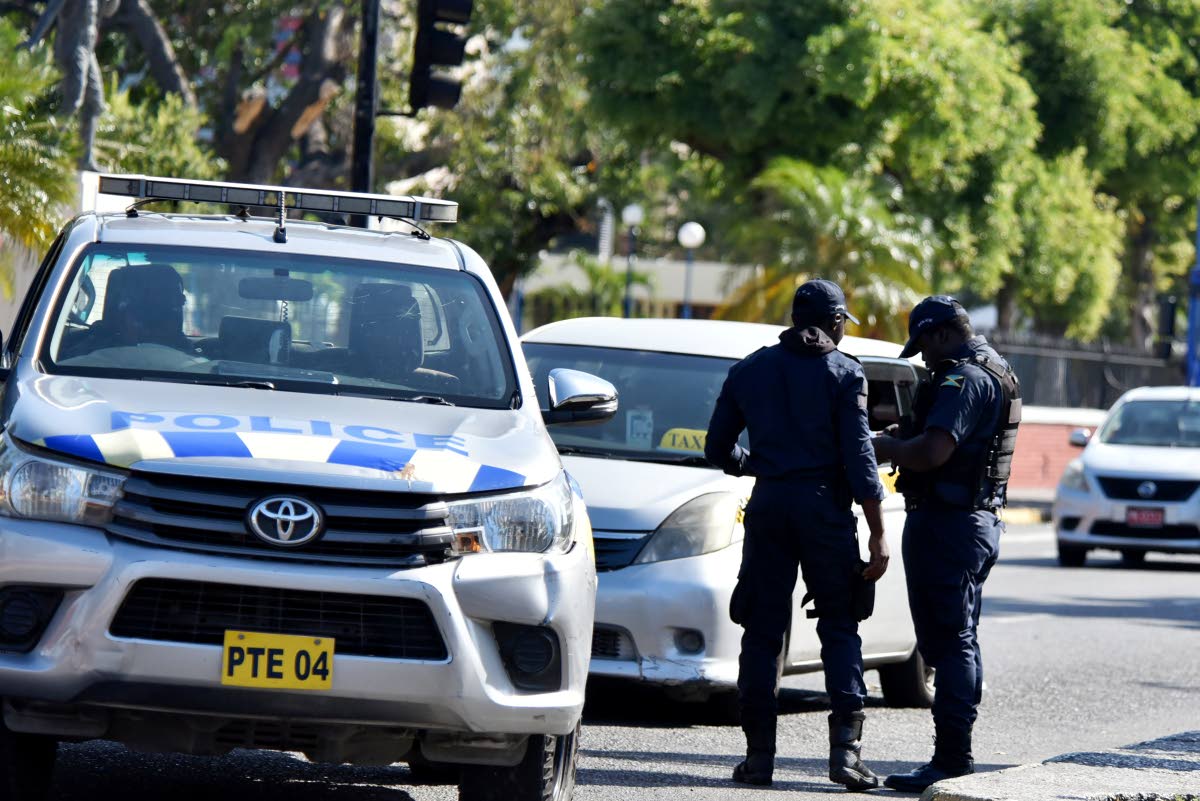
In this file photo JCF personnel are seen verifying documents at a spot check.
Jamaica is at a defining moment in its fight against crime.Across this country, there are questions in the minds of many. What if it’s me? What if it’s my family. Will I be safe? Will I be mistaken for a criminal? Will I be judged in a moment that I cannot control? hese are genuine fears and concerns felt by many. They deserve to be acknowledged, and more importantly, they deserve clear answers.
Every life has value, and every citizen deserves protection under the law. No one should live in fear of being wrongly targeted. At the same time, we must be honest about what our officers face every day. Many of those involved in serious criminal activity are armed, organised, and prepared to resist arrest. That reality shapes operations and the decisions officers must make in the field.
This is why the approach to policing must be firm, precise, and intelligence driven. However, the police must also be accountable in their operations, and where they fail, they, too, will be brought to justice. No officer is above the law. Authority carries responsibility, and any officer who abuses that authority will face the full consequences of the law.
There are concerns. Cameras can strengthen accountability during police operations, and this Government has made unprecedented investments in modern technology to improve public safety and citizen security. That is why we continue to incrementally roll out body-worn cameras and invest in technologies that strengthen border security, protect citizens, and support our officers. But we must not lose sight of the nature of the criminal threat to life and public order.
Criminals adapt, they conceal, and they act with intent. Some also seek to influence public narratives through social media in ways that can distort public understanding of crime and enforcement. Policing must remain proactive and responsive while maintaining public trust and safeguarding lawabiding and innocent citizens.
WHY ARE CONFRONTATIONS INCREASING?
Citizens are witnessing, for the first time in modern history, a sustained decline in murders and violent offences. This is progress that we must protect. But alongside this progress, there has also been an increase in police interactions and confrontations arising from law-enforcement activity.
These encounters are, in part, the result of the police strengthening intelligence capabilities, improving operations, and directly targeting criminal networks. When pressure is applied, criminals respond. They become more defensive. They resist arrest. At the same time, we acknowledge that not every encounter unfolds perfectly, and where officers fall short of the required standard, they will be held accountable. I also ask law-abiding Jamaicans not to stand in defence of criminality.
This is an important point for everyone to understand. As policing becomes more precise and proactive, officers will inevitably come into closer contact with individuals who are armed and dangerous. These encounters are not the cause of our crime problem. They are, in many cases, a consequence of confronting it.
The message must be clear. To those involved in criminal activity: do not engage the police. Turn yourselves in. Any attempt to confront law enforcement will be met with a decisive and lawful response. It is the duty of the State to protect life, uphold the law, and ensure that every Jamaican can live without fear. And the evidence shows that this approach is saving lives.
THE EVIDENCE
Police related fatal incidents account for a much smaller share of lethal violence than criminal homicides. For every one police related killing, there are between nine and 16 murders committed by criminal actors, showing that the primary driver of violence remains criminal activity.
Further, most police related fatal incidents involve firearms. In 2024, 158 of 189 incidents (83.6 percent) involved the recovery of a gun. In 2025, 273 of 311 incidents (87.8 percent) involved firearms. These figures suggest that most confrontations occur in armed and dangerous circumstances and reflect the risks officers face daily.
Violence in Jamaica is driven primarily by criminal disputes, including reprisals, territorial conflicts, interpersonal feuds, contract killings, and organised criminal activity. This distinction matters because it keeps public debate grounded in fact and focused on the real sources of violence.
At the same time, sustained security investments are delivering results. In 2025, Jamaica recorded 674 murders, the first time in more than three decades the figure fell below 700. Progress continued into 2026, with murders declining by 29 per cent in the first quarter and recent quarters recording historic lows of 153 and 134 murders.
These gains translate into lives saved. Between 2017 and 2025, nearly 3,000 people were spared, an average of 374 lives annually, reflecting coordinated action by law enforcement, communities, and international partners.
ACCOUNTABILITY AND DUE PROCESS
But success does not remove the need for accountability. Jamaica is a democracy governed by the rule of law. Independent oversight bodies, including the Independent Commission of Investigations, the Office of the Public Defender, and the Financial Investigations Division, exist to ensure that all allegations are properly investigated.
The evidence shows that these systems are active. Between 2011 and 2023, one thousand nine hundred and thirty-sixfatal police shootings were investigated, with 66 resulting in criminal prosecutions. Since 2024, eleven officers have been charged, most involving off-duty incidents. These figures highlight the importance of due process and evidence-based conclusions.
Pulic narratives must be responsible. Unverified claims can endanger officers and their families and erode trust. Accountability must be firm, but it must also be fair. The path forward requires balance. Strong, targeted policing must continue alongside strict adherence to justice and transparency. The rule of law must apply equally to all - criminal and officer alike. The evidence is clear. Protecting life demands both strength and accountability. The way forward requires clarity, courage, and an unwavering commitment to every life.
To those engaged in criminal activity, the message is clear: turn yourself in, do not confront the police, and understand that the consequences are swift and certain. To every law-abiding person, the commitment is equally clear: your safety is the purpose of every operation, your trust is what gives this work its legitimacy.
Christian Tavares-Finson is a government senator and an attorney-at-law.