Floyd Morris | NHF double subsidy: A lifeline of dignity for persons with disabilities
Loading article...
-
 Photo - Pexels
-
Photo - Pexels
-
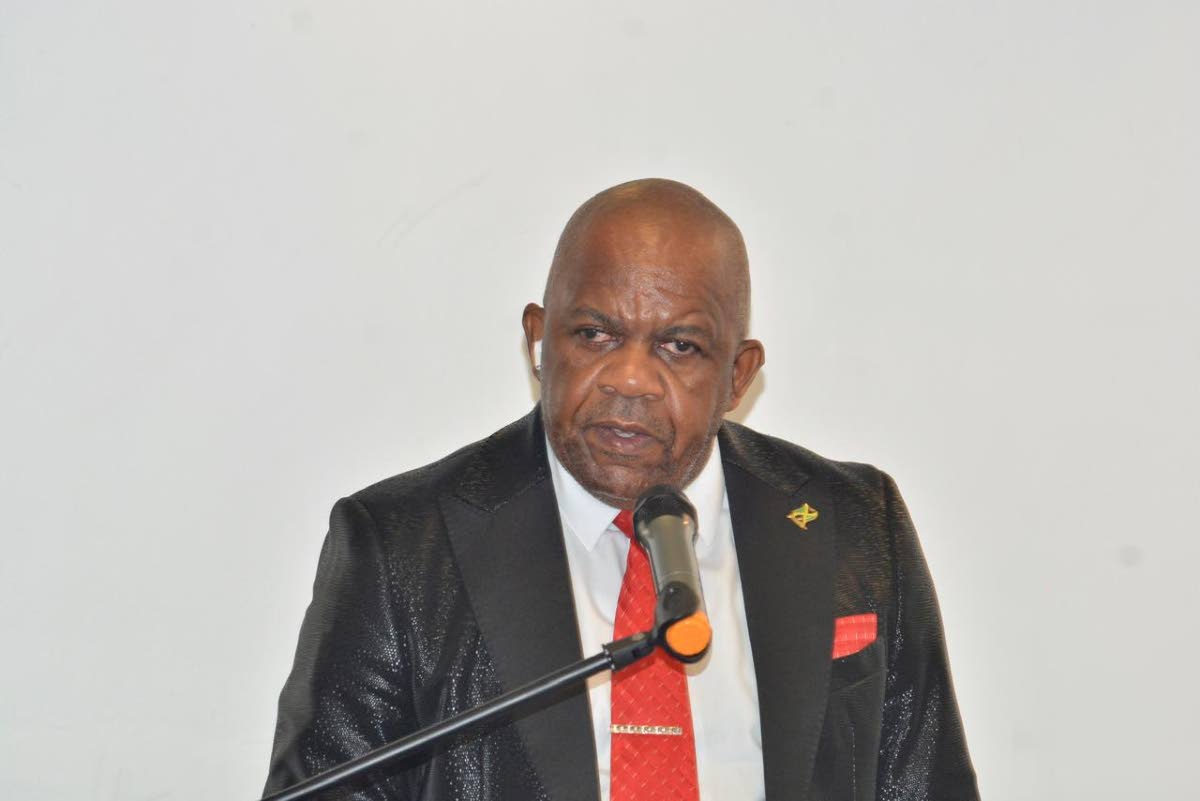 Senator Floyd Morris. Photo - Albert Ferguson
I write not just as Director of the UWI Centre for Disability Studies, but as a Jamaican with a disability who has lived the reality of navigating life, education and healthcare in a society that is still learning to be fully inclusive. I wish to publicly commend the Minister of Health and Wellness, Dr the Hon Christopher Tufton, and the National Health Fund (NHF) Board, management and staff for the weighty decision to introduce a double subsidy for persons living with disabilities.
Effective September 30, and officially launched on October 15 at the NHF Head Office in New Kingston, Jamaicans with disabilities who are registered with the Jamaica Council for Persons with Disabilities (JCPD) and who hold an NHF Card will now benefit from twice the standard NHF subsidy on eligible medication, medical supplies and diagnostic claims, with coverage of up to 95 per cent of the submitted cost. This is not a small administrative adjustment. It is a profound act of social justice. It represents a projected annual investment of $50 million and has the potential to transform the lives of the approximately 20,000 Jamaicans currently registered with the JCPD who meet the eligibility criteria, and many more who will now be encouraged to register. To understand why this matters, we must understand the lived reality of persons with disabilities in Jamaica.
ARCHITECTURE OF MARGINALISATION
Persons with disabilities remain one of the most marginalised groups in our society. This marginalisation is not accidental. It is built on four interlocking pillars.
First, low levels of access to education. Despite the Disabilities Act of 2014, too many of our children with disabilities still face inaccessible schools, a lack of Braille, sign language interpreters and assistive technology. Many drop out early. As a result, they enter adulthood without the qualifications needed to compete with those without disabilities.
Second, high unemployment. Globally, over 80 per cent of persons with disabilities are unemployed or underemployed. Jamaica mirrors this reality, with data showing over 91 per cent of persons with disabilities are unemployed. When you have limited education and workplaces that are not physically accessible or attitudinally ready, you are locked out of economic life. The problem is further compounded by ableist beliefs that view persons with disabilities as defective labour.
Third, negative societal attitudes. Stigma, pity and low expectations remain pervasive. Persons with disabilities are often seen as recipients of charity rather than citizens with rights. Such attitudes lead to exclusion from family decisions, community life and national development.
Fourth, and most devastating, is poor health outcomes. This is where the NHF intervention becomes critical. Most disabling conditions have their genesis in a medical condition. Therefore, a considerable number of persons with disabilities in Jamaica are dependent on the healthcare system.
WHY HEALTHCARE IS THE FOUNDATION
For persons with disabilities, healthcare is not a luxury. It is the very foundation for survival, independence and participation.
A disability does not exist in a vacuum. A person with a spinal cord injury is more prone to urinary tract infections and pressure sores. A person who is blind, like me, is more prone to diabetes-related complications. A person with an intellectual disability may have difficulty communicating symptoms early. Persons with disabilities often have both their primary impairment and secondary chronic conditions, including hypertension, diabetes, asthma and heart disease, that require consistent, lifelong medication.
Yet this is the group least able to afford that medication. When you are unemployed or earning a low income, when you must already pay for transportation that costs two or three times more because you need an accessible taxi, when you must pay for a personal assistant or caregiver, the cost of $5,000 or $10,000 per month for medication becomes an impossible choice: Do I buy food or do I buy my pressure tablets?
Too many of our people have had to make that choice, and the result is preventable complications, unnecessary hospitalisations, loss of independence and premature death.
WHAT THE DOUBLE SUBSIDY CHANGES
Health Minister Christopher Tufton said at the launch: “We have to ensure that policies are all-inclusive and equitable. In health, we subscribe to universal access to good healthcare. In other words, nobody should be left behind on account of race, class, colour, creed or abilities.”
He is correct. And the NHF has lived this mandate.
As he himself noted, the NHF Card has become the most valuable wallet feature for hundreds of thousands of Jamaicans. For persons with disabilities, it now becomes even more valuable. Moving from 50 per cent coverage to up to 95 per cent coverage on chronic disease medication, medical supplies like catheters and diagnostic tests means a person who was paying $8,000 out of pocket may now pay $500.
That $7,500 saved is not just money. It is schoolbooks for a child. It is the ability to take an accessible taxi to a job interview. It is dignity. It is the ability to adhere to treatment consistently, stay healthy and contribute to nation-building.
I must also commend the NHF CEO, Mr Everton Anderson, for making this a reality. Most importantly, I must commend the Patterson administration of the mid-2000s for conceptualising the NHF. I will never forget sitting at the table as Minister of State in the Ministry of Labour and Social Security, with Ministers Horace Dalley, John Junor and the technocrat Ray Barrett, working through the details of this game-changing institution that has made this double subsidy possible today.
WORK THAT REMAINS
This double subsidy is a major step, but it must be seen as part of a broader journey towards universal health coverage for persons with disabilities. We must now ensure that every eligible person is registered with the JCPD. I encourage all persons with disabilities who are not yet registered to visit the JCPD and do so. This benefit can only help you if you are in the system.
Most importantly, we must address the social determinants of health. Good health for persons with disabilities will not come from medication alone. It will come from inclusive education that gives us a job, accessible workplaces that give us income, and a society that sees our abilities before our disabilities.
For too long, persons with disabilities have been asked to be resilient in the face of systems that exclude us. Today, the Ministry of Health and the NHF have chosen to make the system a little less exclusive and a little more equitable.
On behalf of the disability community in Jamaica and the UWI Centre for Disability Studies, I say thank you. This is how you build an inclusive Jamaica where no one is left behind.
Professor Floyd Morris is the director of the UWI Centre for Disability Studies and a senator. Send feedback to columns@gleanerjm.com