Health | Breaking the silence on fibroids
Loading article...
-
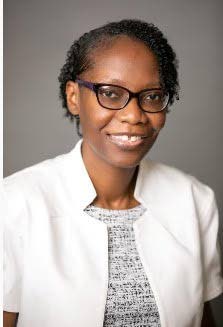 Guthrie. Photo - Contributed
-
Guthrie. Photo - Contributed
-
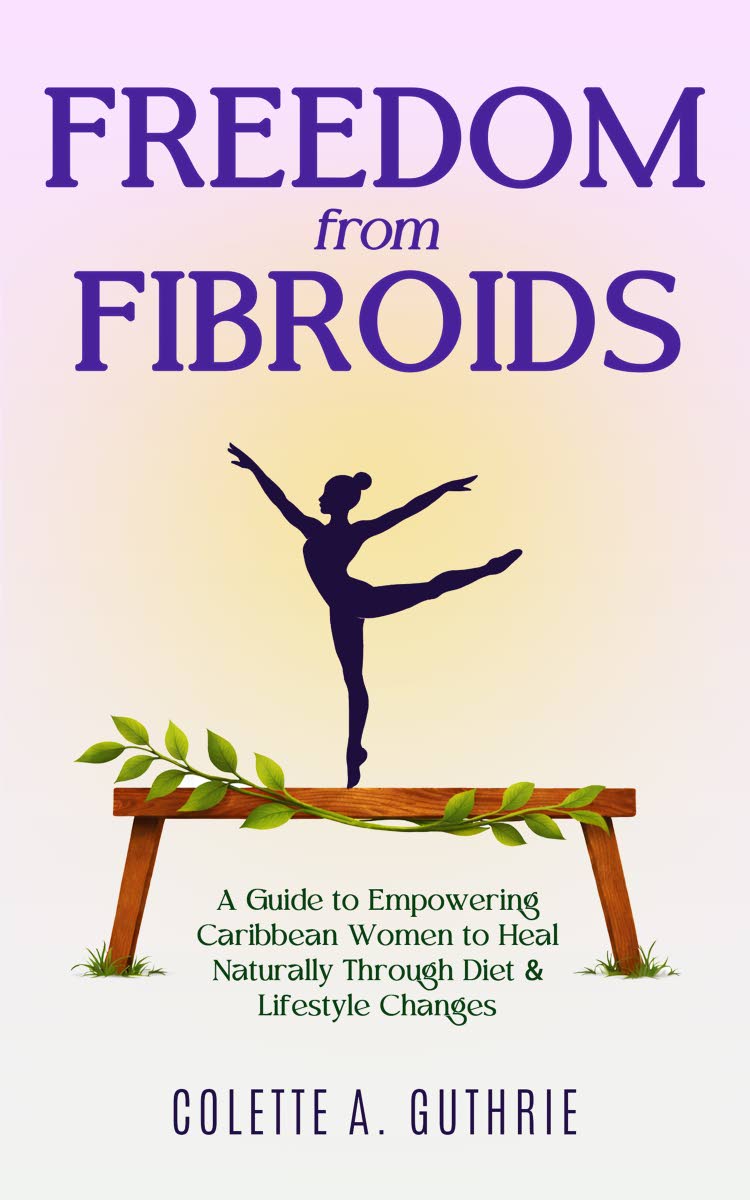 Photo - Contributed
Colette Guthrie received her first fibroid diagnosis more than a decade ago, but she did little about it. Ten years later, a second diagnosis forced her to confront what she had previously ignored.
This time, she could no longer turn a blind eye to what was happening to her body. The experience sent Guthrie on a journey of discovery that eventually led her to write Freedom from Fibroids, a book aimed at helping women, particularly Caribbean women, better understand the condition and make more informed decisions about their health.
“I wanted to share what I learnt with women in a similar position, who are confused and want clarity about what’s happening to them, and what they can do about it,” she said.
Guthrie believes greater awareness is particularly important among Caribbean women, who she says are among those more likely to be diagnosed with fibroids. Awareness, she said, is not simply about knowing what fibroids are. It is about recognising when something is not right and being willing to investigate it.
“Awareness means women are more likely to recognizs fibroid symptoms and address them earlier,” she said.
Guthrie’s own experience has shaped her belief that women should pay closer attention to changes in their bodies, particularly when symptoms begin affecting their quality of life.
She encourages women of reproductive age to maintain regular health check-ups and to seek a medical evaluation when they experience symptoms such as heavy menstrual bleeding, periods lasting more than a week, painful periods, anaemia or excessive fatigue.
“Pressure from fibroids can also result in symptoms such as pelvic pressure, frequent urination, and back pain, she said. Guthrie stresses that these symptoms should not simply be accepted as an inevitable part of being a woman.
“Knowing what is happening with your body is important because symptoms are raw data that should be assessed to determine the best way forward for each woman,” she said. That assessment, she believes, should involve qualified healthcare professionals.
While Guthrie’s book explores non-surgical approaches to fibroid management, she does not advocate relying on a single diet, supplement or natural remedy. Instead, she looks at the relationship between food, lifestyle, hormones and stress as part of what she describes as an interconnected system.
She recommends a diet built around more fibre, healthy fats, healthy proteins, fruits, vegetables, legumes, whole grains and foods rich in antioxidants and phytochemicals. She also encourages women to reduce fried and ultra-processed foods and to consider healthier methods of preparing traditional foods.
“Many of our traditional whole foods are great for overall health. One of the challenges arises when we subject them to ultra-processing,” she said.
Guthrie uses plantains as an example, noting the difference between eating the whole food and consuming highly processed plantain chips.
She also discusses the relationship between oestrogen and progesterone and what she describes as ‘oestrogen dominance’ a situation in which oestrogen is high relative to progesterone. However, she cautions against treating oestrogen as something that should simply be eliminated.
“Oestrogen plays an essential role in a woman’s reproductive health, bone health, heart health, skin and hair health, mood and cognitive function, and metabolism,” she said.
Her position is that hormonal health is about balance, which may differ from woman to woman.
Stress management is another part of the lifestyle picture she discusses. Guthrie encourages women to pay attention to chronic stress, establish boundaries, practise self-care and maintain supportive relationships.
Guthrie knows that many women are apprehensive about surgery and other medical interventions. She believes surgery should not automatically be presented as the first or only option, but she also warns that delaying medical care can limit the choices available to a woman.
“I believe surgery should be a last resort, not the first and only option offered. But delaying care when experiencing significant symptoms can unintentionally lead to surgery becoming the only remaining option,” Guthrie said.
Her approach is therefore not about rejecting conventional medicine, but about encouraging women to become better informed before making decisions about their care.
Guthrie argues that understanding the possible hormonal, genetic and lifestyle factors surrounding fibroids can help women have more meaningful conversations with their healthcare providers.
Perhaps the biggest barrier, she believes, is the culture of silence surrounding women’s reproductive health in the Caribbean. Guthrie recalls how mothers often did not discuss their health histories with their daughters because their own mothers had not done so.
“That tradition of silence is handed down from generation to generation. The result can be women entering adulthood without a clear understanding of their family health histories or what constitutes an unusually heavy or prolonged period,” she said.
Heavy bleeding, in particular, can become normalised. Guthrie admits that she herself remained largely inactive after her first diagnosis, only taking decisive action after fibroids became an issue again years later.
She wants that cycle of silence and delayed action to change. In her view, fibroids should be discussed more openly in families, schools, workplaces and communities, in much the same way other major health concerns are.
Food is another area where she believes Caribbean people need to rethink some longstanding attitudes. “We are what we eat,” she said, reflecting on her own relationship with food. “I loved sugar, but it didn’t love me back.”
Guthrie’s journey from ignoring her first diagnosis to writing a book about fibroids has ultimately reinforced her belief in informed self-advocacy. She wants women to feel comfortable asking questions, seeking clarification, and participating actively in conversations about their health.
“Awareness and education open doors to advocating for yourself and other women,” she said.
She also hopes women who become better informed will help younger generations avoid some of the uncertainty and delays that have characterised the experiences of many women before them.
“The woman reading Freedom from Fibroids has a voice and she should use it. That voice begins with breaking the silence, paying attention to the body, seeking appropriate medical advice, and refusing to suffer quietly because a symptom has been treated as normal,” Guthrie said.
keisha.hill@gleanerjm.com
.