Diagnosed at 35: J’can woman calls for greater access to life-saving diabetes technology
Loading article...
-
 Photo - pexels.com
-
Photo - pexels.com
-
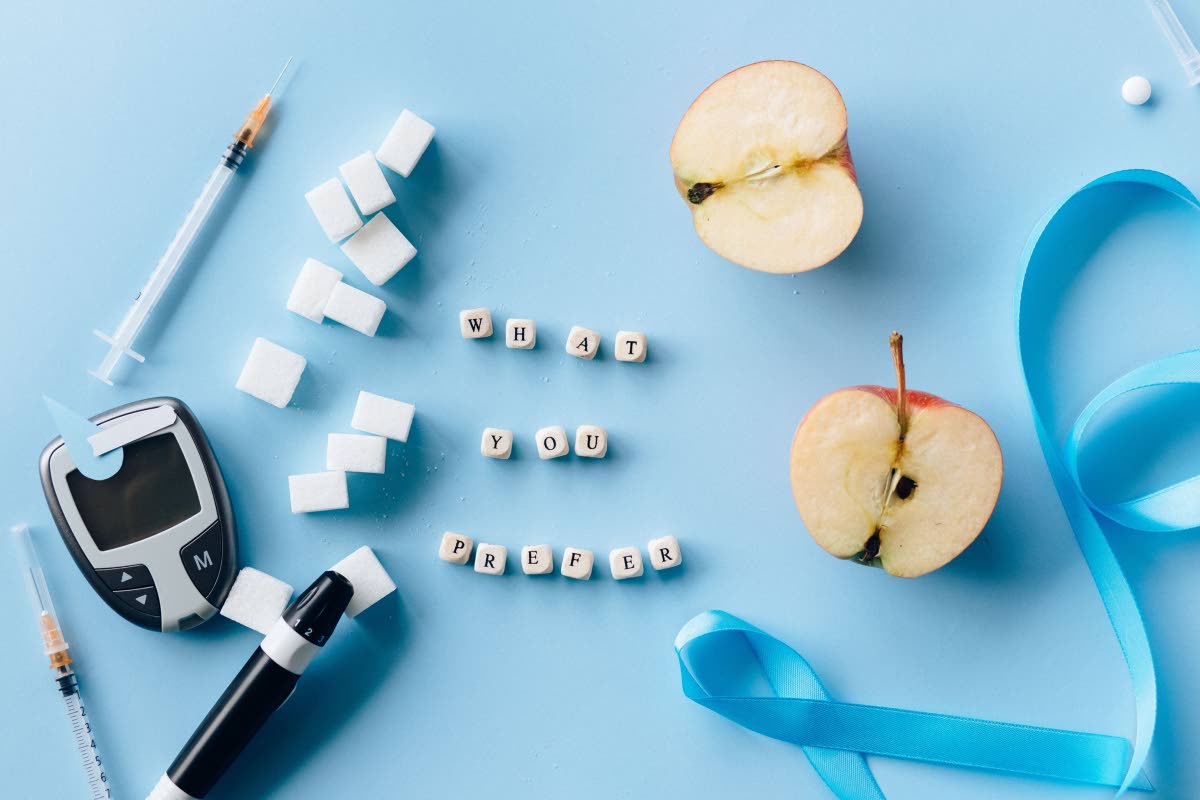 Photo - Pexels
At 35 years old, Carla Sinclair* was not expecting to receive a diagnosis that would change virtually every aspect of her life. What began as frequent urination, excessive thirst and persistent fatigue eventually landed her in hospital, where doctors discovered that her blood had become dangerously acidic and she was rapidly approaching a diabetic coma.
Despite consulting three private doctors over six weeks, the underlying condition had gone undetected. Her complaints were initially attributed to sinus problems and allergies, and she was sent home with medication that did little to address her deteriorating health.
It was only after she developed shortness of breath and sought treatment at a public hospital that the seriousness of her condition became apparent. Doctors initially suspected an asthma attack and administered a nebulizer. However, Sinclair was experiencing Kussmaul breathing, a deep, rapid and laboured breathing pattern associated with diabetic ketoacidosis (DKA), a potentially life-threatening complication of diabetes.
She subsequently began vomiting and became increasingly disoriented while awaiting her test results. Her blood glucose level was 21 mmol/L, significantly above the normal fasting range of approximately 3.9 to 5.5 mmol/L.
Further investigations revealed severe metabolic acidosis, and she was admitted for a week of treatment. Overseas laboratory testing subsequently confirmed that she had Type 1 diabetes, an autoimmune condition in which the immune system destroys the insulin-producing beta cells of the pancreas.
“The diagnosis blindsided me. I was immediately overwhelmed and went through a simultaneous cycle of grief and learning,” Sinclair said.
The diagnosis, she said, was particularly unexpected because Type 1 diabetes is commonly associated with childhood. However, the condition can develop at any age, including adulthood, and is not caused by poor dietary choices, obesity or a lack of physical activity.
Although no one in her family had a reported history of Type 1 diabetes, Sinclair soon realised that she was embarking on a lifelong journey requiring constant monitoring, insulin treatment and significant lifestyle adjustments.
She was also confronted with the emotional burden of managing a chronic illness while trying to understand the science behind it. “I am a practical person. I follow guidelines readily and was already conscious of nutrition and supporting my body. I read up on best practices and try to take in as much information as I can to help myself,” she said.
Nevertheless, the transition has not been easy. Following her discharge, Sinclair adhered closely to the instructions provided by the hospital, administering insulin several times daily, checking her blood glucose through finger-prick testing four to six times a day, and following dietary recommendations.
Despite her efforts, she continued experiencing significant fluctuations in her blood sugar, including episodes of hypoglycaemia (low blood glucose) and hyperglycaemia (high blood glucose).
A glucose reading below 70 mg/dL (3.9 mmol/L) is generally considered low, while levels above 180 mg/dL (10.0 mmol/L) are commonly regarded as high in diabetes management.
The effects extend beyond the readings displayed on a glucose meter. Low blood sugar can cause sweating, trembling, anxiety, confusion and, in severe cases, seizures or unconsciousness. High blood sugar can contribute to exhaustion, irritability and difficulty concentrating, while prolonged poor control increases the risk of damage to the eyes, kidneys, nerves and cardiovascular system.
Sinclair said the uncertainty surrounding these fluctuations became particularly distressing at night. One of her greatest concerns was experiencing a severe hypoglycaemic episode while sleeping, when she might not recognize the warning signs or be able to respond.
This fear eventually prompted her to explore continuous glucose monitoring (CGM), a technology that tracks glucose levels throughout the day and night.
Unlike conventional finger-prick testing, which provides a reading at a particular moment, a CGM uses a small sensor inserted beneath the skin to measure glucose in the interstitial fluid. The device provides ongoing readings, identifies whether glucose levels are rising or falling and, depending on the model, can alert users when levels approach dangerously high or low thresholds.
Sinclair now uses Abbott’s FreeStyle Libre, wearing a small sensor on the back of her arm and replacing it approximately every two weeks. “What makes it so different from finger pricks is that it doesn’t just tell me a number; it tells me where my blood sugar is heading. An arrow on the screen shows whether I am rising, falling or steady, so I can act before a high or low hits rather than after,” she said.
The technology has significantly improved her ability to understand and manage her condition.
Since her diagnosis, her HbA1c, which measures average blood glucose over approximately three months, has declined from eight per cent to 5.9 per cent. She credits the CGM with helping her identify patterns and understand how food, stress, sleep and hormonal changes influence her glucose levels.
However, obtaining and maintaining the device has presented another challenge. Because CGMs are not readily available through local suppliers and are not covered by the National Health Fund (NHF) or her insurance, Sinclair has had to depend on a family friend overseas to purchase and send the sensors to Jamaica.
Each sensor costs approximately US$80, or J$12,600, and lasts about 14 days. This translates to an estimated annual expense of J$330,000, excluding shipping and customs charges.
The logistical arrangements are equally demanding. She must plan orders in advance, account for shipping delays and ensure that the sensors are stored within the recommended temperature range. If a sensor fails prematurely or becomes dislodged, replacing it locally is not a straightforward option.
“Honestly, it feels isolating. I know the technology exists, I know it works, because I have seen what it is done for me, and yet getting it feels like a short-term privilege rather than a standard of care,” she said.
Her experience has also raised questions about the adequacy of existing diabetes support mechanisms. While acknowledging the value of the NHF, Sinclair believes its monthly allocations for glucose test strips do not always reflect the needs of patients whose conditions require more frequent monitoring.
On one occasion, after becoming ill and checking her glucose more frequently, she exhausted her monthly allowance and had to purchase additional strips privately. She has also expressed concern about the quality and shelf life of insulin supplied through the public health system, recounting instances in which she received insulin that was due to expire within the month.
These experiences have contributed to her decision to purchase insulin through private pharmacies, where she has been able to obtain supplies with longer remaining shelf lives.
Beyond medication and monitoring equipment, food management has required considerable adjustments. Although she was already mindful of nutrition, living with Type 1 diabetes has made carbohydrate counting an essential part of her daily routine.
The traditional Jamaican diet, which often includes rice and peas, dumplings, bread and other carbohydrate-rich foods, presents particular challenges when eating away from home.
Her CGM has helped her identify how different foods affect her glucose levels. For example, she has observed that sweet potato works well for her at breakfast and lunch, while similar portions of white rice and flour-based foods produce sharper increases in her readings.
She now plans meals more carefully, balances carbohydrates with protein, fibre and vegetables, and carries food when suitable options may not be readily available.
psychological demands Physical activity is another important component of her management routine. Sinclair walks for approximately 30 minutes on most days, usually after meals, while carrying fast-acting carbohydrates such as glucose tablets or juice in case her blood sugar drops.
She also recognises the psychological demands of living with a condition that requires continuous attention. “Living with Type 1 means making decisions all day, every day, and that can wear you down,” she said, adding that she relies on continued learning, family support and connections with others living with diabetes.
To encourage herself during difficult moments, she repeats two affirmations: “I am not afraid” and “You may have diabetes, but diabetes doesn’t have you”.
Her concerns, however, extend beyond her personal circumstances. Sinclair believes Jamaica needs to accelerate the introduction of modern diabetes technologies, particularly CGMs and insulin pumps, which can help improve glucose control and reduce the risk of complications.
Hybrid closed-loop systems, which combine a CGM with an insulin pump, can automatically adjust insulin delivery based on glucose readings, reducing some of the daily calculations required by patients and helping to prevent dangerous fluctuations.
Sinclair argues that investing in these technologies should be considered part of a broader strategy to reduce the long-term costs associated with poorly controlled diabetes.
*Name changed upon request
keisha.hill@gleanerjm.com