
Braham: Poor people have no problem with state of emergency
Published:Friday | March 30, 2018 | 12:00 AM
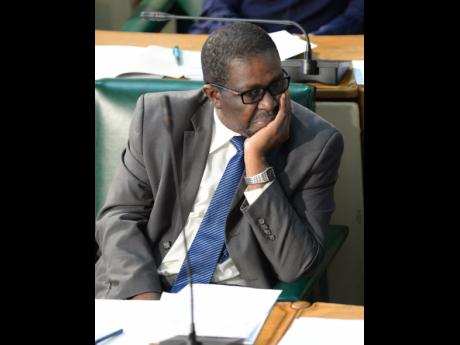
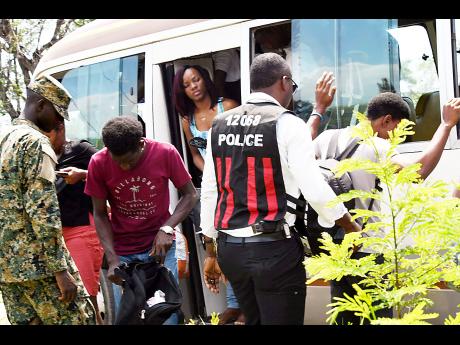
Government Senator Ransford Braham has taken issue with Senator Damion Crawford's characterisation of the impact the state of public emergency is having on black Jamaican males, arguing that the Government should not put a limit on this measure, but use it as is necessary to tackle the serious crime problem.
In his contribution to a debate on two resolutions regarding the state of public emergency in the St Catherine North Police Division, Braham noted that the extreme measure should be applied "so that we may bring back the situation to a semblance of normalcy where normal tactics can work."
"So to put it in the way Senator Crawford put it, that this is just a thing to run rough shod over poor people, lock up black people, and so on, is, with respect, entirely wrong."
"In Jamaica today, where poor people are losing their lives, where mothers are losing their sons, where people are being crippled, we don't talk about the people who are being shot and injured and maimed and left in wheelchairs, and when you go to look for them, they have no resources to get from anybody," Braham lamented. He added that a special financial regime should be established to assist the families of persons who are killed at the hands of criminals.
'Lives being spared'
The Government senator, who is also an attorney-at-law, asserted that under the states of public emergency in St James and the St Catherine North Police Division, "lives are being spared. Children are going about their business in these communities. Thank God for the state of public emergency".
He insisted that Crawford's analysis of the impact of states of public emergency lacked "balance".
Braham concurred that the majority of persons living in depressed communities were law-abiding. He argued, however, that they were being kept hostage by thugs and terrorists.
He also expressed the view that the majority "of black males, black females, poor females, and poor males in these communities have no difficulty with the states of public emergency".