Accu-Chek Attention Centre puts diabetes care in focus
Loading article...
-
 Rosalie Vassell, diabetes coordinator at the Accu-Chek Attention Centre, encourages people living with diabetes, as well as those who suspect they may have the condition, to visit the centre for care and support. Photo - Gladstone Taylor
-
Rosalie Vassell, diabetes coordinator at the Accu-Chek Attention Centre, encourages people living with diabetes, as well as those who suspect they may have the condition, to visit the centre for care and support. Photo - Gladstone Taylor
-
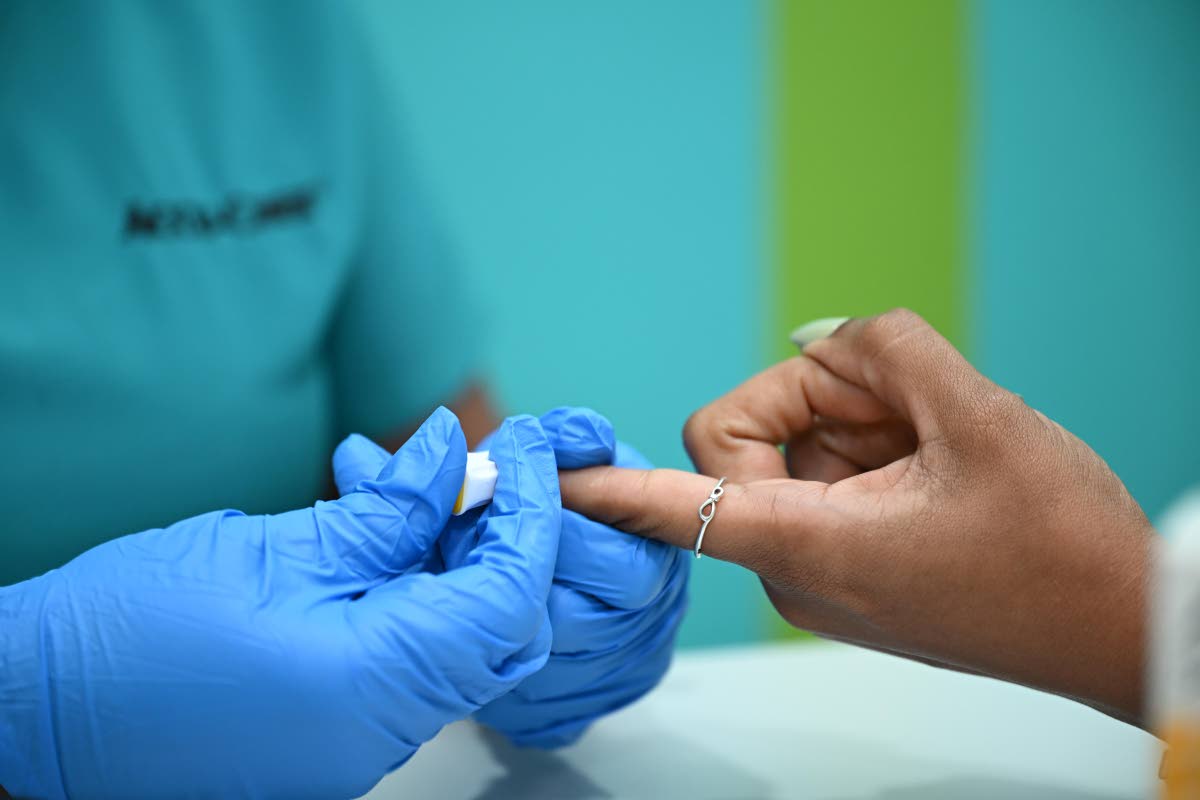 Regular blood sugar testing is an important part of managing diabetes and keeping track of glucose levels. Photo - Gladstone Taylor
Managing diabetes involves more than medical care. Education, emotional support and access to the right resources also play a role in helping people navigate the condition. Observed in November, Diabetes Awareness Month draws attention to the chronic illness and the support available to those living with it. One such resource is the Accu-Chek Attention Centre, a dedicated hub providing medical, mental and emotional support.
Registered Nurse Tara Montaque points to the figures emerging from recent health projections, noting the prevalence of diabetes among Jamaica’s adult population.
“The projections that we’re seeing for the overall global picture, it’s alarming. The truth is, [approximately] 12.5 per cent of our population has diabetes. And this is the adult population. So the prevalence is high, and issues such as our eating habits are predisposing us to the illness,” she told Lifestyle.
It is for this reason that the centre was created to facilitate greater access to information and treatment options for diabetes. The support includes assessing and educating patients about the chronic illness, recommending ways to manage symptoms and discussing the best approaches to lowering blood sugar levels.
“I assist in demonstrating how a glucometer machine works, the features that it offers and its accuracy. Then I will go into reactive measures post-diagnosis; the importance of medication and how it should be taken. Then we work on managing what foods are consumed daily and in what quantity,” Rosalie Vassell, diabetes coordinator at the centre, shared.
As a nation, she explained further, we tend to eat a lot of carbs, which translates to sugar, and not enough vegetables, “Carbs can even be found in the drinks we have, like sodas. Reading product labels is paramount, and portion control is key. We also talk to people about engaging in activities such as exercise. The goal is to get these patients to move.”
The four principles highlighted in diabetes management are proper nutrition, exercise, medication adherence, and self-monitoring. Vassell noted that some people put off testing their blood sugar, even when they know their actions may have contributed to elevated levels. Others are afraid, not only of the readings, but also of the needle prick.
Symptoms of diabetes include frequent urination, increased thirst, fatigue and, in some cases, unexplained weight loss and blurred vision. In men, the condition can also affect sexual function. Over time, diabetes can damage the nerves, kidneys and blood vessels, increasing the risk of heart disease. An annual health check-up is also recommended to monitor overall health and identify potential complications.
The Attention Centre’s name was inspired by Accu-Chek, Roche’s international diabetes care brand, which offers blood glucose meters, test strips and lancing devices.
The three main types of diabetes affecting the local population are Type 1, Type 2 and gestational diabetes.
Type 1 diabetes is an autoimmune condition that affects the pancreas’s ability to produce insulin. Although commonly diagnosed in children, it can also develop in teenagers and adults. Montaque explained the need for insulin in managing the condition.
“Type 1 just simply means that you need insulin off the bat, and those children are usually placed on insulin,” she explained.
She continued by noting: “So for type 2, genetically speaking, you can be predisposed... But this one is more lifestyle-based. And the next one is gestational, which occurs in pregnant mothers. Diabetes is hormonal. And insulin is a hormone that helps to regulate blood sugar in the bloodstream. When you have all the other pregnancy hormones at play, then a clash occurs.”
Vassell noted that some women diagnosed with gestational diabetes may have had pre-existing blood sugar problems without realising it. Pregnancy can bring these issues to light. “For some women, after delivering the baby, they can go back to normal stages. While for others, however, they have a greater risk of developing diabetes after the fact because they were exposed to it.”
Located at the heart of the Diabetes Association of Jamaica’s (DAJ) building on Downer Avenue, St Andrew, Accu-Chek Attention Centre, established by LASCO Distributors Limited, opened its doors recently as the DAJ celebrated its 50th anniversary earlier this year.
“Since the opening, we have been supporting our patients who come to the Diabetes Association, as well as our regular patients who use the brand and come to the centre, because it is open to just about anyone who uses the Accu-Chek line,” Montaque highlighted.
Colette Morrison-Chen, chief executive officer at the DAJ, said the association’s mandate has been to provide nationwide education on diabetes prevention and treatment. She described reaching 50 years as a significant milestone for the organisation.
She noted that the opening of the centre adds to the association’s existing services, providing further support for people living with diabetes. “The centre has not only complemented our existing core services, but it has also significantly enhanced the comprehensive care that we provide. Whether that patient is managing diabetes or visiting our specialists for regular check-ups, this new space offers critical support, education and resources right when they need it the most,” she said.
krysta.anderson@gleanerjm.com