
Health + Tech | Digitising a medical practice
Published:Monday | February 17, 2025 | 9:36 AM

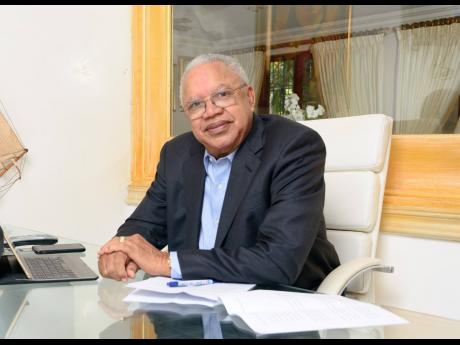
The stage right before a venture starts, when you only have the idea and the desire, is the most difficult because that is when you must make the right choices to ensure that you have what is needed to succeed and the implementation know how. Given the direction technology in healthcare is going, it would be no surprise to learn that many medical practitioners are deciding to move towards modernising their offices.
Healthcare digitisation is a step towards ensuring a more efficient, cost effective and patient-centred environment. Although the journey toward digitisation can seem complex, the inputs available today can simplify the process along with a guided approach. The transition may involveupdating records, streamlining appointments, improving communication, and ensuring data security, all of which significantly enhance the quality of care and office operations.
The first step in digitising a medical practice is converting paper records into electronic health records (EHRs). These digital files centralise all patient information, making it easily accessible to authorised staff. The process begins by reviewing existing records and deciding which data needs to be digitised. There are many professional services that can do this, or software designed to scan medical records can be used. As records are transferred, care should be taken to categorise and label them correctly, so they are easy to locate in the digital system.
After digitising records, the next focus is on streamlining appointment scheduling. Traditional methods of booking appointments often lead to inefficiencies, such as double bookings or lengthy wait times. A digital scheduling system eliminates these issues by allowing patients to book, reschedule, or cancel appointments online. These systems often include features like automated reminders sent via email or text, reducing no-shows and improving overall time management for both staff and patients.
Effective communication is a cornerstone of a well-run medical office, and digitisation can significantly improve it. Secure messaging platforms enable patients to contact the office for inquiries, prescription refills, or test results without requiring a phone call or visit. These platforms also allow doctors to communicate directly with patients when needed, providing updates or follow-ups in a timely and confidential manner. Security is critical here, and encryption ensures that sensitive information remains protected.
Integrating digital payment options is another essential step. These systems offer patients the convenience of paying online or using contactless methods at the office. Automated billing systems can generate invoices, track payments, and send reminders, making financial management more straightforward for the office. A transparent and efficient payment process not only reduces administrative work but also enhances the patient experience.
One of the most significant advantages of digitisation is the ability to automate repetitive tasks. Digital tools can handle routine jobs such as checking insurance eligibility, sending appointment reminders, or processing prescriptions. This frees up staff to focus on more personalised aspects of patient care. Prescription automation, for instance, allows doctors to send prescriptions directly to a pharmacy electronically, reducing errors and saving time for both patients and pharmacists.
Data security is a top priority when digitising a healthcare setting. Patient information must be safeguarded against breaches and unauthorised access. Employing secure systems with features like encryption, access controls, and regular software updates helps protect sensitive data. Establishing clear protocols for handling information ensures that both staff and patients feel confident in the privacy of the system. Additionally, regular backups are essential to prevent data loss in case of system failures or cyberattacks.
Continuous evaluation is key to the success of a digitised office. As the systems are used, collecting feedback from both staff and patients can highlight what’s working and what isn’t. Adjustments can then be made to optimise workflows or address any challenges. For example, if patients find the online booking system confusing, modifications can be introduced to simplify it.
It’s important to remember that technology should enhance, not replace, the human element of healthcare. While digital systems make operations more efficient, personal connections and empathy remain central to patient care. Doctors and staff should ensure that patients still feel valued and heard, even as processes become more automated.
Digitising a doctor’s office is a journey toward greater efficiency, accuracy, and patient satisfaction. While the initial transition requires effort and investment, the long-term benefits far outweigh the challenges.
Doug Halsall is the chairman and CEO of Advanced Integrated Systems. Email feedback to doug.halsall@gmail.com and editorial@gleanerjm.com.