A requiem for historic buildings in Black River
Loading article...
-
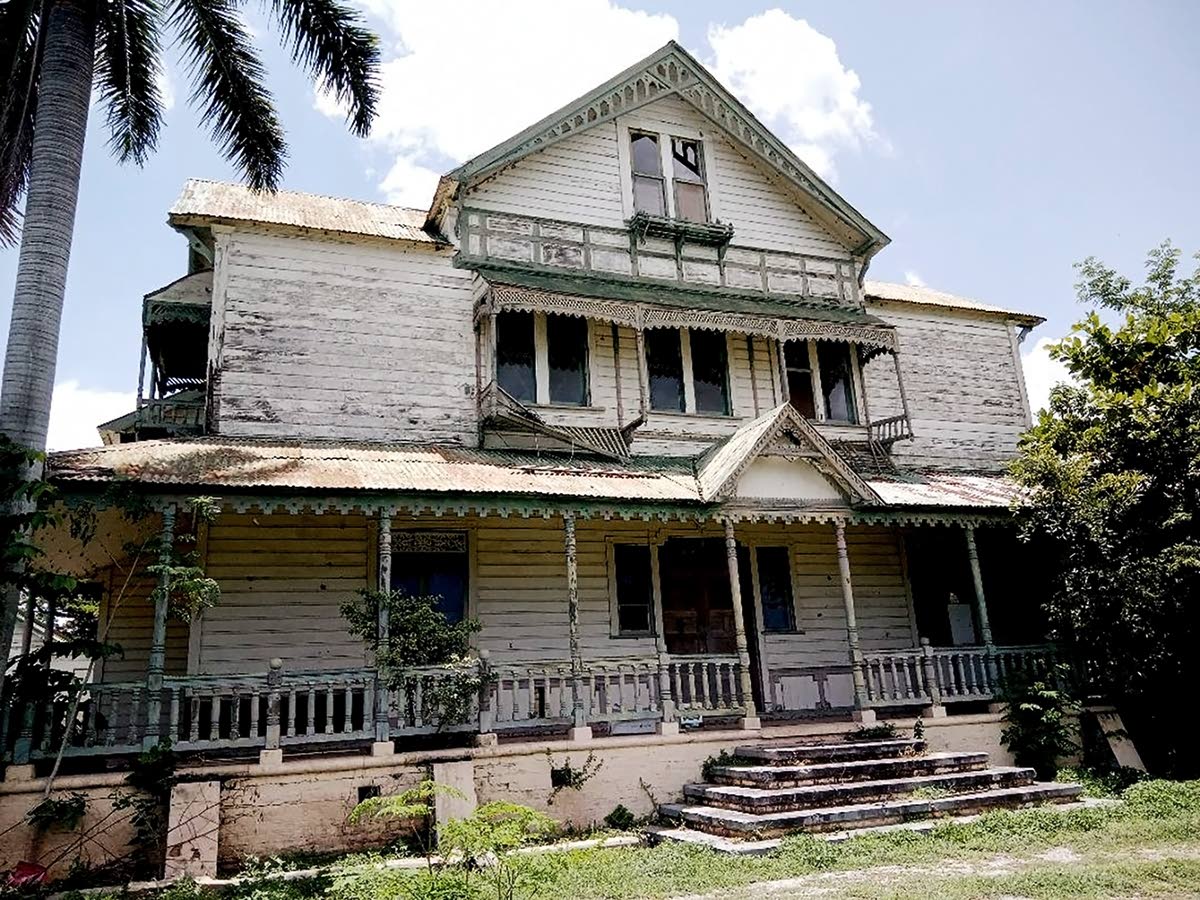 Magdala House. Photo - Marcia Thomas photo
-
Magdala House. Photo - Marcia Thomas photo
-
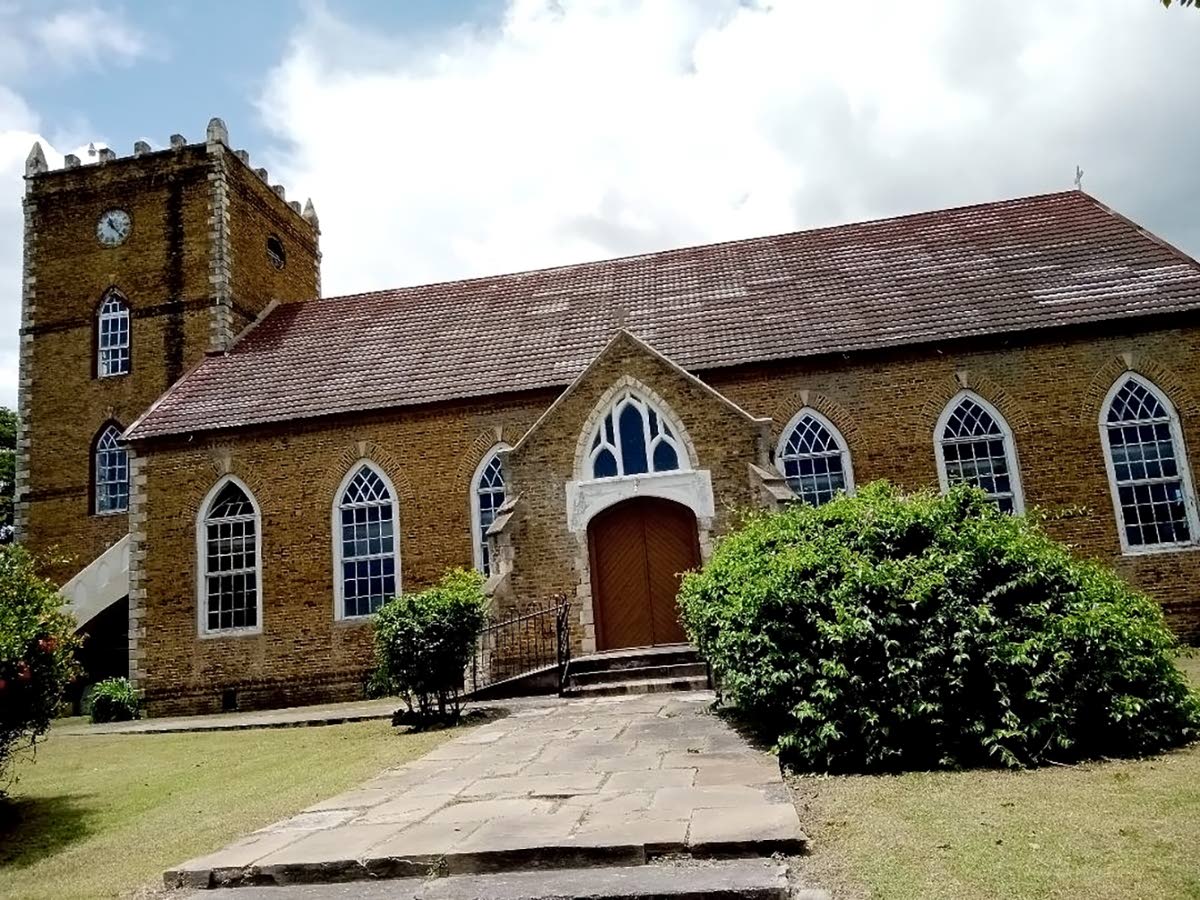 Black River Parish Church. Photo - Marcia Thomas photo
-
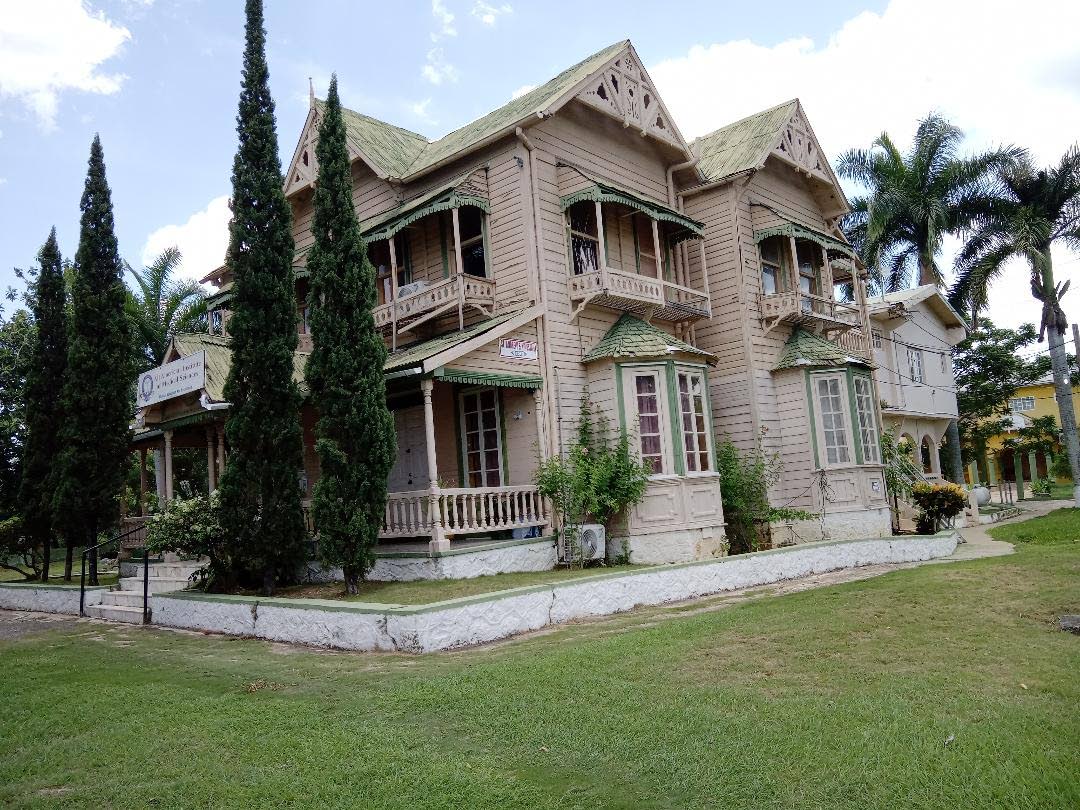 Invercauld House. Photo - Marcia Thomas
-
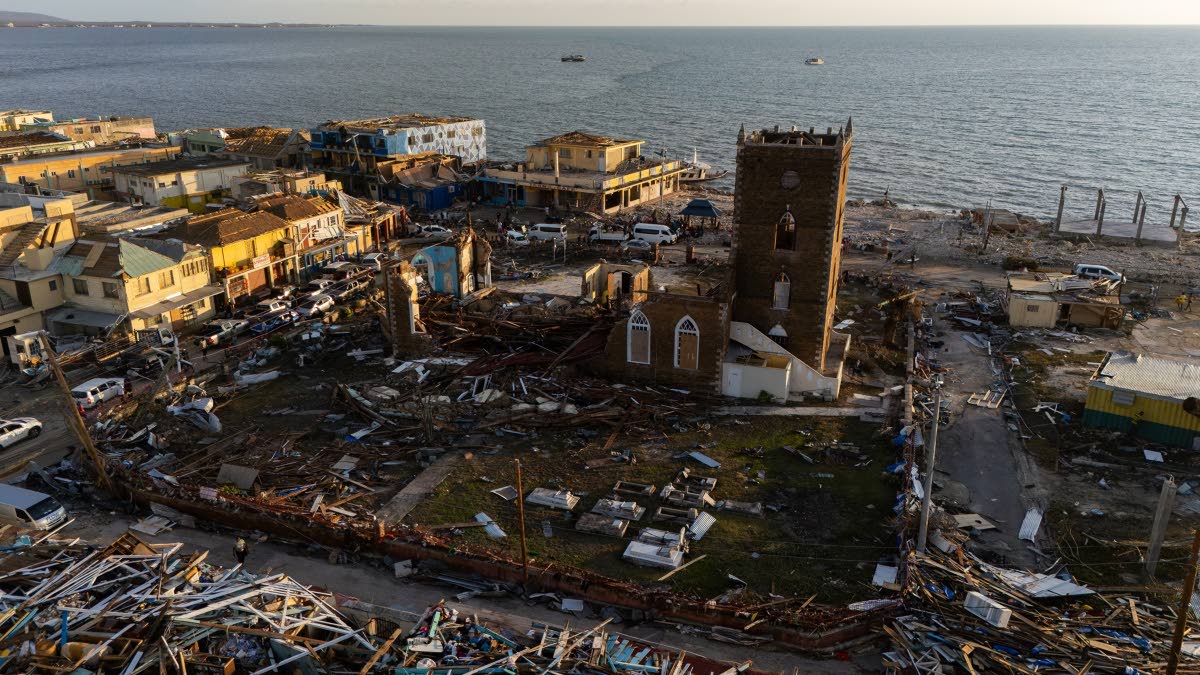 This aerial photo shows St. John Anglican Parish Church in Black River, St Elizabeth, razed by Hurricane Melissa. Photo - Gladstone Taylor
I have always been interested in the history of the parish of St Elizabeth, which was the parish of my mother. Her family roots run deep in the parish. Her grandmother, Adelaide Shaw, was born in Ivor Cottage, Malvern District. Her grandfather, Francis Smith (known as Pabrush), it seems, was from Black River and was a boatman on the river, ferrying, possibly, sugar, logwood, other crops, and products to and from the port in the town in the latter part of the 19th century and early 20th century.
My mother and her siblings grew up between Elim and Brighton District. There are relatives still living in Brighton District, who we have been informed are well, though their homes, businesses and crops were damaged in the ferocious Category 5 Hurricane Melissa, which made landfall on the coast between Westmoreland and St Elizabeth on Tuesday, October 28.
Black River Town
The town of Black River is at the mouth of the river from which its name comes, where it flows into the harbour. The town has existed since the 17th century and became the capital of St Elizabeth in 1773. It was an important commercial port town. The area was important for the growing and production of sugar and later for the reaping of logwood, which was in high demand as a natural dye. Logwood lost its importance in the first part of the 20th century because of the introduction of synthetic dyes. Many of the historic buildings in Black River dated to the time of the logwood boom in the latter part of the 19th century.
A tour of the historic sites
I have visited the town of Black River twice. My most recent visit was on Sunday, June 30, 2024 with my history association, Built Heritage Jamaica (BHJ), the Kingston Chapter. BHJ was formerly the Georgian Society of Jamaica.
My group had a guided tour of historic sites in Black River, led by local historian Allison Morris. This was a few days before Hurricane Beryl, a Category 4 hurricane, which passed offshore, but its outer bands affected several south coast parishes, including St Elizabeth. The historic buildings survived mainly intact. This was surprising because of their state of neglect, which is the norm in Jamaica. This is in spite of much talk and studies done on preserving/developing historic sites to promote heritage tourism. The Jamaica National Heritage Trust (JNHT) had declared Black River one of Jamaica’s five historic districts.
Demolition
However, on Tuesday, October 28, Black River’s historic buildings surrendered to the powerful winds of Hurricane Melissa and the accompanying storm surge. The town was all but demolished. From the images seen, it appeared that a bomb had been detonated there. The shock, for me, was the collapse of the seemingly sturdy 188-year-old brick-built St John’s Anglican Parish Church. Only the bell tower seems to be standing. The famous Waterloo House is gone, known as one of the first places in Jamaica to use electricity. Quite often, what is destroyed cannot be replaced. It can only live in the ruins, in photographs, now videos, and in memories. There was so much hope that Black River would eventually realise the dream of being a proper heritage town, attracting more visitors, local and foreign. The hope now is that something from these buildings can be salvaged as St Elizabeth recovers from its traumatic experience. The remains of the historic buildings should not be demolished without consultations with the JNHT.
Requiem
In this brief feature, I wish to remember the historic buildings of Black River as I saw them on Sunday, June 30, 2024:
1. St John’s Anglican Parish Church
2. Magdala House
3. Invercauld House
4. Waterloo House
Marcia Thomas is a history enthusiast and member of the Jamaica Historical Society and Built Heritage Jamaica.