Book on Jamaican cuisine earns global recognition
Loading article...
-
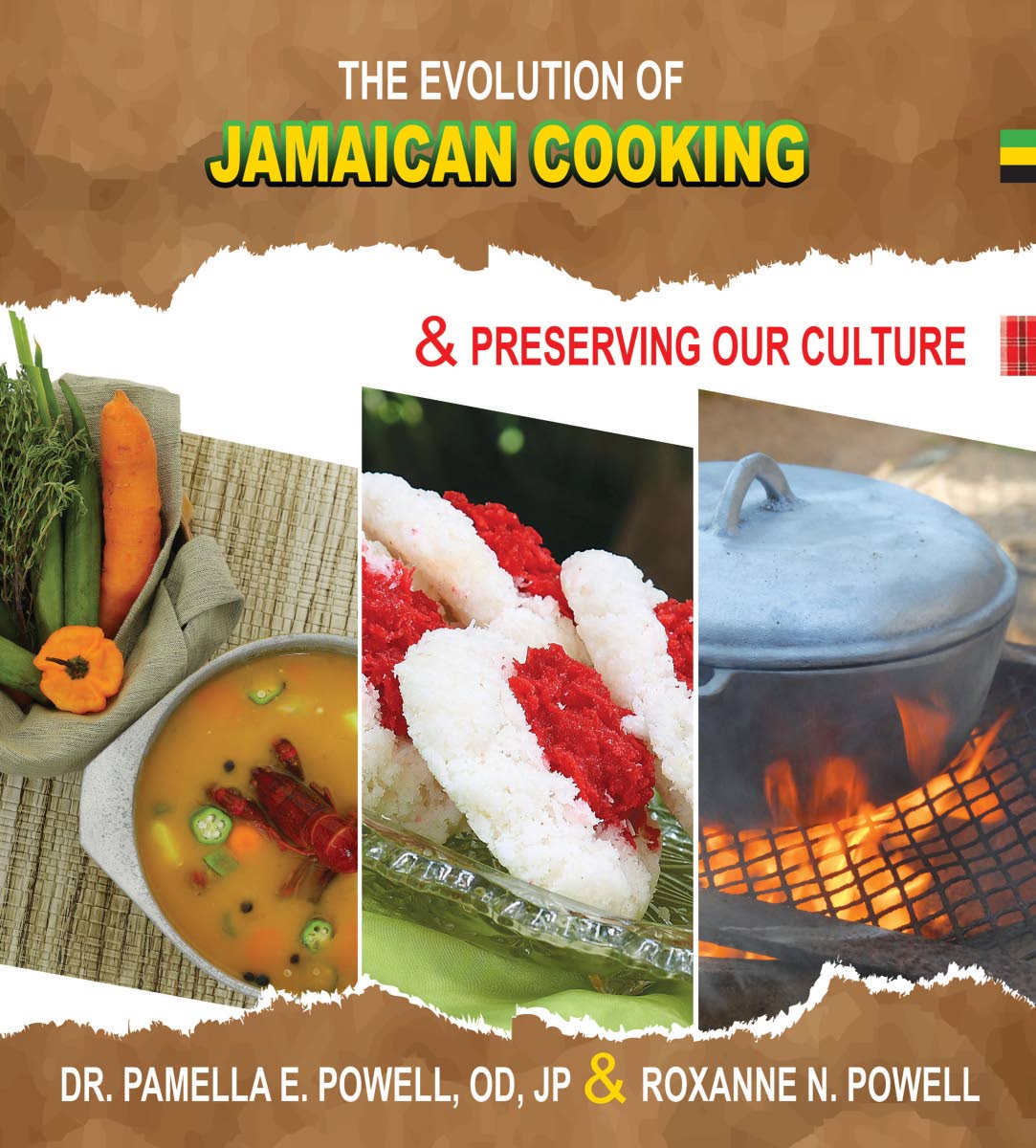 The Evolution of Jamaican Cooking and Preserving Our Culture won Best Independently Published Book in the World. Photo - Contributed
-
The Evolution of Jamaican Cooking and Preserving Our Culture won Best Independently Published Book in the World. Photo - Contributed
-
 Roxanne Powell. Photo - Contributed
-
 Dr Pamella Powell. Photo - Contributed
Jamaican cuisine is more than food. It is memory, migration, survival, celebration and identity served on a plate. Its evolution reflects centuries of cultural blending, creativity and resilience, shaping a tradition now admired worldwide.
In recent years, Jamaican culinary experts Dr Pamella Powell and her daughter Roxanne Powell have been at the forefront of documenting and preserving this cultural treasure. Their work was recently recognised internationally, including at the 2025 Gourmand World Cookbook Awards, often called the ‘Olympics of Food Books.’
Works featuring Jamaican culinary heritage, including contributions by Dr Powell and emerging food writers, were praised for cultural depth, storytelling and preservation value. Judges commended Jamaica’s culinary documentation for authenticity, historical richness and commitment to keeping traditional techniques alive.
Dr Powell’s latest book, The Evolution of Jamaican Cooking and Preserving Our Culture, co-authored with Roxanne, won Best Independently Published Book in the World, competing against entries from Finland, France, Ireland, Sweden and the United Kingdom. The book offers a comprehensive compilation of Jamaica’s culinary history and culture, reaffirming the island’s growing influence in world gastronomy.
Jamaican cooking is a vibrant mix of history, migration and innovation, a culinary story that has become a global symbol of creativity and resilience. From indigenous Arawak and Taíno roots to African, European, Indian and Asian influences, the island’s cuisine embodies the national motto “Out of Many, One People” through flavour, techniques and traditions.
Powell’s passion for Jamaican cooking, shaped by her upbringing in rural St Elizabeth and decades of teaching and documenting the cuisine, has helped make the nation’s food traditions a source of cultural pride.
Preserving Culture
“The book is a two-in-one compilation with the ‘Preserving Our Culture’ section highlighting the Jamaican way of life. In addition, there is a section on the ‘Impact of Great Initiatives’ which captures the history of the Jamaican beef patty and the Pickapeppa Company Limited’s story,” Roxanne noted.
Commenting on further highlights of the book, Dr Powell said:“There is an interesting section on how our forefathers celebrated Easter and Christmas with beautiful accompanying photographs. For example, Christmas cards hanging on a string in a home. It captures an array of Jamaican recipes such as breadfruit porridge, janga soup, Christmas rum cake, sweet potato pudding, curried lobster, peas and bean stew, as well as innovative creations such as jerk and barbeque jackfruit.”
The publication also features photographs and history of Black River, including the iconic Waterloo House. St Elizabeth appears prominently, with Holland Bamboo on the back cover. Middle Quarters is showcased through a shrimp vendor dressed in Jamaican colours selling to a motorist.
“The ‘Old Time Wedding Story’ in the publication also speaks to a traditional wedding celebration. There is a pictorial of over 40 artefacts including shut pan, brick oven, kerosene oil stove, yabba, calabash bowl, thatch sieve and callaban,” Dr Powell said.
More than Recipes
For the authors, preserving Jamaican culture means more than recording recipes. It means telling the stories behind the flavours — who brought them, why they endure and how they connect us to our ancestors. “Preserving our food culture is an act of national pride. When we understand our ingredients, our techniques and our stories, we safeguard a part of Jamaica that cannot be stolen or replaced,” Dr Powell said.
Her research, much of it shaped during her tenure as a culinary arts specialist with the Jamaica Cultural Development Commission, illustrates how cultures blended. She believes cooking is deeply rooted in identity and storytelling.
“Understanding our food is understanding ourselves. Our ingredients, our techniques, our flavours — they tell the story of who we are, where we have been and where we are going,” she said.
Roxanne, a rising culinary voice and cultural advocate, continues this legacy of food storytelling. She believes Jamaican cooking is not only evolving but innovating. “We are witnessing a renaissance of Jamaican cuisine. Young chefs are fusing flavours, experimenting boldly and bringing Jamaican techniques into fine dining spaces. Yet, the roots remain beautifully intact,” she said.
For both authors, documenting Jamaican cuisine is an urgent cultural responsibility. “If we do not tell our food story, someone else will — and they will never tell it the way we can,” they said.
keisha.hill@gleanerjm.com