Sean Major-Campbell | A time to speak out
Loading article...
-

-
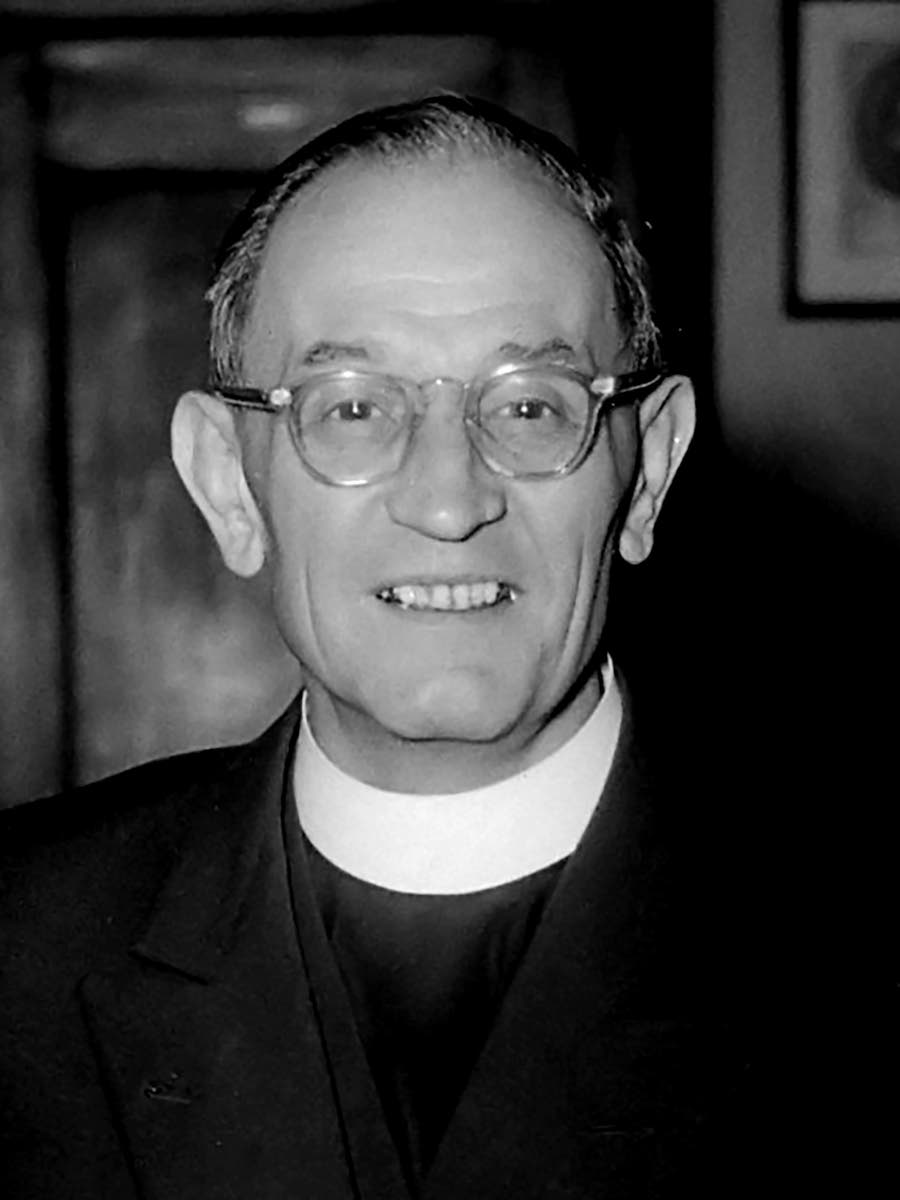 Friedrich Gustav Emil Martin Niemöller
-
 A cleric leads a group of volunteers in prayer next to a police facility struck during the U.S.–Israeli military campaign in Tehran, Iran, Wednesday, March 4, 2026.
-
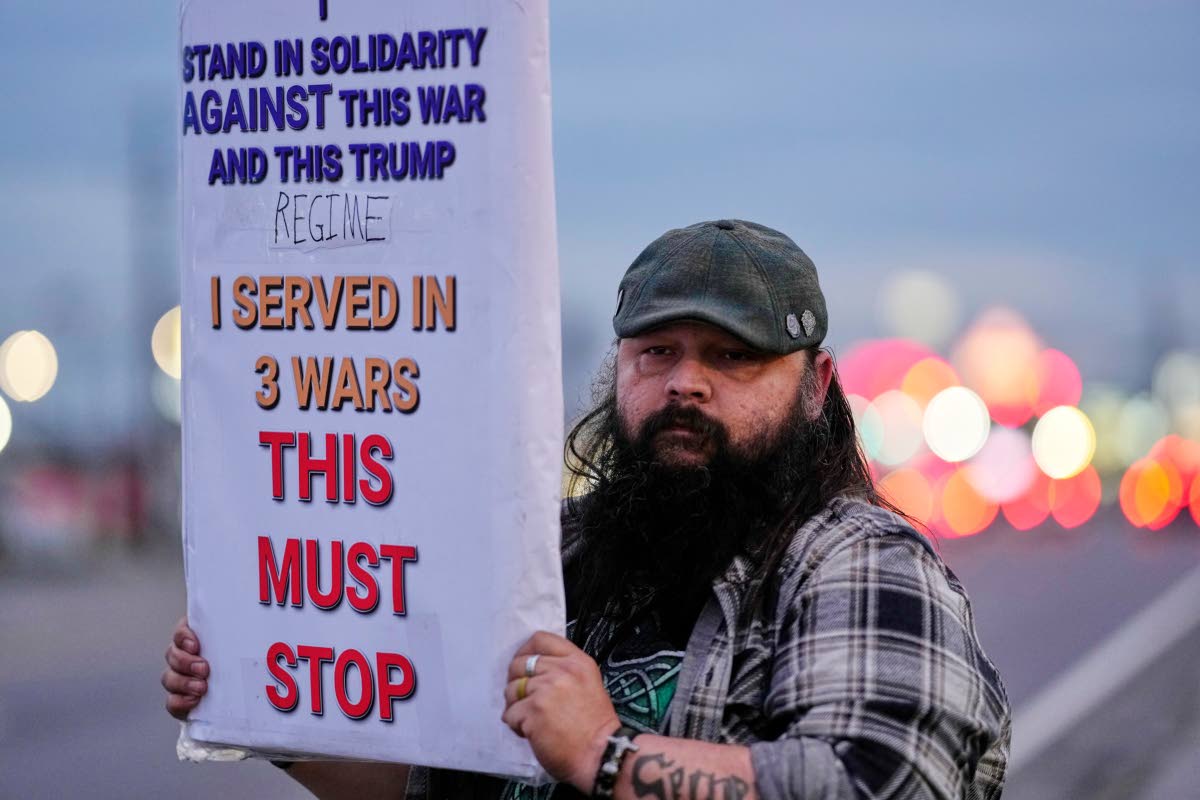 Army veteran Christopher William McFarland protests the war in Iran on Monday, March 2, 2026, in Clarksville, Tenn.
Lately, I have been finding myself thinking that we are in a Martin Niemöller moment! He was a German Lutheran pastor (1892–1984). He is renowned for his 1946 post war poem that critiqued the silent elite inclusive of clergy who remained silent in the face of injustice and oppression of Nazi Germany.
Some days, I believe we should take a break from all the preaching and sit with this piece of writing. Here goes:
First, they came for the socialists, and I did not speak out, because I was not a socialist.
Then they came for the trade unionists, and I did not speak out, because I was not a trade unionist. Then they came for the Jews, and I did not speak out, because I was not a Jew. Then they came for me, and there was no one left to speak for me.
What might this sound like in your country, workplace, school, church or neighbourhood? Consider this version:
First, they bullied the black people, and I did not speak out, because I was not black. Then they bullied the brown people, and I did not speak out, because I was not brown. Then they bullied the immigrant, and I did not speak out, because I was not an immigrant. Then they bullied those seeking an abortion, and I did not speak out, because I was not seeking an abortion. Then they bullied the lesbian, and I did not speak out, because I was not a lesbian. Then they bullied the gay man, and I did not speak out, because I was not a gay man. Then they bullied the transgender, and I did not speak out, because I was not a transgender. Then they bullied the white woman, and I did not speak out, because I was not a white woman. Then they bullied the divorcee, and I did not speak out, because I was not a divorcee.
PREJUDICIAL APPROACHES
Many Christians take much pride in fasting and various acts of piety over the Lenten season. And these actions do have their place in some people’s personal faith journey. Just imagine though how enriching it might be to have a fast from self-righteous ways of being and prejudicial approaches which are the genesis of harmful political actions clothed in religious language.
The recent online responses to pleas for help regarding a victim of third-degree burns, point to a lack of humanity. Regardless of the assumptions that the victim may have been an aggressor in a conflict, her humanity is to be affirmed. She is a fellow human being. We should do all in our power to alleviate suffering.
Christ consciousness lives empathy, compassion, and grace. Respect and care for the other is inseparable from a deeper awareness of self and the realities of life. Another matter meeting with uncaring comments is that of a man who alleges that after being wrongfully arrested, he contracted a sexually transmitted infection after being violated in the police lockup. Are we able to reclaim our humanity and understand that even if this man were guilty of an offence under the law, he is entitled to safety, care, and respect as a fellow human being while in custody of the State? No doubt, I will be accused of “defending criminals”. However, being humane is to be a universal way of being. We should never cease respect for humanity in everyone.
Just now, I read after the fact that Purim Party was held on March 2nd and 3rd. That is because most of my Sunday Gleaner reading is done in the week. I read a most interesting article by Rabbi Yaakov Raskin, which was rather informative while resonating with sensitivity for the “Jewish psyche”. The column, “ Show up fully: the lesson Purim brought to Jamaica this year” observes, “ The Festival of Purim, arrives in Jamaica this Monday night and Tuesday. While it feels familiar – the same ancient scroll, the same melodies and costumes, and the same story of Esther, Mordecai, Haman, and a people who refuse to disappear, this year, the story lands differently for me.”
However, the following sentence that I find rather potent states, “ Maybe it’s because Jamaica is still rebuilding post – Hurricane Melissa; perhaps because the threat that Iran poses still looms large in the Jewish psyche.” The statement is eloquently presented without political weight for, or against, any of the protagonists on the stage of the troubling war in the Middle East.
Interestingly, I wrote much of my column for today before reading Rabbi Yaakov’s piece. Only to find that it resonates so much with my strongly held view of speaking out and speaking up even when it may not be popular to do so. He aptly notes, “ In each of our lives, when faced with a challenge to overcome a situation that requires our brave and bold action, perhaps that moment is the one we were created for.”
It is such a pity that our common humanity is so clouded with the confusion of selfish ambitions paraded in various political, religious, and philosophical garb. This is why we need spaces of religion and media and state to advance the cause of education. It is through respectful conversations and informed discourse that we are going to overcome the dangerous trappings of politics and religion which are easily weaponised by evil powers!
This Lent, as always, we do well to again reflect on our own proclivity to temptations re serving the gods of sensuality, seizing worldly power at the expense of our souls, and taking risks with our own lives or those of others while preaching the goodness of God.
Maybe this week, we might sit with this Hasidic thought for a while. “ The virtue of angels is that they cannot deteriorate; their flaw is that they cannot improve. Humanity’s flaw is that we can deteriorate; but our virtue is that we can improve.”
Fr Sean Major-Campbell is an Anglican priest and advocate for human rights and dignity. Please send feedback to columns@gleanerjm.com and seanmajorcampbell@yahoo.com