Earth Today | ‘Older women could drive change for ageing and the environment’ - report
Loading article...
-
 Frontiers 2025
-
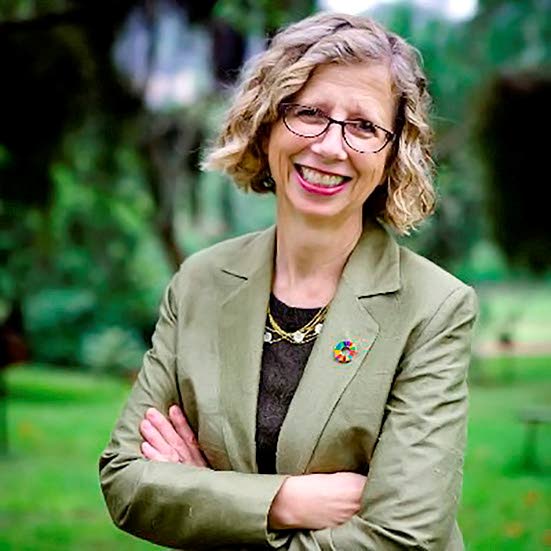 Inger Andersen, executive director of UNEP.
-
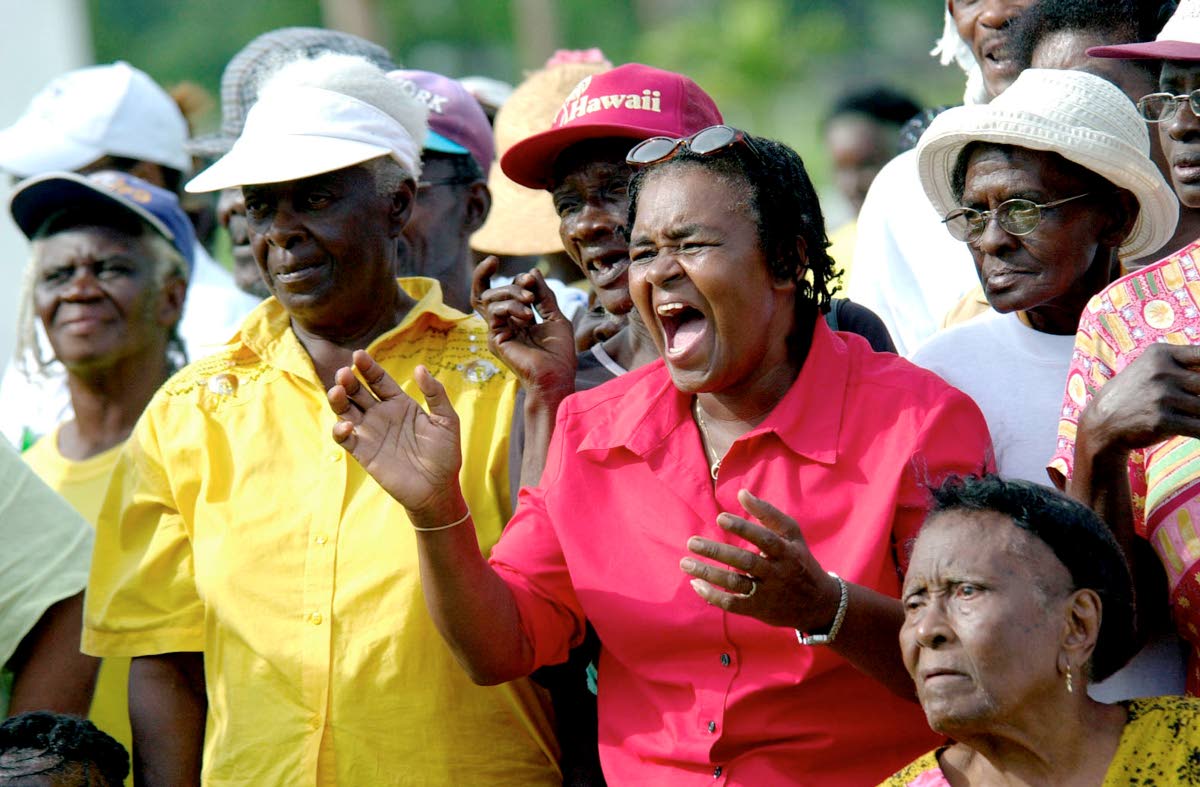 Many older women are at the forefront of community resilience efforts, acting as agents of change...
-
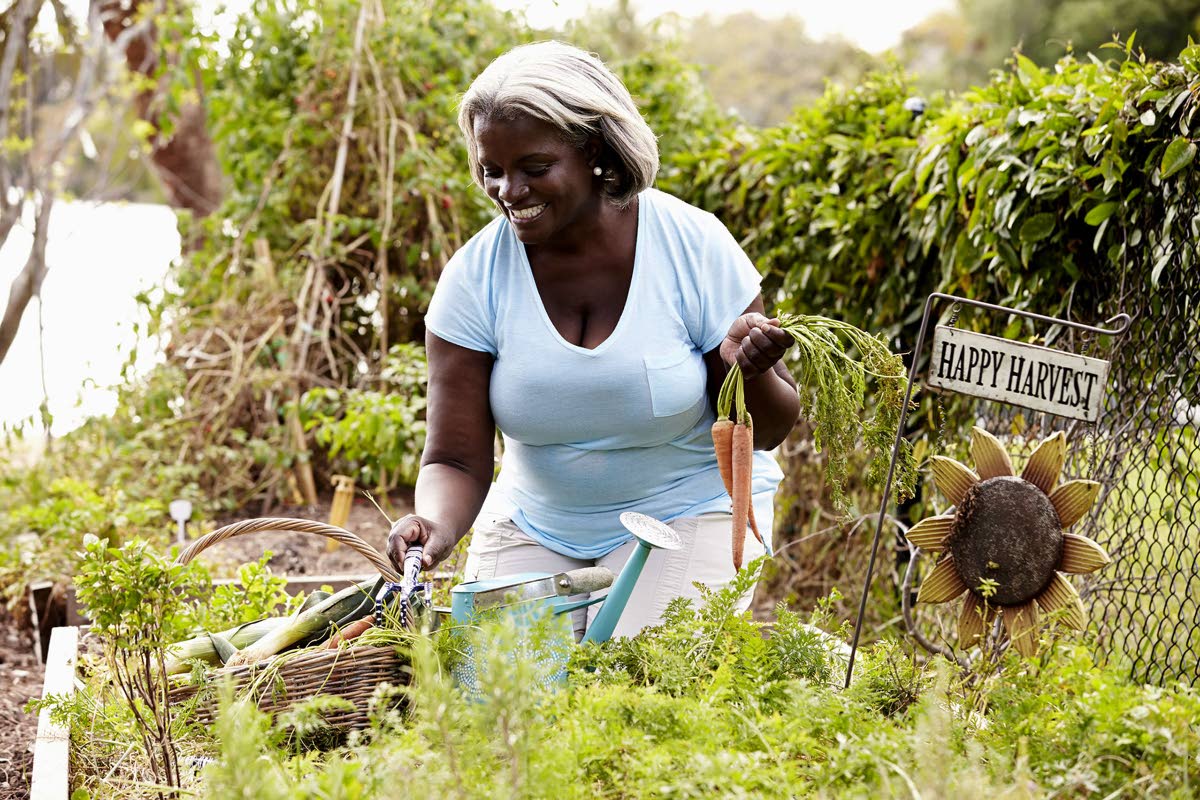 Women, old and young, have long been championed as essential to overcoming the world’s environmental woes.
-
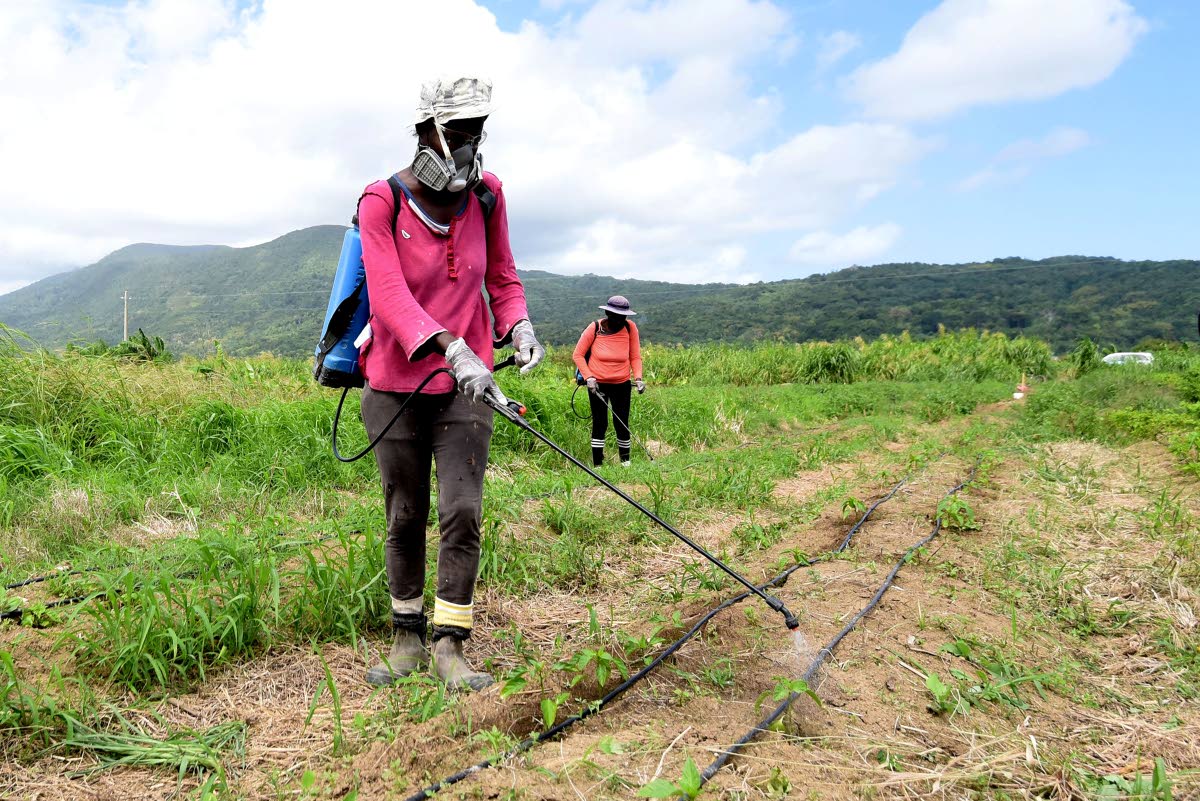 Women, old and young, have long been championed as essential to overcoming the world’s environmental woes.
OLDER WOMEN have been presented as part of the solution to the world’s ageing populations and the growing environmental risks that increase the vulnerability of older people to health problems.
“ Many older women are at the forefront of community resilience efforts, acting as agents of change and they can be instrumental in adapting to environmental challenges,” noted the 2025 Frontiers Report of the United Nations Environment Programme (UNEP).
“Recognising older women’s unique challenges and leveraging their strengths and knowledge can contribute to more resilient, sustainable and equitable communities for all,” added the report titled, The Weight of Time: facing a new age of challenges for people and ecosystems.
Women, old and young, have long been championed as essential to overcoming the world’s environmental woes. A 2004 report, also from the UNEP, noted that “ despite large obstacles, women have proven to be highly effective agents of change, organising all over the world to demand and work towards a healthy environment”.
“Innumerable organisations with women at the helm have contributed to setting a sustainable agenda through their advocacy and lobbying, developing alternatives to unsustainable development, and making sure that women’s voices are heard and their perspectives taken into account,” added the 2004 report titled Women and the Environment.
This past International Women’s Day, celebrated on March 8, highlighted the need to uphold the progress made in giving women a voice and agency as changemakers, with its theme ‘Rights. Justice. Action. For ALL Women and Girls’.
“We cannot forget who is managing and safeguarding the resources we rely on – energy, biodiversity, water, and much more. It is women … because gender matters across the board,” noted Inger Andersen, head of the UNEP, speaking on March 6 at an event held in the United Nations Office in Nairobi.
“And we see that, yes, we have travelled a long way, but we still have a long way to go. Globally, women hold just 64 per cent of the rights that men hold. There are issues over land ownership, inheritance rights, issues of freedom of movement, issues of agency over our bodies and women’s rights to make decisions and life choices. This is not just an isolated issue. We see this in a significant number of countries. And this simply cannot be so in the year 2026,” she added.
INCREASING PHYSICAL, PSYCHOLOGICAL LIMITATIONS
Meanwhile, the 2025 UNEP report has warned that older people are likely to be worse affected by the increasing environmental concerns and climate threats, given “their increasing physical and psychological limitations”.
“ They are more likely to experience ‘… mobility, cognitive, sensory, social, and economic limitations that can impede their adaptability and ability to function during disasters’. The expected increase in threats from pollution, heat, storms, and other phenomena brings a significant challenge to fostering climate adaptation and building resilience in an ageing society,” the report said.
They are also especially susceptible to weather changes.
“ An analysis of mortality due to extreme temperatures in 326 cities across Latin America from 2002 to 2015 estimated that 7.6 per cent of deaths in older populations were associated with extreme cold and, to a lesser extent, heat. A study of heatwave-related mortality in China from 1979 to 2020 indicated that people over 75 accounted for 55 per cent of all heat-related deaths. Vulnerability to heat also increases among those living in social isolation and in overcrowded urban areas,” the report said.
These and other health vulnerabilities, the report noted, calls for evolved adaptation strategies, including “age-friendly, environmentally sound climate-resilient” actions, as well as “inclusive approaches”.
“ Understanding interactions involving older populations, socioeconomic constraints, gender-relevant issues, and climate change consequences is essential for creating effective and inclusive policies and strategies,” it said.
pwr.gleaner@gmail.com