St John Ambulance volunteers bring relief to hurricane-hit communities
Loading article...
-
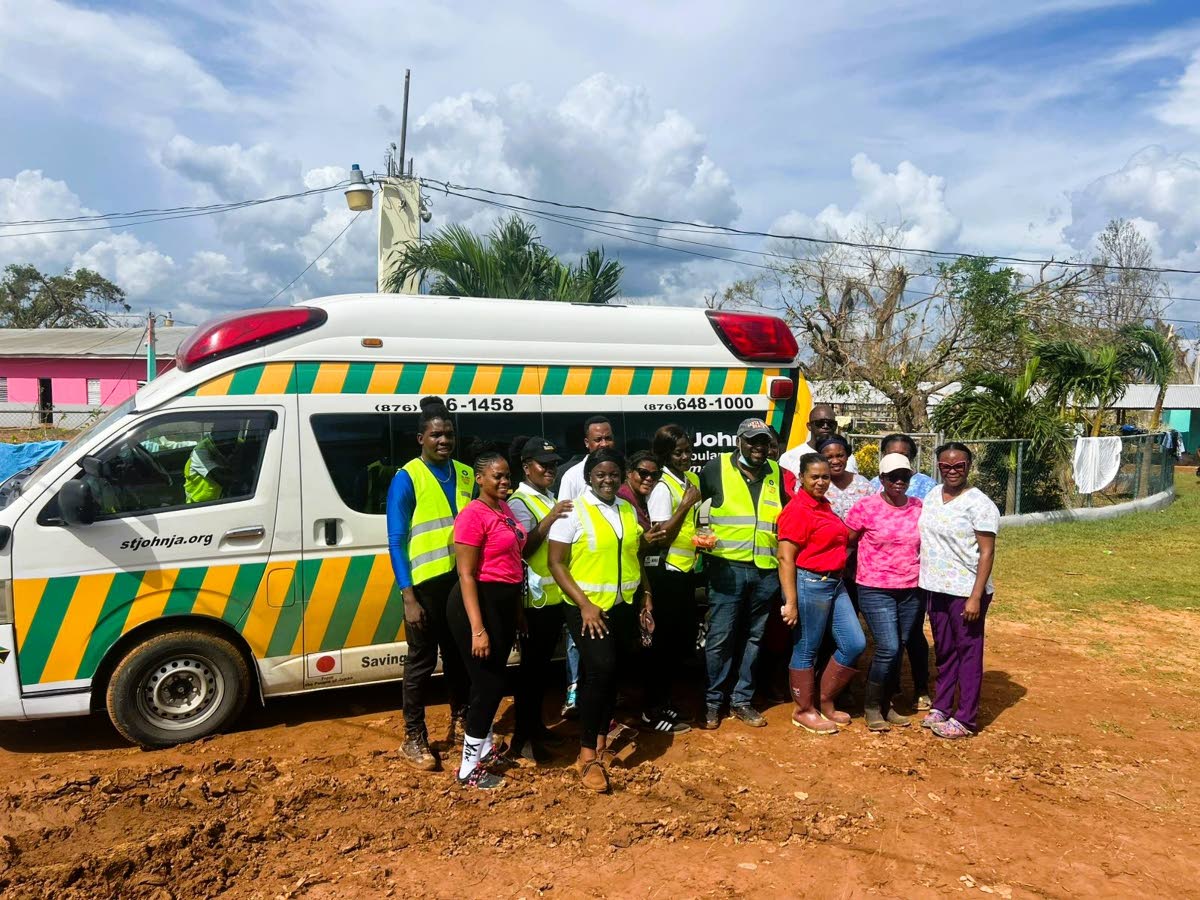 St John Ambulance medical team and volunteers pose for a photo during one of their visits to assist persons in western Jamaica parishes affected by Hurricane Melissa. Photo - Contributed
-
St John Ambulance medical team and volunteers pose for a photo during one of their visits to assist persons in western Jamaica parishes affected by Hurricane Melissa. Photo - Contributed
-
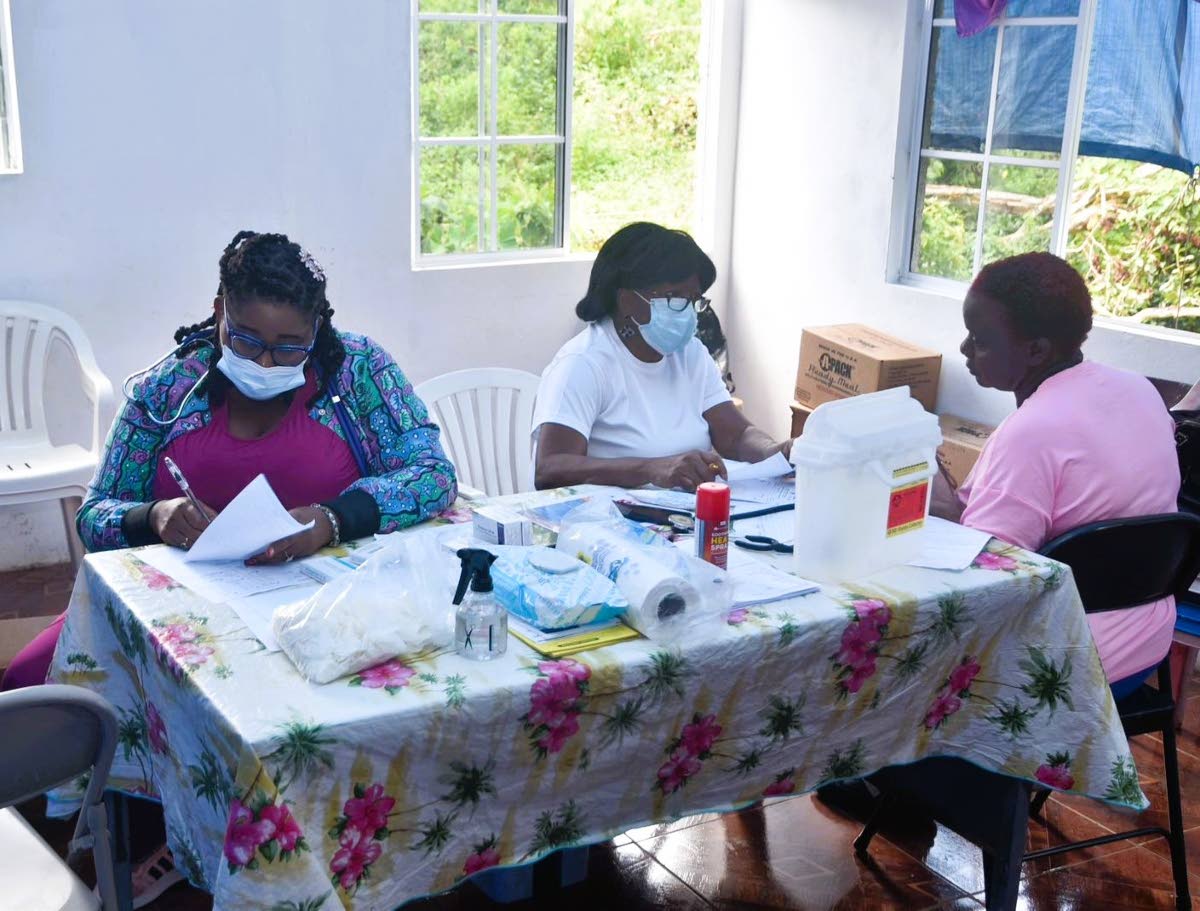 St John Ambulance medical team attends to a patient during one of their visits. Photo - Contributed
-
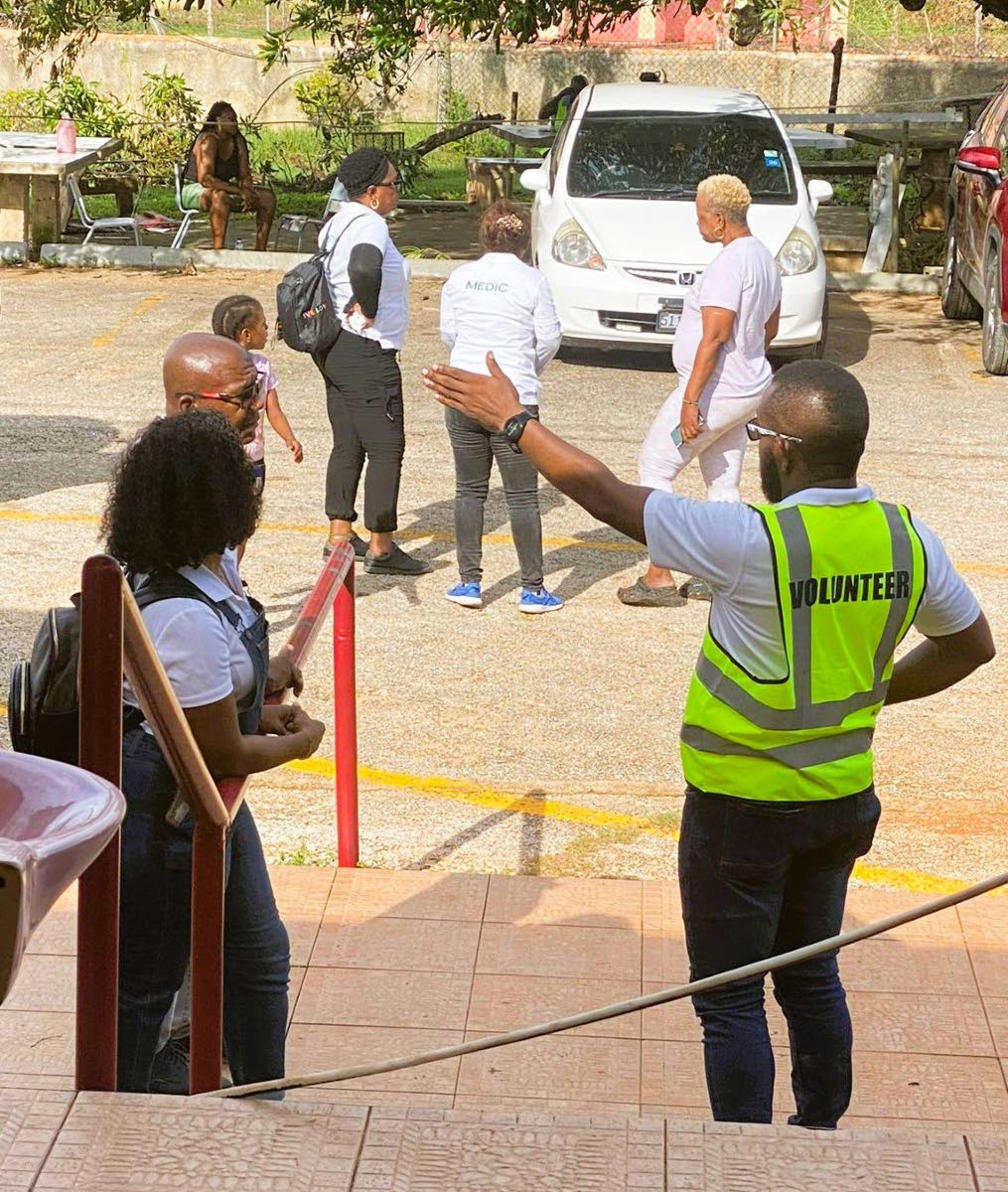 St John Ambulance volunteers get ready to assist those in the western parishes affected by Hurricane Melissa. Photo - Contributed
In the difficult weeks following the destruction caused by Hurricane Melissa, several communities across Jamaica were left struggling with damaged homes, blocked roads and disrupted access to healthcare.
In many rural districts across western Jamaica, reaching clinics or pharmacies became nearly impossible.
For many residents, help arrived, not through reopened health facilities, but through mobile medical teams from St John Ambulance Jamaica, whose volunteers travelled from community to community delivering urgent healthcare assistance to those affected by the Category 5 storm.
Working alongside partner organisations, the volunteers launched medical outreach missions across the hurricane-affected parishes of St Elizabeth, St James, Westmoreland and St Ann.
The teams treated injuries, supported displaced residents, and provided much-needed medical attention to communities that had effectively been cut off after the storm.
Chief executive officer of St John Ambulance Jamaica, Duane Ellis, lauding the spirit of volunteerism, said the scale of the volunteer response made it possible for the organisation to reach some of the most affected communities.
“The response by volunteers was overwhelming, which allowed us to provide targeted assistance where it was needed most,” Ellis said.
MOBILE CLINICS FILL CRITICAL GAP
Among the most significant elements of the organisation’s response were mobile medical clinics that travelled into rural communities where healthcare facilities remained closed or inaccessible.
According to St John Ambulance Jamaica, to date, more than 2,000 people have received treatment through these outreach missions.
Many patients required treatment for conditions that developed in the days following the hurricane, including infected wounds, dehydration and respiratory illnesses.
Doctors and trained volunteers also provided support for patients with chronic conditions.
Elderly residents who had lost access to medications for hypertension, diabetes and other illnesses were among those seeking urgent care, who were assisted by St John Ambulance volunteers.
Medical director of St John Ambulance Jamaica, Lorenzo Gordon, said disaster response must address more than immediate injuries.
“After a storm, the injuries are often visible, but there are many people who simply cannot get the medication they depend on,” Gordon said. “Our teams work to ensure that those patients receive attention as quickly as possible.”
The organisation’s outreach programme is expected to continue in the coming months as communities gradually recover from the hurricane’s impact.
LONG TRADITION OF SERVICE
For St John Ambulance Jamaica, has been serving Jamaica for more than a century.
Established on the island in 1899, the organisation is part of an international humanitarian network whose origins trace back to the Knights of St John in Jerusalem in the 11th century. Over the decades, St John Ambulance volunteers have responded to numerous national emergencies.
One of the earliest recorded responses came after the 1907 Kingston earthquake, when volunteers assisted injured residents following the devastating disaster that destroyed large sections of the capital.
Members of the organisation also supported medical services at Kingston Public Hospital during the years of World War II.
That legacy continues to guide the organisation’s mission today.
St John Ambulance’s motto – Pro Fide, Pro Utilitate Hominum – meaning ‘For the Faith, For the Service of Humanity’, reflects the ethos behind the work of its volunteers across the island.
COORDINATING RELIEF EFFORTS
Behind the scenes, coordinating the logistics of the hurricane response required extensive organisation.
Operations Manager Shanice Campbell has been responsible for managing the deployment of teams, ambulances and supplies. She works with ambulance drivers, trained medics and support staff to ensure the organisation’s field operations reach communities most in need.
Beyond disaster response, St John Ambulance Jamaica maintains a range of public health services.
The organisation operates an ambulance service that provides emergency medical transport for patients requiring urgent care. Volunteers also deliver first aid support at sporting events, public gatherings and community activities across the island.
Training remains another major pillar of the organisation’s work.
St John Ambulance Jamaica provides certification programmes in first aid, cardiopulmonary resuscitation, and basic life support to schools, businesses and members of the public.
Ellis said these training initiatives are essential because they increase the number of people who can respond during emergencies.
“Knowing how to deliver first aid or CPR can make the difference in those first critical minutes before professional medical help arrives,” he said.
COMMUNITY SUPPORT STILL NEEDED
As a registered charity, St John Ambulance Jamaica relies heavily on volunteers, donations and partnerships to sustain its programmes.
Members of the public can support the organisation by joining the volunteer corps, enrolling in training courses or contributing financially to help maintain initiatives such as the mobile clinics.
For communities still recovering from Hurricane Melissa, the presence of trained volunteers has brought both medical assistance and reassurance.
Mobile teams moving from district to district have delivered treatment, comfort and a sense of stability to residents coping with disrupted health services.
More than a century after its establishment in Jamaica, St John Ambulance continues to live by its founding principles.
As Ellis noted, the organisation’s volunteers remain the driving force behind its work.
“We cannot do this without the invaluable help of our volunteers,” he said. “They are the backbone of our organisation.”
The words of Mahatma Gandhi capture the spirit behind that service, “the best way to find yourself is to lose yourself in the service of others”.’
For the volunteers of St John Ambulance Jamaica, that journey of service continues every day.