Jamaican ganja growers cautiously optimistic amid reclassification by Trump
Loading article...
-
 Maurice Ellis, vice president of the Ganja Growers Association of Jamaica. Photo - File
-
Maurice Ellis, vice president of the Ganja Growers Association of Jamaica. Photo - File
-
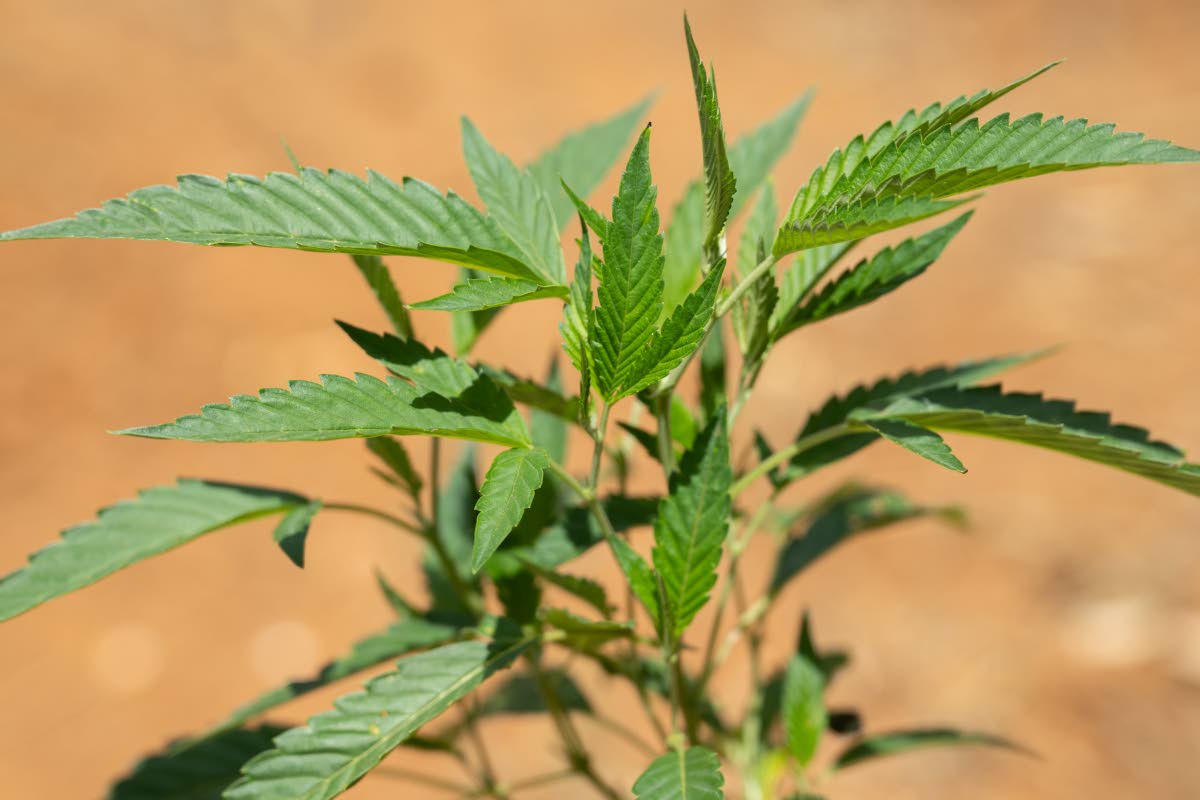
The ganja fraternity in Jamaica, while welcoming the recent decision by the United States (US) Department of Justice to reclassify certain cannabis products, is urging local producers to see it as both an opportunity and a warning.
Maurice Ellis, head of the Ganja Growers’ Association of Jamaica, said in a statement to The Gleaner that the reclassification under the United States Controlled Substances Act changes the operating environment for the global cannabis industry, and Jamaican farmers need to interpret it carefully.
“On the opportunity side, Schedule III status in the United States typically reduces research barriers, improves access to banking, and legitimises cannabis as a recognised medical commodity. This will likely accelerate product development, clinical validation, and international partnerships,” said Ellis.
He explained that, in practical terms, Jamaican growers could see future demand for compliant, traceable, and high-quality supply – especially if Jamaica positions itself credibly in the medicinal and export segments.
However, he warned that the competitive risks are more immediate.
“US operators will now have greater access to capital, tax relief, and institutional scale. That means faster consolidation, stronger supply chains, and lower production costs,” he pointed out.
Ellis noted that Jamaican farmers, particularly small and traditional growers, are not currently structured to compete at that level.
LOCAL FARMERS AT RISK
“The global market is about to professionalise rapidly, and Jamaica is behind on regulatory efficiency and farmer inclusion. Local farmers risk being squeezed out before they can participate,” he said.
He added that the advantage will go to jurisdictions that can organise quickly.
Delano Seiveright, minister of state in the Ministry of Industry, Investment and Commerce, and a key figure behind Jamaica’s medicinal ganja industry, told The Gleaner that the move by the US administration to reclassify cannabis from Schedule I to Schedule III places certain products under a different regulatory framework.
However, he cautioned that the move does not amount to full federal legalisation.
“Cannabis remains illegal at the federal level, and a number of restrictions still apply, including around interstate trade and broader commercial activities,” he said.
Acting Attorney General Todd Blanche signed an order on Thursday reclassifying state-licensed medical marijuana as a less dangerous drug.
The order moves marijuana from Schedule I to Schedule III, placing it in the same category as some pain medications, ketamine, and testosterone.
While this change aligns federal guidelines with many state laws, marijuana remains illegal at the federal level. It does not remove cannabis from the federal controlled substances list, legalise recreational use nationwide, or allow unregulated sales similar to tobacco and alcohol.
However, the move could allow for expanded research and ease many of the tax and regulatory burdens placed on the cannabis industry.
RIGOROUS RESEARCH
“These actions will enable more targeted, rigorous research into marijuana’s safety and efficacy, expanding patients’ access to treatments and empowering doctors to make better-informed healthcare decisions,” Blanche said.
He added that the Justice Department and the Drug Enforcement Administration would begin the process of potentially reclassifying all marijuana to Schedule III, with a hearing planned for late June.
“The new hearing will provide a timely and legally compliant pathway to evaluate broader changes to marijuana’s status under federal law,” stated a Justice Department press release.
The process of reclassifying marijuana began under the administration of former US President Joe Biden.
Seiveright said the reclassification was expected to support expanded research, reduce regulatory burdens on legitimate operators, and potentially open the door to further reforms over time.
“For Jamaica, this is highly relevant. We have been steadily strengthening our own regulatory framework, and recent amendments have expanded access and improved efficiency, including longer licence periods,” he said, noting that the local cannabis industry is not standing still.
He added that efforts will continue to ensure Jamaica is well positioned to take advantage of emerging opportunities.
editorial@gleanerjm.com