Earth Today | Smarter coastal development a must
Loading article...
-
 x
x
-
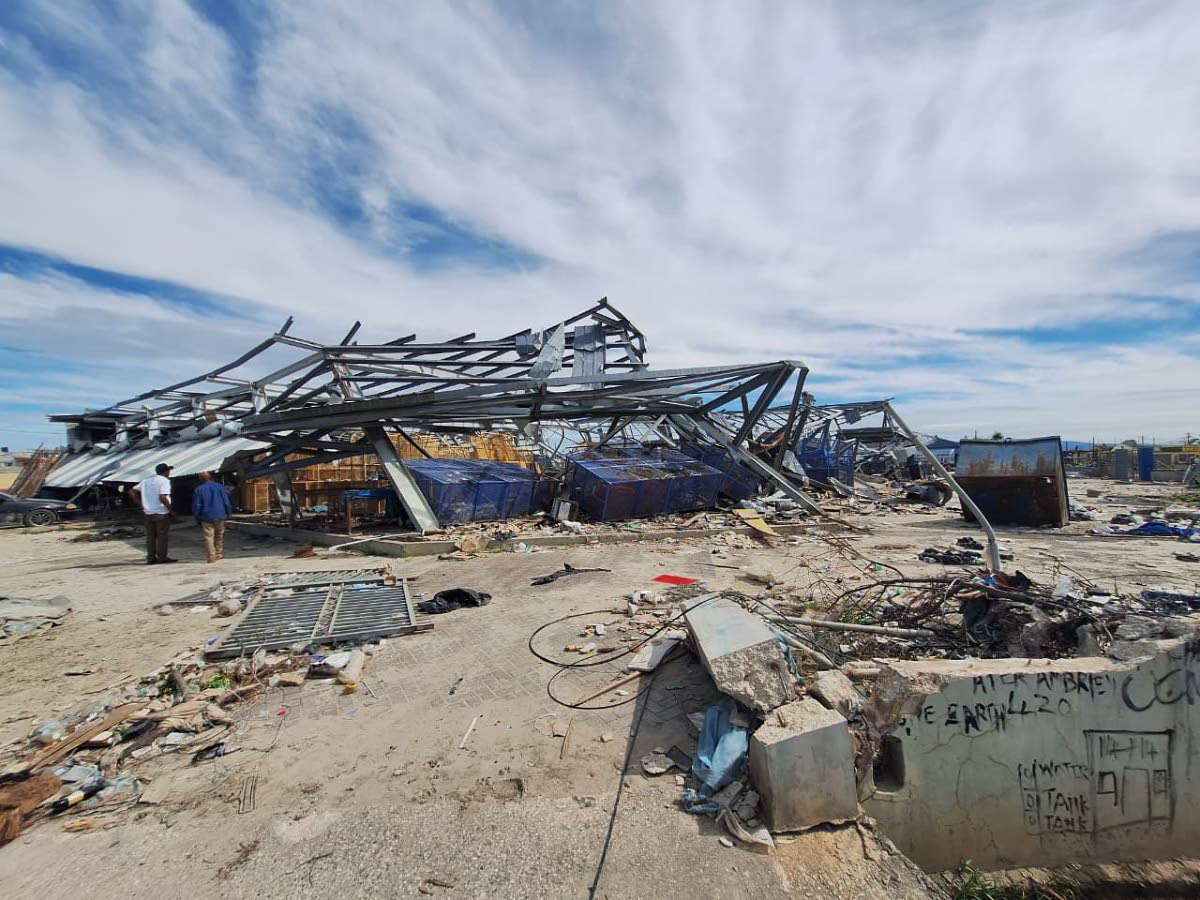 The mangled remains of the Black River Market in St Elizabeth following the passage of Hurricane Melissa on October 28, last year.
-
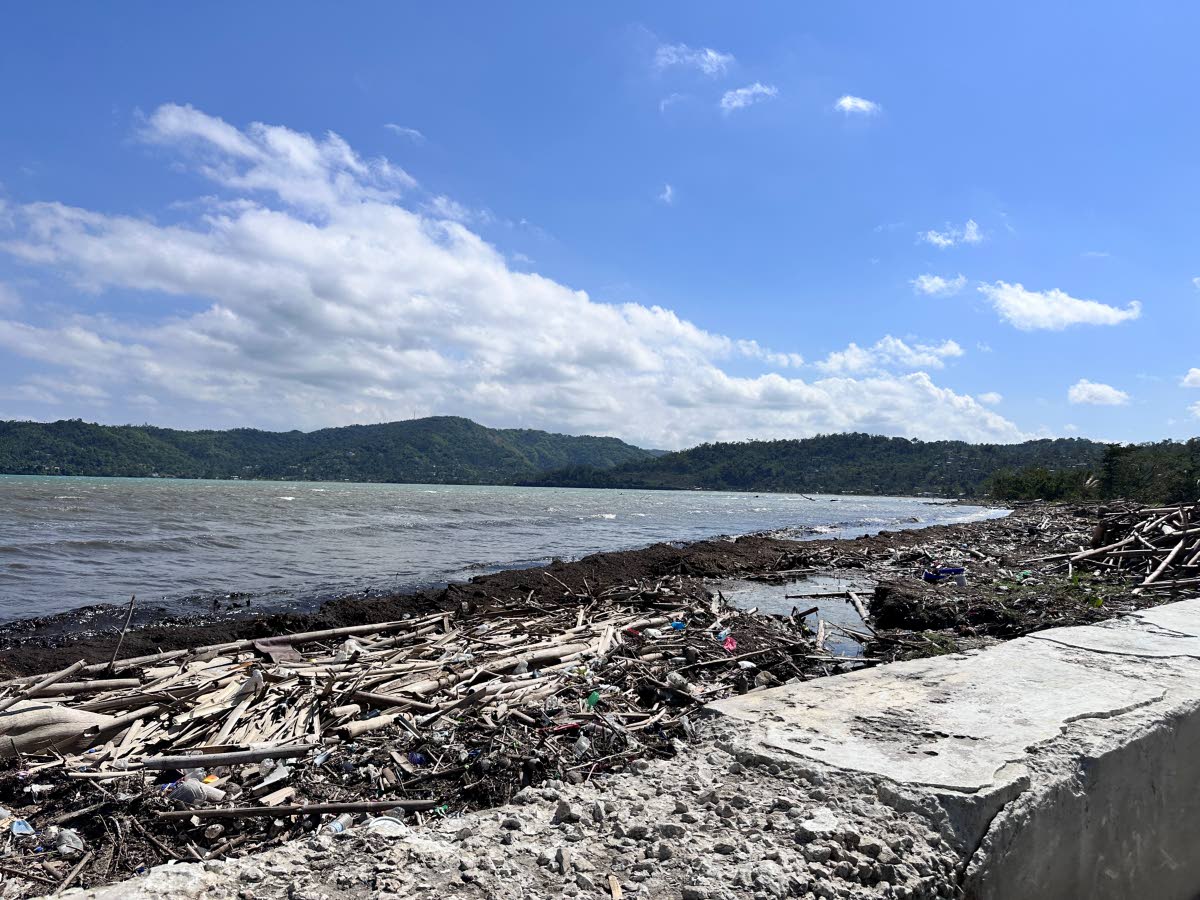 The Lucea coastline showing mounds of debris and silt
THE LATEST edition of the Global Environment Outlook has highlighted the need to rethink coastal development – a move that is given urgency by the 2.5 billion people living in coastal regions globally, together with pressing climate realities.
Only last October in Jamaica, coastal communities were devastated by the passage of Hurricane Melissa, a category five storm that claimed lives, compromised livelihoods, and left billions of dollars in damage from catastrophic flooding, wind and rain.
“Coastal development can provide economic benefits and recreational opportunities, but it also poses significant environmental challenges, including habitat loss and degradation, pollution, erosion, sedimentation, and conflicts with other uses of the coastal zone,” revealed the report, which was published by the United Nations Environment Programme last December.
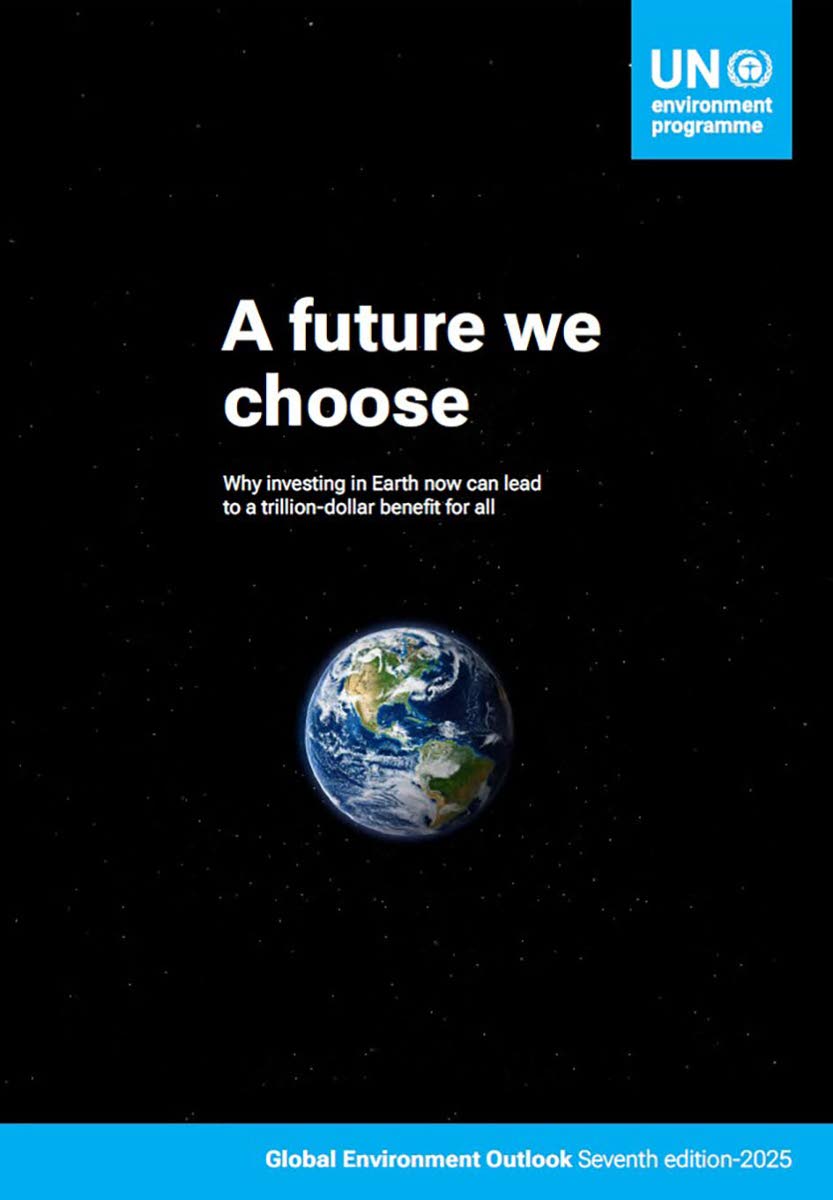
According to the report, titled A future we choose: Why investing in Earth now can lead to a trillion-dollar benefit for all, key issues include “sea level rise, safety, aquaculture, tourism, shipping, and sustainable ecosystems”. Coastal fisheries and aquaculture, along with waste from inland fisheries, it noted, are themselves major global management issues.
“The coastal environments in which aquaculture is practised, for example in the mangroves of Indonesia, Brazil and Malaysia, and sensitive ford ecosystems such as those of Norway and Chile, are increasingly threatened by overuse,” the report explained.
It noted that some 25% of the world’s reefs are threatened by coastal development and associated pollutants even as the construction of artificial structures, including “harbours, beaches and sea walls, especially in terms of land reclamation and artificial structures in the sea”.
To help solve the problem, the report suggested, among other things, the prioritisation of nature-based solutions. Nature-based solutions are concerned with making best use of nature to solve societal problems while offering benefits to both people and the environment.
“To reduce reliance on artificial surfaces, new strategies such as controlled flooding, innovative materials and structure recycling need further research. Nature-based solutions need to be increasingly utilised in new marine structures,” the report said.
Also important is an enabling legislative environment.
“Policies, regulations, incentives and governance arrangements at different levels also influence coastal development. In order to avoid conflicts of interest, multidimensional and international cooperation, as well as resource studies, ending in globally useful legislation, are urgently required,” it said.
A renewed focus on sustainability and the implementation of strong joint governance is needed to address various conflicts of interest,” the report added.
pwr.gleaner@gmail.com