St Catherine school farms weather drought
Loading article...
-
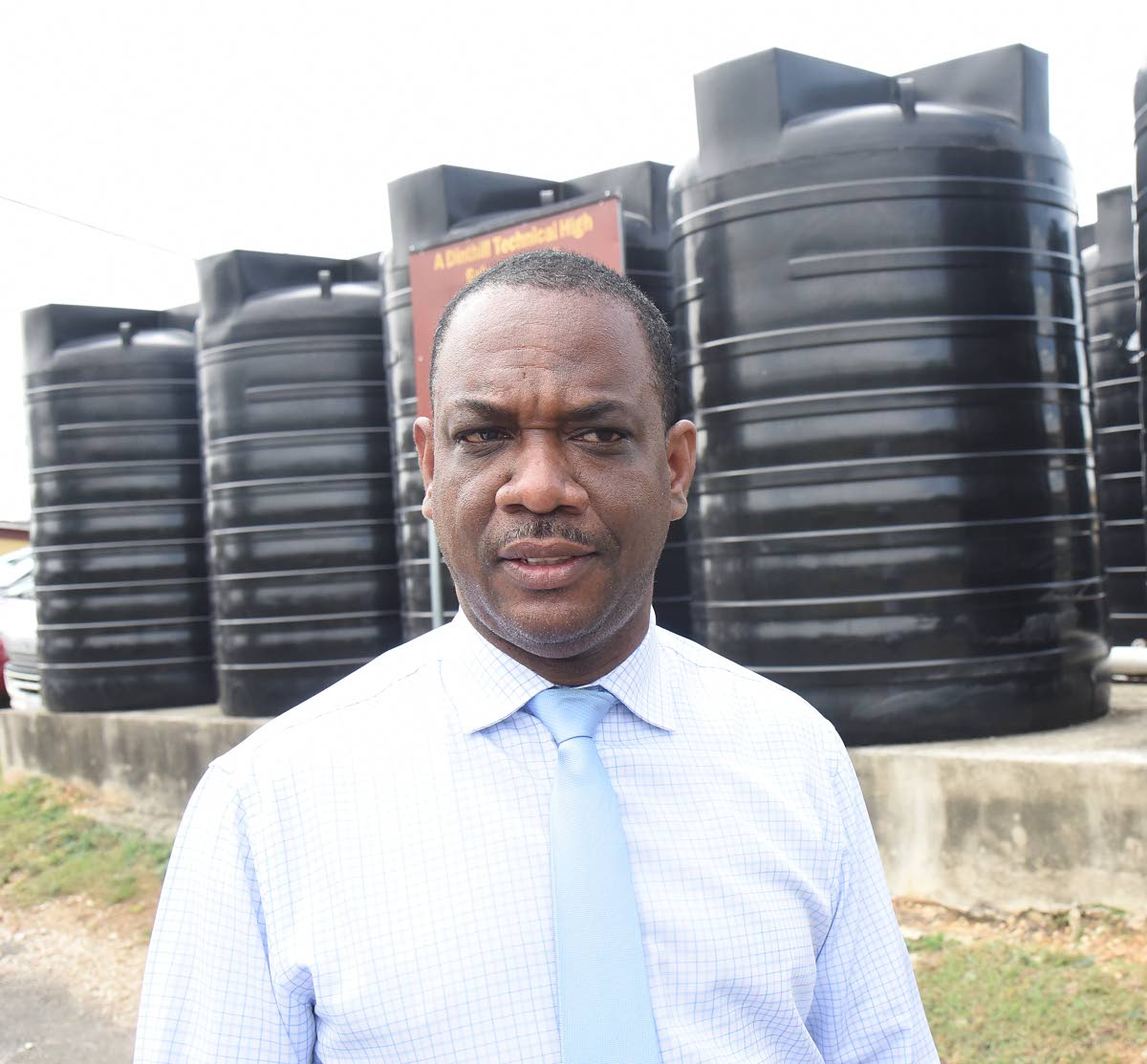 Anthony Garwood, principal, Dinthill Technical High School. Photo - Ian Allen
-
Anthony Garwood, principal, Dinthill Technical High School. Photo - Ian Allen
-
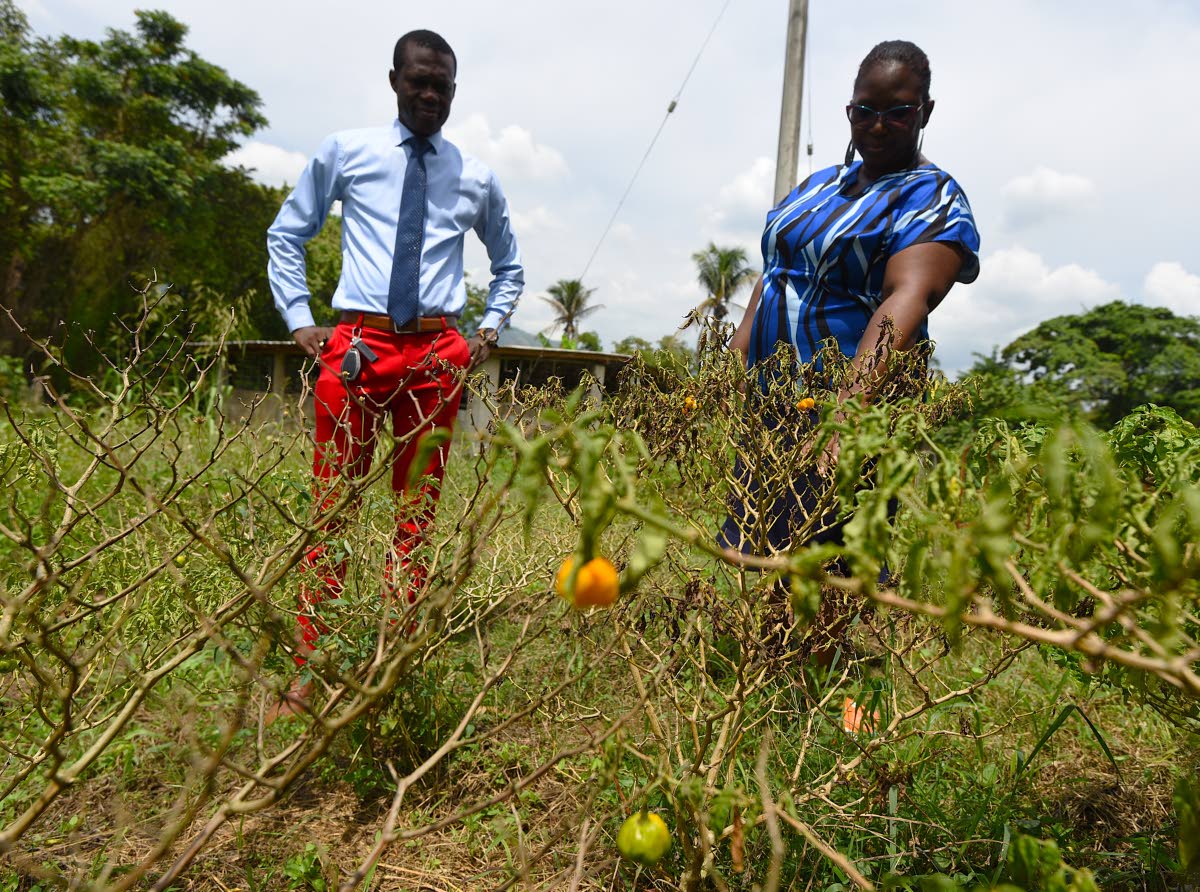 Valdin Legister (left), vice-principal of Charlemont High School, and Kadian Barnett, head of the Agricultural Science Department, examine drought-damaged Scotch bonnet pepper plants on the school’s farm. Photo - Ian Allen
-
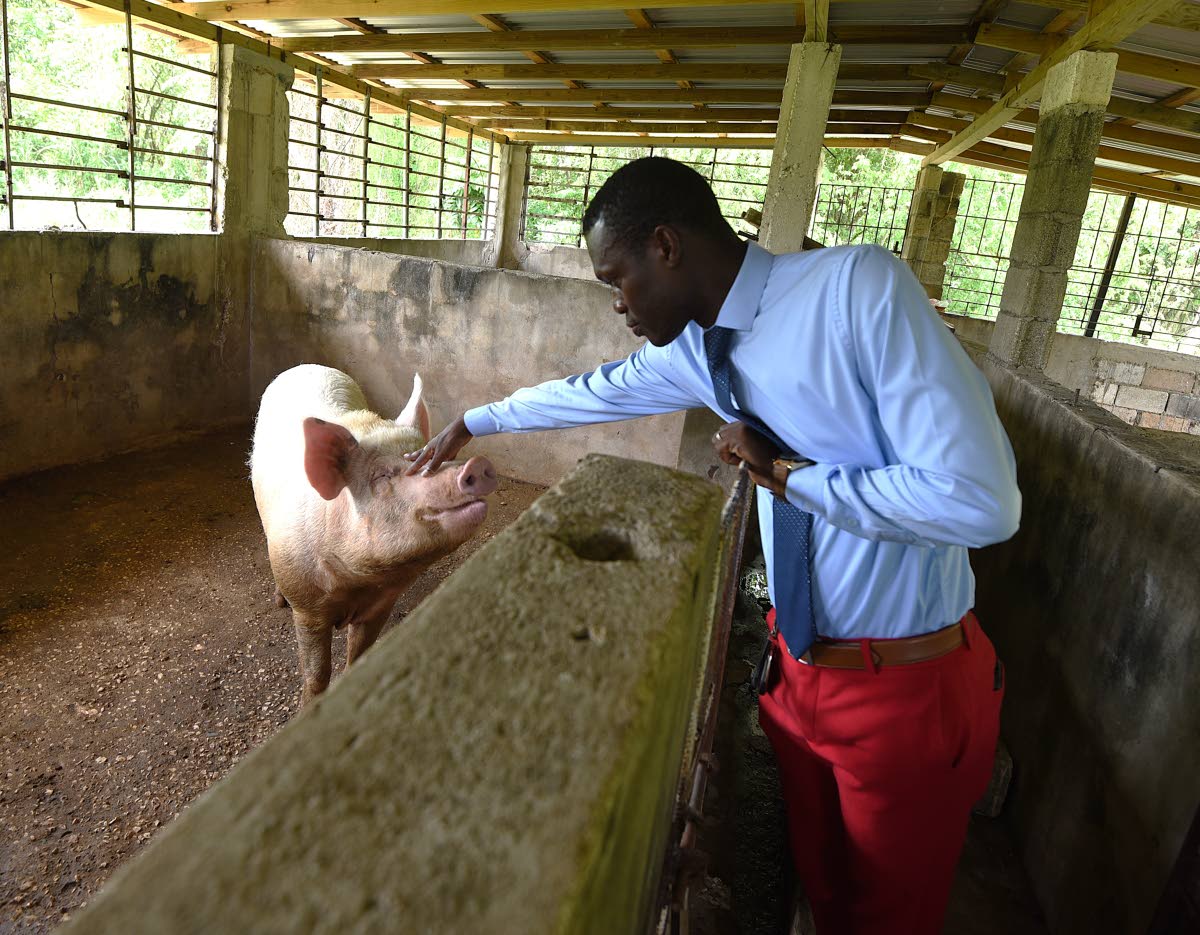 Valdin Legister, vice-principal of Charlemont High School, pets a pig on the school’s farm. Photo - Ian Allen
The prolonged drought affecting St Catherine has disrupted school farms across the parish, delaying planting schedules, reducing some crop and poultry yields and making land preparation increasingly difficult for students and teachers.
At Dinthill Technical High School in Linstead, one of Jamaica’s leading agricultural schools, the dry spell has exposed the limits of even a well-supported irrigation system.
The school relies on drip irrigation, rainwater harvesting and storage tanks to sustain agricultural production. Those systems have helped to protect output, but they have not shielded the farm entirely from the effects of months without rainfall.
Head of the school’s Agricultural Science Department, Overton Grant, said the drought had not severely affected overall agricultural production, but it had delayed preparation of farmland for the new planting season.
“Normally, by this time we would have started our land preparation already, but the time was too dry for us to start the ploughing,” Grant told The Gleaner.
The school would typically begin land preparation in September when students return from the summer break, with planting following shortly afterwards.
Grant said the drought had delayed land preparation and postponed sowing, though rainfall over the past few days had allowed the school to begin preparing for the planting season.
He said that while the irrigation system had helped the school maintain its crops, the lack of rainfall remained a challenge.
The extreme heat has also affected the school’s poultry operation, reducing production at a time when Dinthill is among the suppliers of chicken to Caribbean Broilers.
Despite those challenges, Principal Anthony Garwood said the farm has continued to provide produce for the school’s breakfast programme.
At Charlemont High School, however, the impact of the drought has been more pronounced.
Scotch bonnet peppers, bananas and plantains are among the crops affected by the prolonged dry conditions.
Head of the Agriculture Department, Kadian Barnett, said the school avoided even greater losses because it typically allows much of its farmland to lie fallow during the summer break before the start of a new planting cycle. leaving only hardier crops in the field. However, the prolonged drought had taken a heavy toll on those crops, resulting in poor sweet pepper yields and the near-total loss of its hot pepper crop.
The drought has also hindered the development of banana and plantain crops. Barnett said the trunks had not developed sufficiently to support large bunches.
Dry conditions have created additional challenges for students undertaking School-Based Assessments in Agricultural Science.
“Even our Grade 11 students who have started their SBA [School-Based Assessments], just clearing the land to sow seeds was a challenge,” Barnett noted.
Although some rain has fallen recently, she said, it has not been enough to significantly replenish soil moisture.
Because of the prolonged dryness, much of the rainfall evaporated or ran off before adequately penetrating the soil, she explained.
If conditions persist, the school may have to rely more heavily on the public water supply, which Barnett said is inconsistent.
The effects of the drought extend beyond the farm.
Charlemont’s football field has also suffered. Vice-Principal Valdin Legister, who is also a football referee, said the school’s usually lush surroundings had been scorched by the prolonged dry spell.
“This area is known for getting a lot of rainfall but, this year, you can see the effect of the drought, just walking out looking at the grass, you will see that the vegetation is scorched,” he said.
Yet, neither school has so far seen its feeding programme disrupted.
At Dinthill, produce from the farm continues to supplement the breakfast programme. Charlemont has also maintained supplies to its concessionaire, despite reduced agricultural yields.
ruddy.mathison@gleanerjm.com