Former Air J plane bombed in Iran - Pilot recalls good times flying ‘Mike Papa’ from Jamaica to UK, wants reintroduction of national airline
Loading article...
-
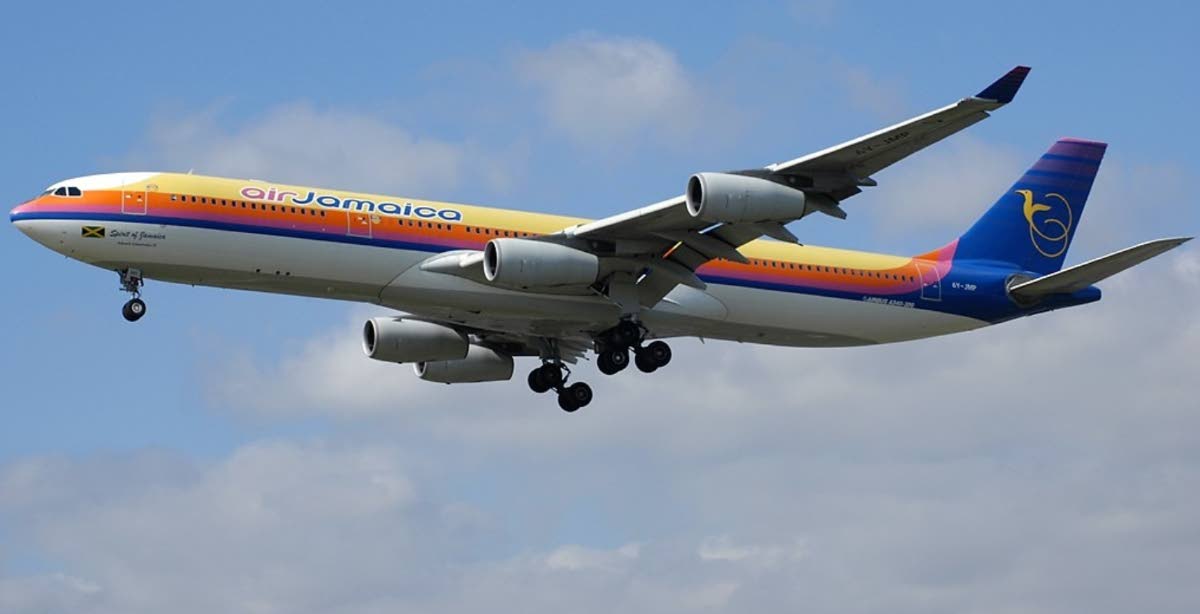 The former Air Jamaica plane bombed in March seen here at London Heathrow in the United Kingdom on June 17, 2005. Photo - Photo by Thomas Noack
-
The former Air Jamaica plane bombed in March seen here at London Heathrow in the United Kingdom on June 17, 2005. Photo - Photo by Thomas Noack
-
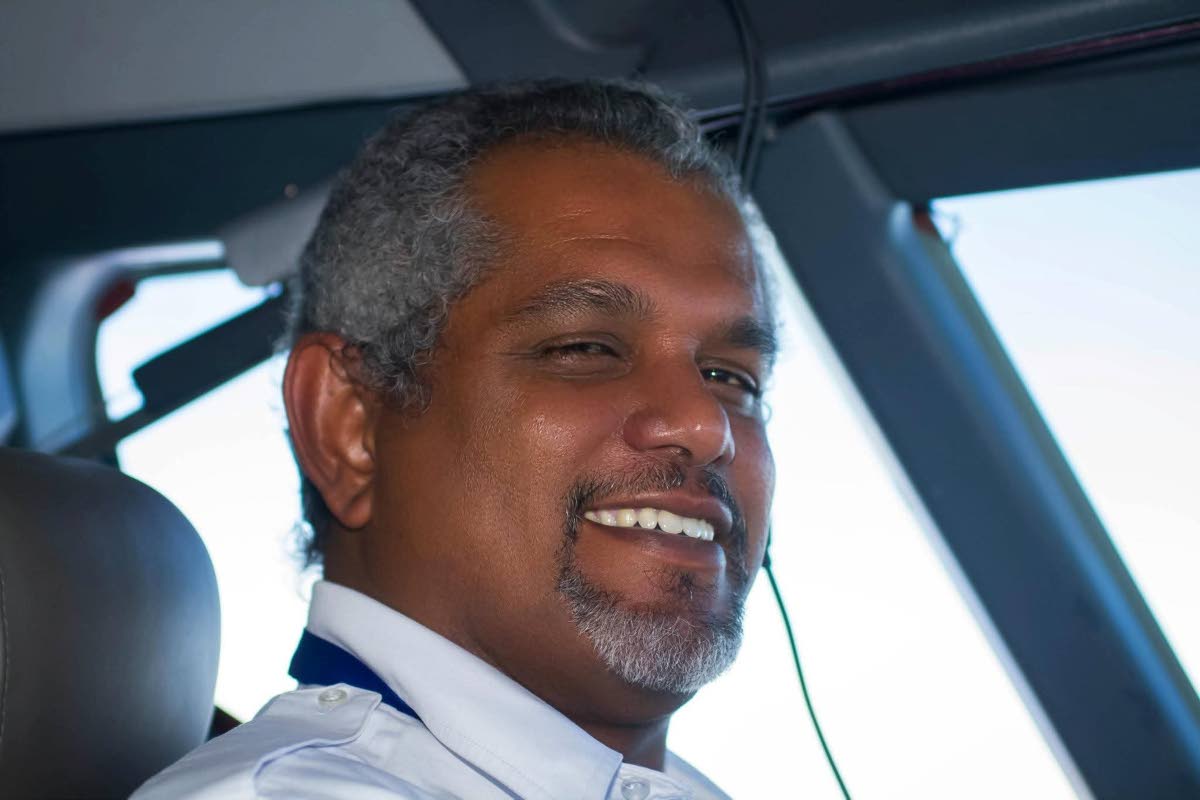 Edward Miller, former Air Jamaica pilot. Photo - File
When the Israeli Air Force reported the destruction of Iran’s presidential VIP Airbus A340-300 often dubbed ‘Iran Force One’ during a military strike in Iran in March of this year, the repercussions were felt beyond the Middle East, reaching Kingston, Jamaica.
The long-range jet was once in the fleet of the now-defunct Air Jamaica. And for veteran aircraft pilot Edward Miller, who regularly captained the airplane on flights from Jamaica to London and Manchester in the United Kingdom, news of its demise hit a personal chord.
“When an airline is that small, you develop a connection with the aircraft. In fact, you might find some of us walking and talking to the airplane. We are not crazy,” he told The Gleaner, laughing as he reflected.
“So you do have a personal attachment and sentiment. To hear it has been destroyed, it’s saddening,” Miller said.
He recalled that the plane – EP-IGA – was one of three A340-300 airbuses in the fleet of about 21. The first one was leased to the airline around 1999 and was used for flights to New York. It was given the name ‘Mike Charlie’, Miller recalls, and he flew it exclusively for about a year.
“I operated that aircraft (Mike Charlie) six days a week, and one day, I think it was Wednesday night or Thursday, it would go in and do maintenance,” he said. “The aircraft was reliable, very comfortable. The leg room on the airplane was very good.”
He said Air Jamaica’s routes grew to the point where two more A340-300 – the wide-body quadjet airliner known for its smooth, quiet ride and distinct four-engine design – were added to the fleet around March in 2002.
These were given the names ‘Mike Mike’, and ‘Mike Papa’. ‘Mike Papa’ was the one destroyed in the strike.
BETTER PERFORMING PLANE
These airplanes, he said, had bigger engines and better performance, and flights to London increased to above 10 times per week. Flights also extended to Manchester and New York, using those aircraft.
“One of the most amazing experiences is driving on the ramp to London and seeing the three 340s parked beside each other. I get goosebumps when I think about it,” he said. “With Air Jamaica and the colours, they were so eye-catching that you could not go into at least one industry magazine every month and not see a picture of Air Jamaica – an airplane.”
Air Jamaica was known for its bright colours, which set it apart from any other airlines. The planes were painted in a vibrant rainbow colour scheme featuring a bright yellow upper fuselage paired with bold red and blue stripes running along the body.
Mike Papa had originally spent two years with Air Canada before being acquired by Air Jamaica in 2002, serving until 2007. Since then, it flew in the fleets of airlines such as Air Canada, Turkish Airlines, and AirBlue before being acquired by the Iranian government in 2015. It then operated as that country’s version of the United States’ ‘Air Force One’, used by senior government officials and the Iranian presidency for long-haul international diplomatic missions, including to the United States.
It was destroyed in a military strike while parked at Tehran’s Mehrabad International Airport on March 15.
Miller, who worked with Air Jamaica for 13 years, said when he was employed in 1997, he was one of the first direct-entry co-pilots since 1971 as everyone prior to that had been engaged as second officers or flight engineers.
In 2004, he was made captain.
With 43 years in the aviation industry, including an eight-year stint in which he lived in Saudi Arabia, Miller said his career has been fuelled by passion. This has led him to become involved in various organisations, advocating for the growth of Jamaica’s aviation industry.
For Miller, the ultimate dream would be to see the reintroduction of a local airline.
“We are a mere shadow of what we used to be, so one of my goals is to try and advocate for the industry and get in place the correct type of environment for it to thrive,” he said, noting that he also teaches at a flight-training institution.
The Trinidad and Tobago-based Caribbean Airlines acquired Air Jamaica in 2011 as unsustainable financial losses and debt made it inoperable for the Jamaican Government.
Miller argued that for Jamaica, there would be “significant value in having its own airline” not just contributing significantly to tourism but also impacting other sectors of the economy such as air cargo and diaspora travel.
Further, he said it could also decrease the price of tickets to and from Jamaica.
“There is a lot of potential there, whether it is to serve the region, to serve the North America market, potentially Europe. Africa is becoming an attractive destination. It is the largest growing economies now in the world, and they have a lot of money to spend. Connecting South America could be of benefit,” he said.
sashana.small@gleanerjm.com