Small library, big breakthrough - New Broughton Primary turning page on literacy challenges one book at a time
Loading article...
-
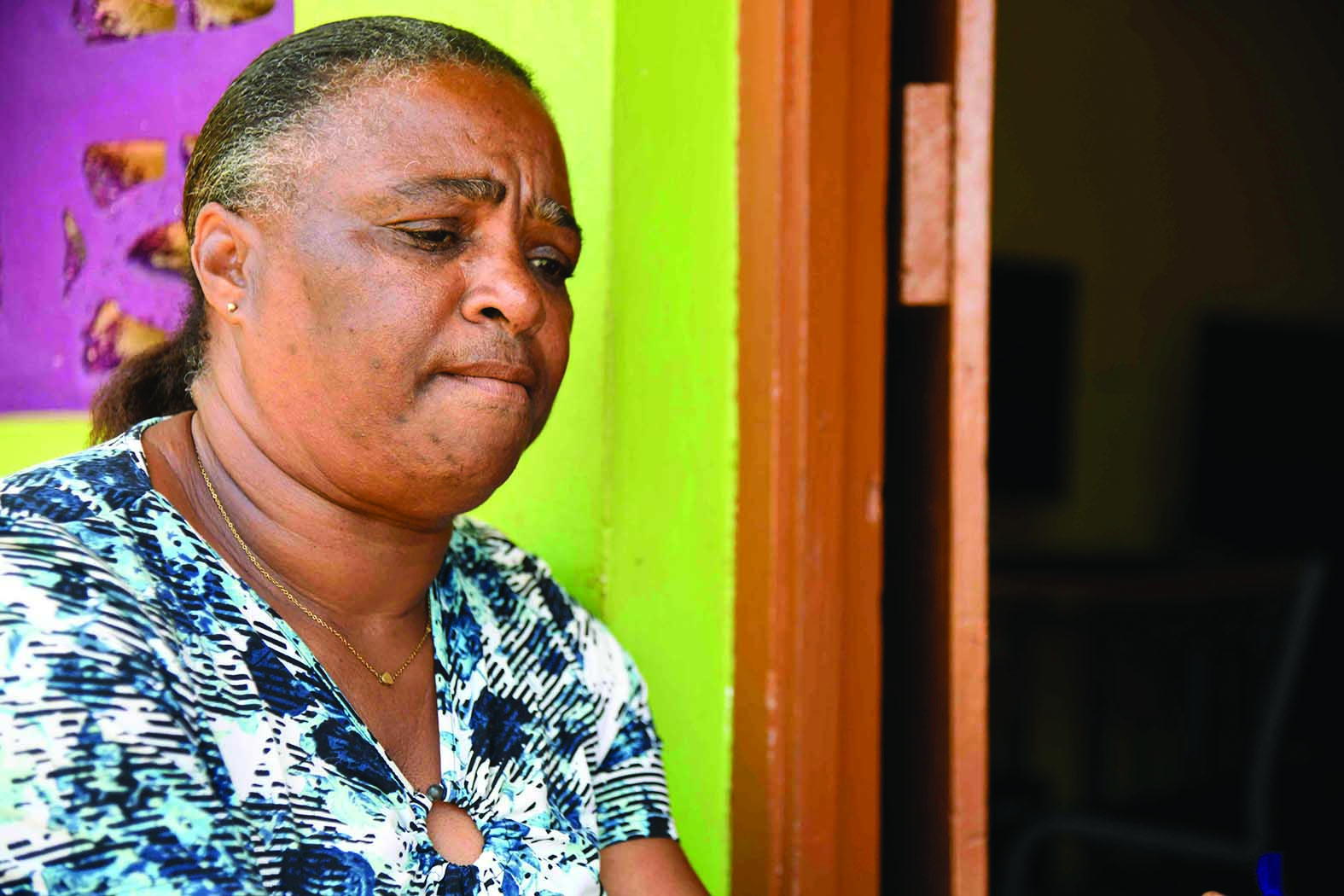
 Retired librarian Donna Hinds described the closure of the Marlie Hill community library after 62 years as a significant loss.
-
Retired librarian Donna Hinds described the closure of the Marlie Hill community library after 62 years as a significant loss.
-
-
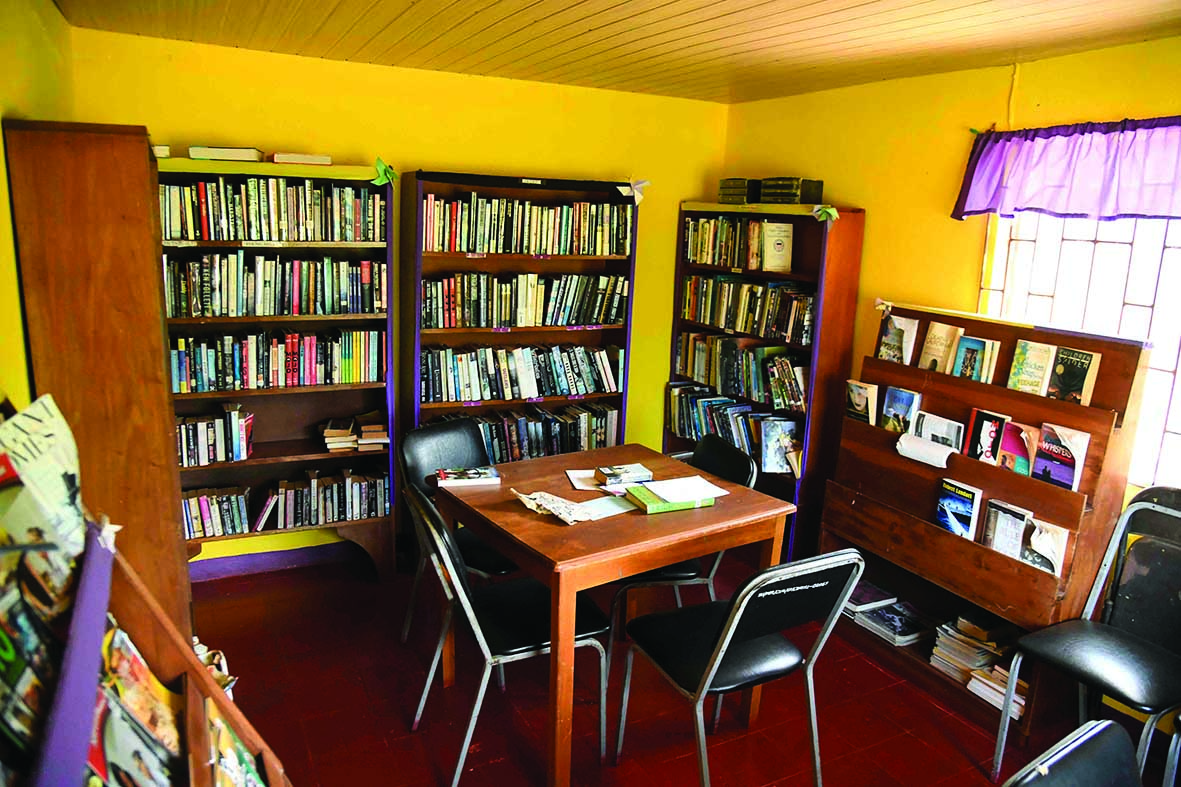 A corner for quiet, comfortable reading at the small community library.
-
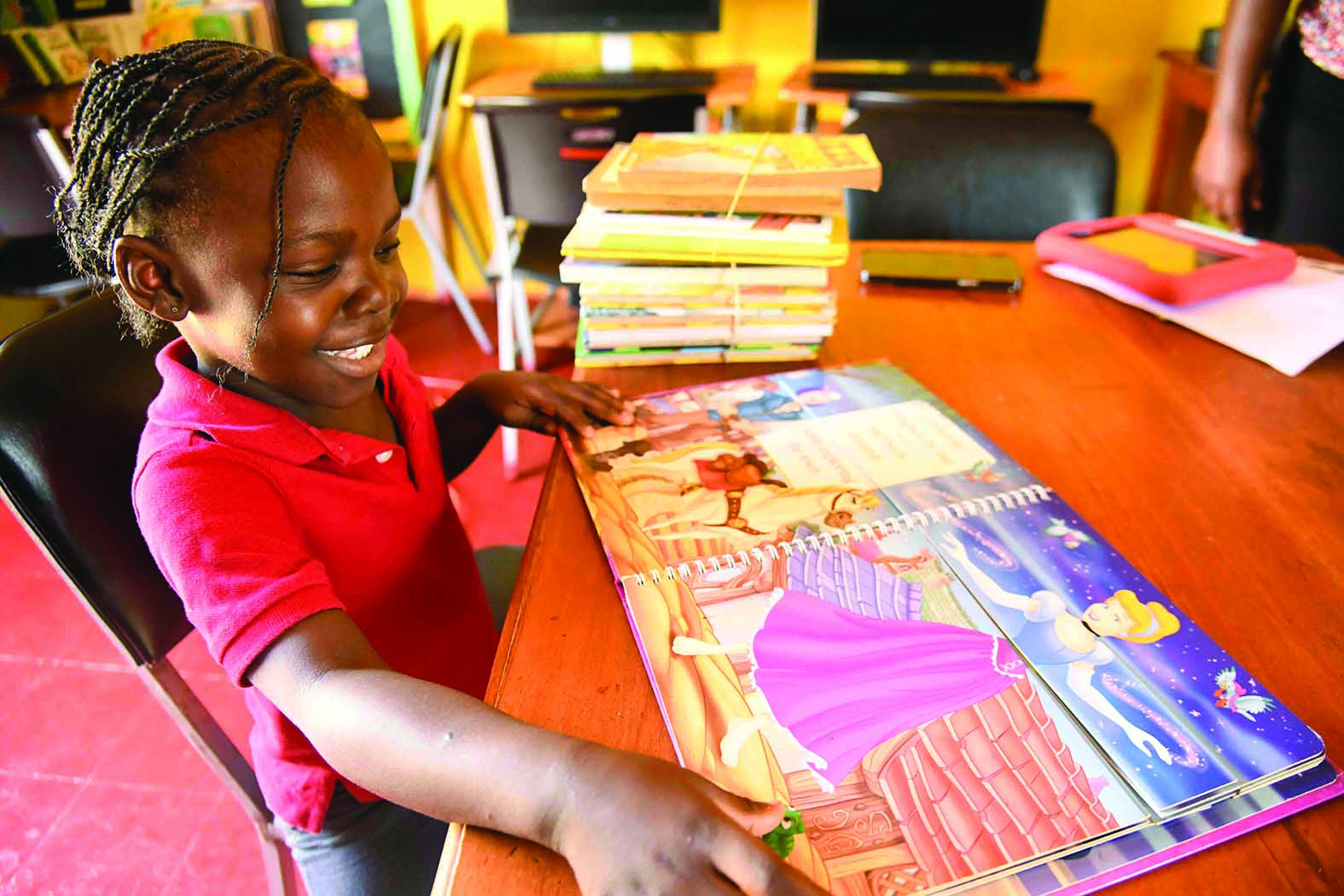 Photos by Antoine Lodge/PhotographerFour-year-old Skye is all caught up in the magical world of the princess.
-

-
 Four-year-old Skye is all smiles as she spots one of her favourite princess books on the shelf at the Cross Keys Branch Library in Manchester.
-
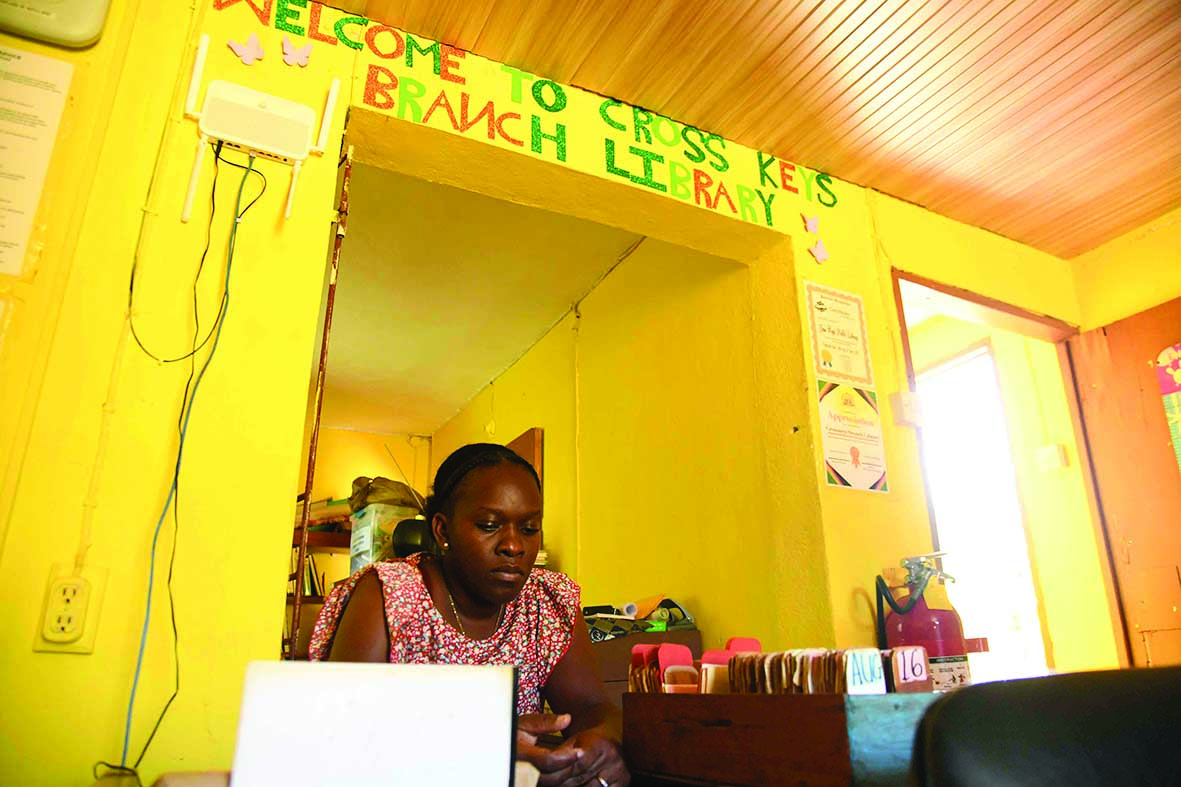 Shene Williams-Thomas, records clerk at the Cross Keys Branch Library in Manchester, sits ready to welcome the next visitor to a world of knowledge.
-
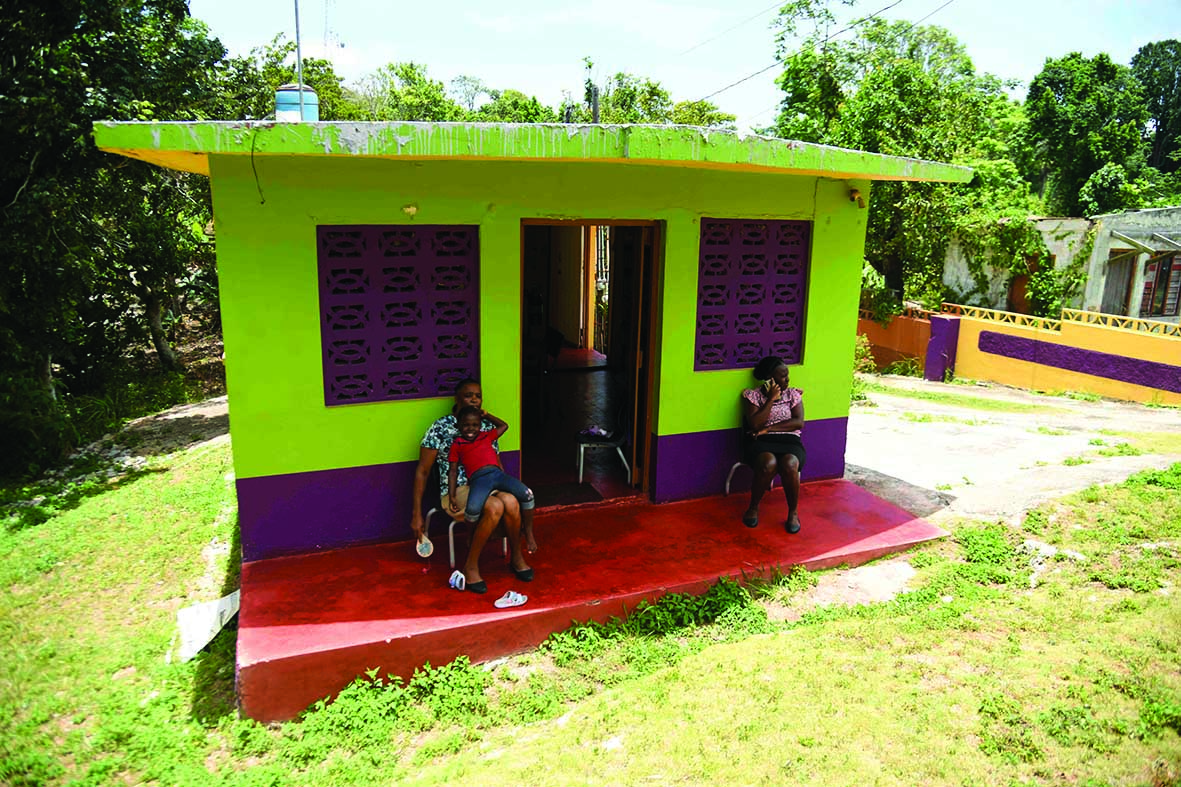 Four-year-old Skye and her grandmother Christine Powell sit on the verandah of the Cross Keys Branch Library in Manchester with records clerk Shene Williams-Thomas.
A partnership between New Broughton Primary School and the Cross Keys Branch Library in Manchester is producing encouraging results in improving children’s reading levels.
The modest library building is tucked away from the town square on the road leading to New Broughton. Although traditionally associated with reading and research, the facility has evolved into a multi-purpose community resource centre, functioning as a computer café, homework centre, and a research and printing hub. Desktops, laptops and tablets are available for use when electricity outages do not interrupt operations.
While some of the additional services are not heavily utilised, they remain important offerings, according to records clerk Shene Williams-Thomas, who revealed that a remedial reading programme has become one of the library's most impactful initiatives.
Williams-Thomas said the initiative began when a teacher from New Broughton Primary sought assistance in finding books suitable for students who were reading below their grade level. Together, they devised a solution: if the children were not coming to the library, the library would go to them.
“I believe the library has been here since 2006, which is 20 years ago. I started working here in 2015,” she told The Sunday Gleaner before explaining how the remedial programme works.
“I assist students who are not able to read properly. If they come in – or if the parent asks or the teacher might ask you to assist them with reading – I would search for books that would help them based on where they are [academically]. The teachers give me the reading levels and I go into the collection and select books for them. Because they are not coming to the library as often as they should, I take the library to them,” Williams-Thomas said.
“The teachers normally take the books to them or I will take [selections] to them to be used as part of the reading programme. Library work is kind of teaching now,” stated the records clerk.
According to Williams-Thomas, most students are picked up from school by parents or taxi operators, making it difficult for them to visit the library regularly.
“Since they do not come as often, I send the books to school and have the teachers distribute them. If you notice on the table, there are some books. Those are for the children,” she said when The Sunday Gleaner stopped by on June 3.
Each book is assigned to a specific student, with names written on the covers, chosen based on that student’s interests. Stacked on a nearby table were date cards and a stamp marked June 24, indicating the return date for books distributed that day.
At present, New Broughton Primary is the main beneficiary of the initiative because of its proximity to the library. No decision has yet been made about extending the programme to other schools.
Principal Ian Crawford said the initiative has delivered significant improvements since its introduction two years ago.
“It started initially with my grade three teacher, who saw the need. But she was doing it more or less quietly, and she told me about it, getting books from the library and taking them to school.
“It was a class initiative, but, I said, let’s make it school-wide,” said Crawford.
The principal said he was moved to expand the initiative after examining the results of diagnostic exams and end-of-term tests and realising that most students were reading below their grade levels.
“So I said to parents in the grade meetings, ‘Look, we have to get these children to join the library.’ Plus, we have the reading programme at school and they (the library) have the summer programme,” he told The Sunday Gleaner, noting the year-round support available.
“I have also told the teachers that the books are not just for reading, but comprehension, and the teachers must monitor the students so they can question them for understanding,” he explained.
Reflecting on his own childhood, Crawford noted that reading was once a common pastime.
“In our days growing up, reading was what we did,” he said, despite acknowledging the many distractions facing children today.
The results so far, he said, have been impressive.
“Great improvement. Students who couldn't, for example, sound letters are now able to do so and move on to reading. If I should look at the same group, the majority of them are reading at grade level. Seventy to 80 per cent of the class is reading at the required level. So we have seen great improvement,” he stated.
Crawford credited dedicated teachers for the programme's success, singling out Miss Edwards, Mrs Copeland and Miss Curtis, who regularly arrive early to conduct morning reading sessions.
Mrs Copeland, who teaches grade one, also volunteers her time on Saturdays and after school.
“Mrs Williams-Thomas will come to school. She will read to the children when we have Read Across Jamaica Day, and she’s quite accommodating, too. She makes every effort to help our children,” said Crawford of the library’s records clerk.
The library caters to all age groups, from toddlers to adults, although primary school children make the greatest use of its services.
It operates Monday to Friday from 9 a.m. to 5 p.m. and hosts an annual summer programme, typically lasting two weeks, built around the National Reading Competition theme. This year's theme is ‘Together We Read, Together We Write’, with activities designed to reinforce that message.
The Cross Keys Branch Library currently has approximately 200 active members.
Among its young visitors is four-year-old Skye, who recently visited with her grandmother, Christine Powell. She eagerly selected books featuring princesses, focusing intently on the main character.
The library receives books and supplies through donations and support from the parish library.
Elsewhere, however, the outlook for community libraries is less encouraging.
In Marlie Hill, retired librarian Donna Hinds described the closure of the community library after 62 years as a significant loss. The facility began on the verandah of her late mother, Louise Morgan, before moving into a room that served as the vestry of the nearby United Church. Following hurricane damage, it relocated to another building on the church compound.
“It was eventually closed. But, a family, who has benefited significantly from the library, has decided to reopen it, but as a private facility. It will not be under the aegis of the Jamaica Library Service. There are scores of returning residents, and other older persons who used the library in their youth, and can still use it. It will also provide companionship for many,” she said.
Plans are in the early stages, however.