Jamaica belongs to Jamaicans... with a permit
Loading article...
-
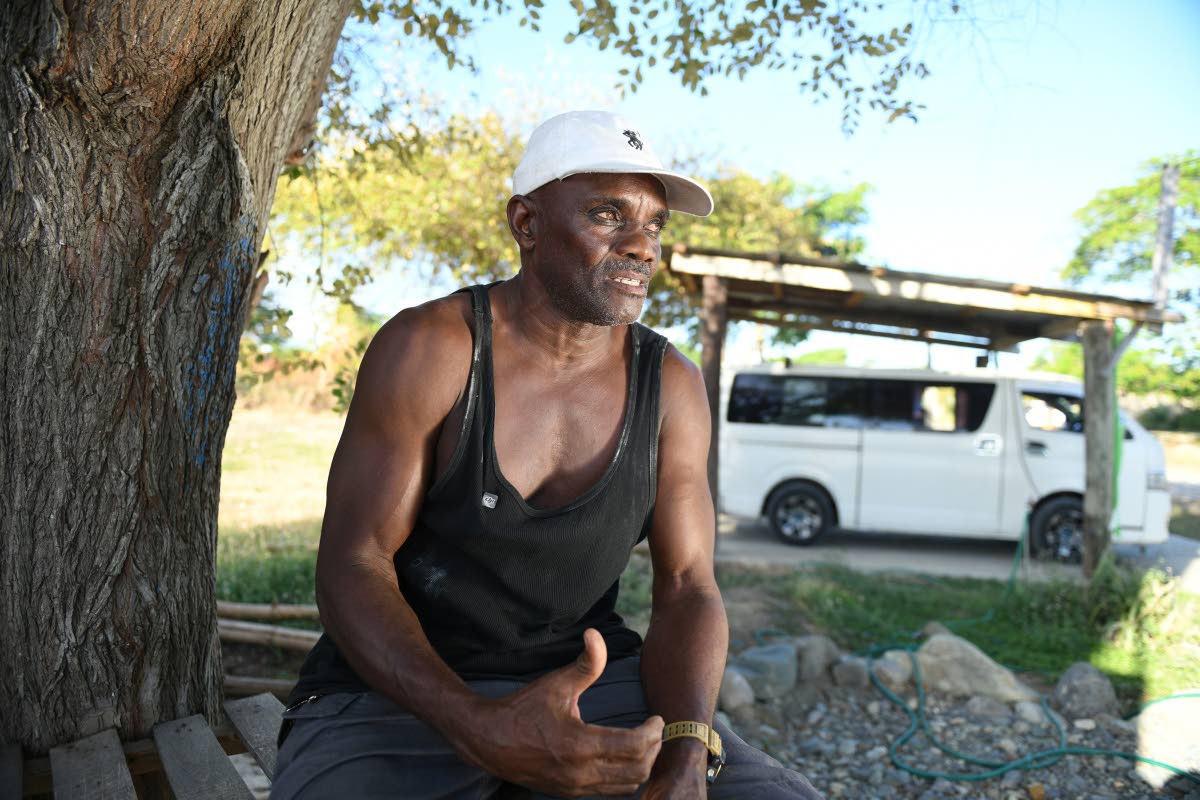 Byron Edwards at Prospect Beach in St Thomas.
-
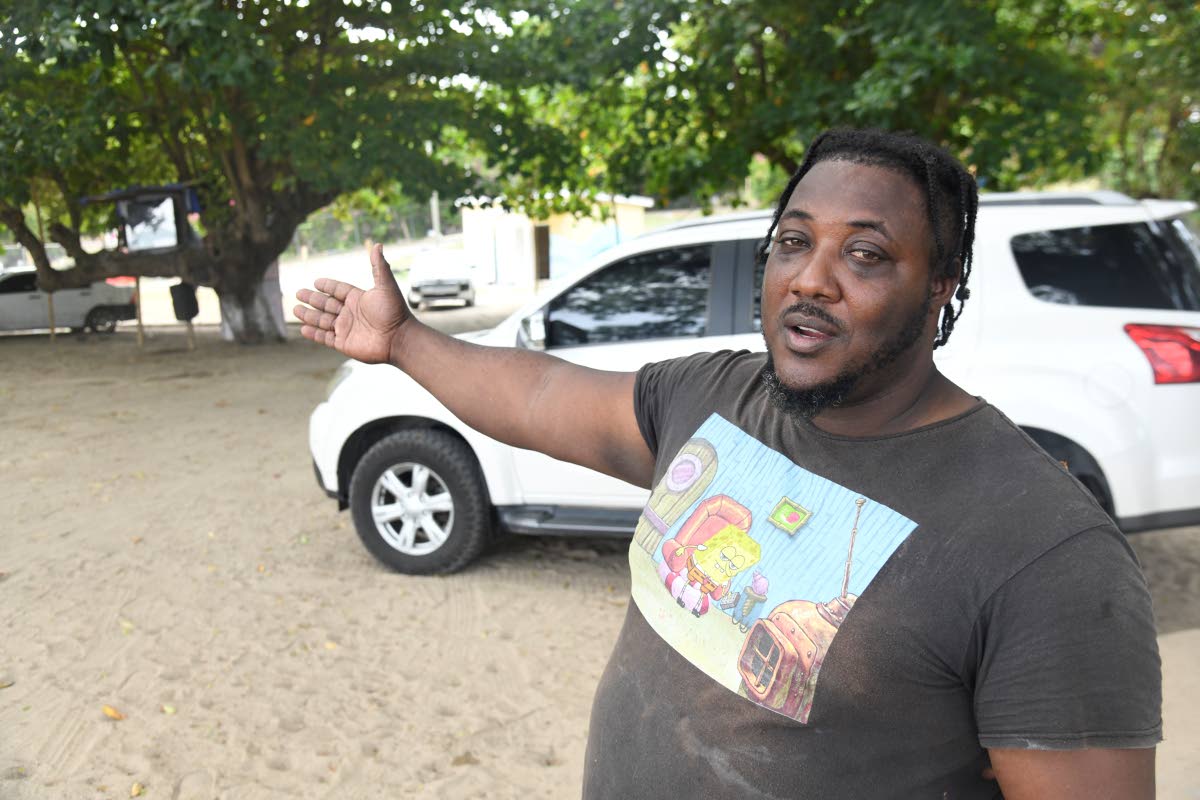 Conray Blake, a resident of Lyssons in St Thomas.
-
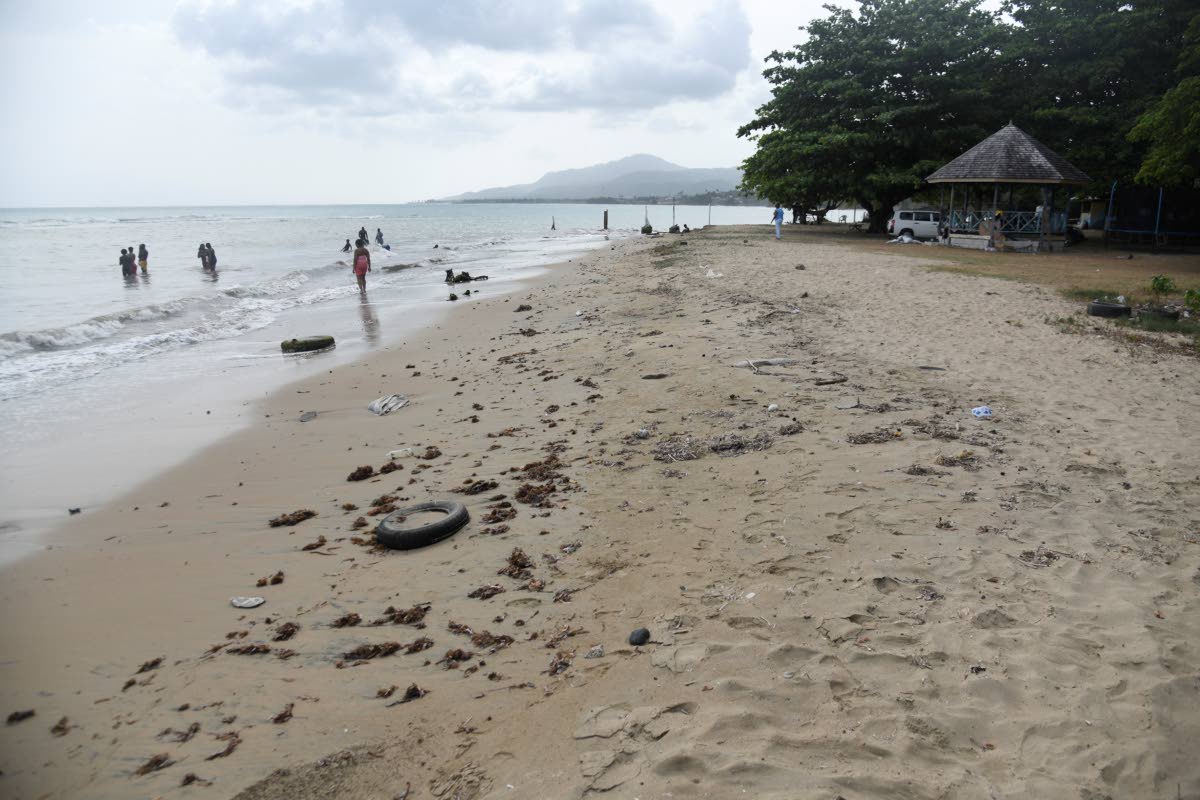 Lyssons Beach in St Thomas.
-
 Wade Mars, executive director of the Tourism Product Development Company.
-
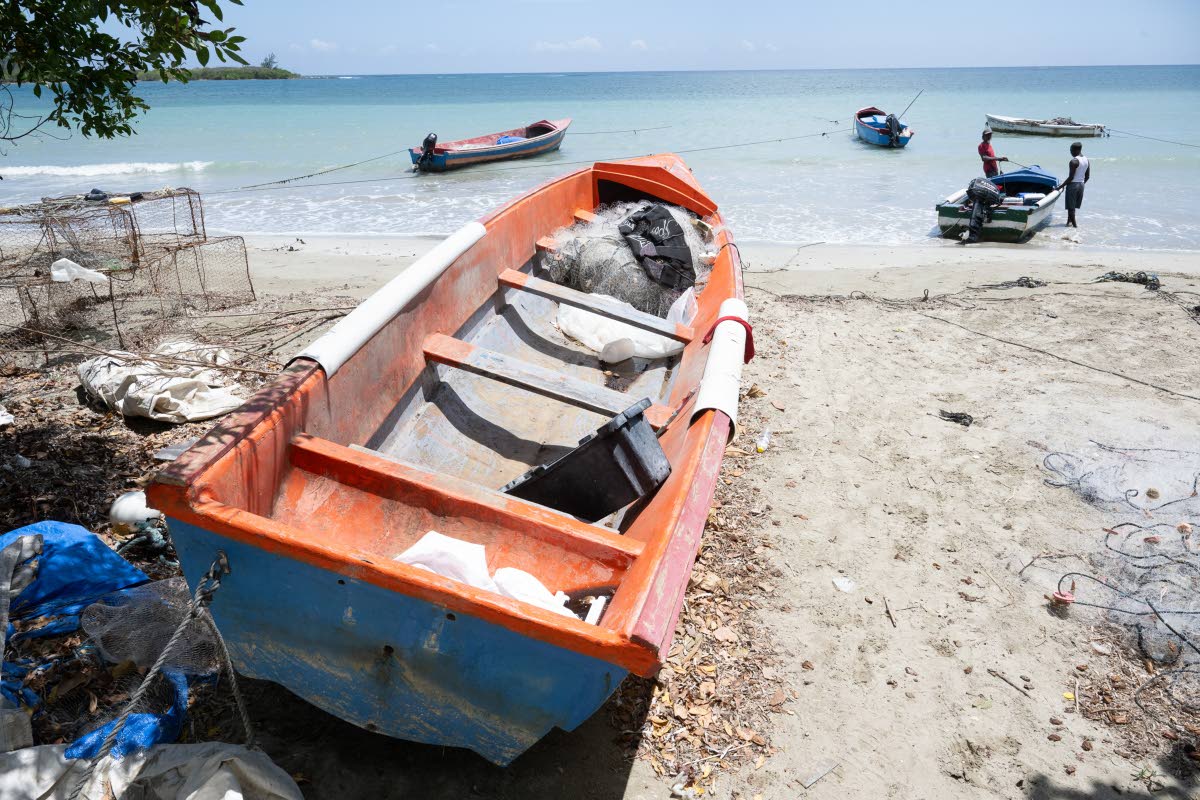 A boat seen on the shore at the Prospect Public Beach where fishermen frequently store their vessels.
In St Thomas, the coastal economy is integral to the lives and livelihoods of many residents. With several beaches in the parish, fishing, beach vending, small-scale farming and other informal businesses are a dime a dozen.
Integral to that way of life is unfettered access to public beaches.
In the 1980s, Prospect Beach was one such place that drew attention from far and wide, not only for its pristine, fine brown sand, but also for its bustling economy.
Community members like Byron Edwards, 67, structured their lives around the beach itself.
“I did love Prospect public beach because I used to come down here as a likkle boy come sell apple and mango,” he reminisced.
“Seprod used to come down here with all five bus loads. So I end up build up a little bamboo shack on the beach and sell likkle fry fish and festival and stuff like that. Prospect a mi home, enuh. Mi born and grow a Prospect. When we a likkle boy and we come sea fi bathe, you look out and you can only see head.”
After the devastation of Hurricane Gilbert in 1988, the beach slowly started to descend into disrepute.
The once-popular beach now stands as a sliver of land beneath a derelict building, with peeling paint the only reminder of what it used to be.
When asked about the state of the beach and plans for it moving forward, the National Environment and Planning Agency (NEPA) stated: “Prospect Beach was reserved for public use as part of the subdivision and will form part of the plans for the redevelopment of public beaches as outlined in the Beach Access and Management Policy 2026.
“Although natural disasters have affected the beach over the years, it remains in its natural state and continues to serve to provide public access to the coast without development on the beach.”
Due to his affection for the space, Edwards returned to the beach with his now-adult son, Kenrick, in tow to revitalise it for the community.
He now has a container on the beach which, he says, his son acquired to house bathrooms, changing rooms, a kitchen and a bar from which they will operate.
In Lyssons, the Tourism Product Development Company (TPDCo) spent $49 million in 2018 to rehabilitate the neglected oasis. That upgrade, however, did not last, as the arrival of the COVID-19 pandemic and road works in the area brought the facility back into a state of disrepair.
“We had some challenges shortly after the beach was upgraded, based on the road work. My understanding is that the NWA (National Works Agency) was using the property, access was cut off, they destroyed the fence. A whole litany of issues,” said Wade Mars, TPDCo executive director.
Like Edwards at Prospect, Conray Blake, a resident of the Lyssons community, noted the potential of the beach and started investing in it by creating a bar, running a bookshop and maintaining the premises.
None of these men has received formal licences to operate in the way they do on the beach.
The Beach Control Act of 1956 states: “From and after the 1st June, 1956, no person shall encroach on or use, or permit any encroachment on or use, of the foreshore or the floor of the sea for any public purpose or for or in connection with any trade or business, or commercial enterprise, or in any other manner (whether similar to the foregoing or not) except as provided by sections 3, 4 and 8, without a licence granted under this Act.”
Asked about the possibility of collaborating with these entrepreneurs, NEPA stated in an email: “Yes. This approach aligns with the recommendation in the Beach Access and Management Policy for Jamaica, 2026, to work with community-based and civil-society organisations in the development and management of public beaches. However, any development on the beach must comply with all applicable laws and regulatory requirements, as outlined in the response to Question 1. Annual beach operating costs are estimated to range from J$10 million to J$40 million. These costs may be higher depending on the beach’s location, size, amenities and other factors.”
Mars said he would not make a decision on how to move forward without a policy-driven directive and that, in order for the agency to move forward with the rehabilitation plan it is developing now, the space may need to be devoid of any other operators.
“We have issues with squatting on other sections of the property that are legacy issues that we are also trying to get a handle of. But, as you know, you have to be very careful how you approach these things, given the human perspective. At the end of the day, Jamaica belongs to Jamaicans and we have to be careful how we approach certain things to not cause social upheaval.”
He continued: “We will have to examine it on a case-by-case basis and see what the situation is. But I will say it is very complicated. We are still doing our evaluation [and] we may end up in a [situation] where, when we are actually doing the rehabilitative work, then you cannot have an active work-site with individuals on it. So, at that point in time we may need to sterilise the site, so to speak, and that may in and of itself solve the problem.”
shanel.lemmie@gleanerjm.com