Jada Morrison | Hidden struggles of living with sickle cell disease
Loading article...
-
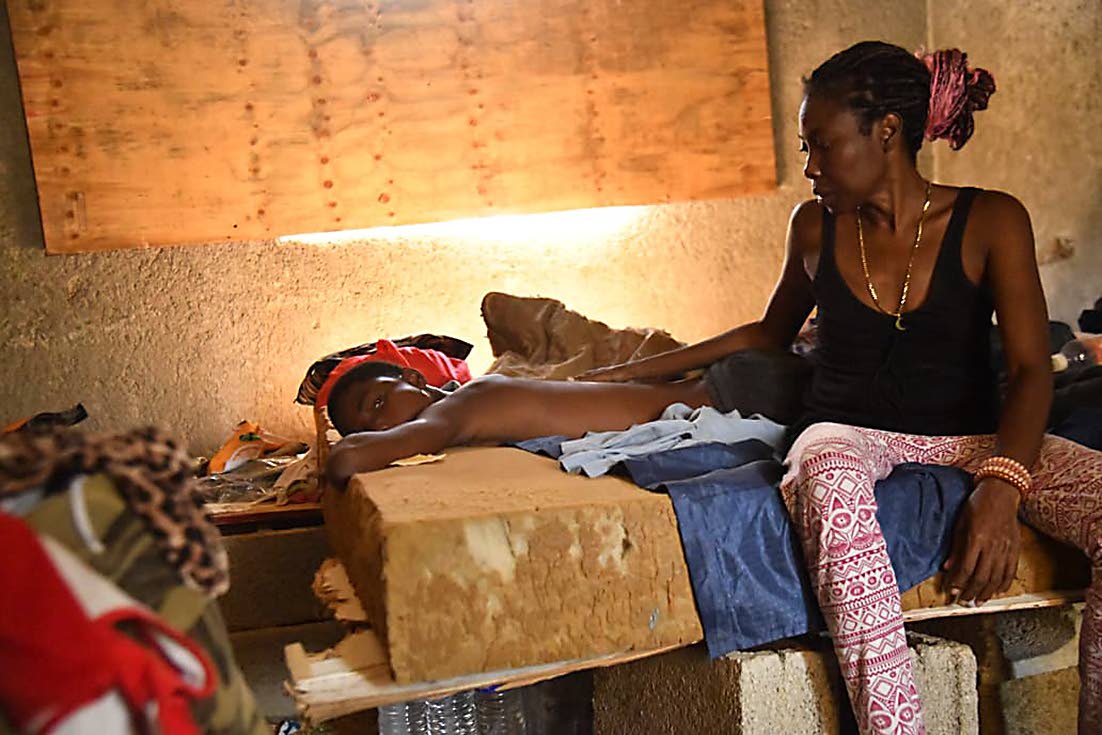 Joel Wynter who is suffering from sickle cell disease being tended by his mother.
-
 Jada Morrison
Sickle cell disease (SCD) affects an estimated 18,000 persons in Jamaica. Common complications include chronic fatigue, frequent infections, severe pain, and damage to vital organs. While many people know about the physical pain, far fewer understand the emotional and psychosocial struggles that come with living with SCD every day.
Sarah (not her real name) is a young Jamaican woman living with SCD. She was born in St Elizabeth and was not diagnosed until she was two, after she became seriously ill. Throughout childhood, she experienced frequent painful crises that repeatedly kept her out of school.
Sarah left school after Grade 11 with only two subjects, largely because her illness disrupted her education. As an adult, she tried to work, but frequent pain episodes and hospital visits made it difficult to keep steady employment. The longest job she held lasted six months. She is now unemployed and relies on her family for support. Recently she lost vision in one eye due to complications of SCD, adding to her emotional and financial strain. Her story reflects the lived reality of many Jamaicans with SCD — a life shaped by illness, interrupted opportunities, and ongoing uncertainty.
EDUCATION, CAREGIVER BURDEN AND PAIN
Pain is subjective and is experienced differently by each person. In SCD, however, pain is not occasional — it is a constant threat. Crises can occur without warning, last for hours or days, and make everyday activities impossible. Over time, repeated pain can become chronic, leading to poor sleep, low mood, and emotional exhaustion. Pain does not only affect the body; it shapes decisions about school, work, and relationships.
These challenges often begin in childhood. Like Sarah, many children with SCD miss school because of pain crises, clinic visits, and hospital stays. Repeated absences can cause students to fall behind academically and feel different from their peers. This can gradually erode confidence and limit future opportunities, not because of lack of ability, but because their health disrupts their education.
The burden of SCD also extends to families. Parents and caregivers must manage frequent hospital visits, lost income, and the emotional strain of caring for a chronically ill child. Siblings may feel neglected or take on caregiving roles too early. Over time, these pressures can lead to stress, burnout, and tension within the household.
EMPLOYMENT, STIGMA AND MENTAL HEALTH
Maintaining employment is a major challenge for people with SCD. Recurrent pain, fatigue, and clinic visits can make consistent attendance difficult. Many struggle to find or keep jobs, particularly in workplaces that lack understanding or flexibility. Unemployment contributes to financial insecurity, reduced independence, and lower self-worth. Even when employed, individuals may hide their condition for fear of discrimination. Dependence on family for support, while often necessary, can also generate feelings of guilt and inadequacy.
The stigma surrounding SCD is rooted in pain. Because pain is invisible and subjective, patients are sometimes accused of exaggerating their symptoms or “drug-seeking.” This can result in delayed treatment, emotional distress, and loss of trust in healthcare providers. Misunderstandings and social prejudice also occur in schools, workplaces, and communities, leaving many people feeling isolated or marginalised.
Complications such as stroke, organ damage, or vision loss, as with Sarah, add to emotional strain. These health setbacks can intensify feelings of sadness, grief, and frustration, reshaping identity, independence, and future plans. Research from the Sickle Cell Unit (SCU) shows that about one in five Jamaicans with SCD suffers from depression — more than twice the rate seen in the general population.
SOLUTIONS
Recognising and addressing these psychosocial burdens is essential to improving quality of life for people living with SCD.
· Support in schools, workplaces, healthcare, and the community can make a real difference. Partnerships with teachers, guidance counsellors, and classmates – including extra lessons, shared notes, and mentoring – help students stay on track and maintain confidence.
· Employers who appreciate the unpredictable nature of SCD can offer flexible schedules, work-from-home arrangements, and leave when needed. Skills training and entrepreneurship programs provide adults with SCD opportunities for independence and meaningful participation in the workforce.
· Healthcare support is also crucial. The SCU through its partnership with the Sickle Cell Technical Working Group trains healthcare workers, mentors doctors across parishes, and advocates for patients to ensure fair treatment and reduce stigma.
· Improving public education programs dispel misconceptions about pain and treatment, improving trust between patients and providers. Community awareness campaigns through churches, and social media platforms also reduce stigma and foster understanding.
· Financial assistance through programmes such as the National Health Fund and Jamaica Council for Persons with Disabilities Medical Grant helps cover medications, procedures, and therapies, reducing the burden on families.
· Mental health support, including routine screening, counselling, and community-based programs, helps patients cope with anxiety, depression, and the emotional toll of living with a chronic illness.
With the right support, people living with SCD can lead safer, more independent, and fulfilling lives. Recognising their challenges — and responding with empathy and action — is the first step toward a society that truly supports everyone living with this condition.
Dr. Jada Morrison, is the medical officer of Sickle Cell Unit, Caribbean Institute for Health Research, UWI. Send feedback to columns@gleanerjm.com and jada.morrison@uwi.edu