Dennis Zulu | Jamaica’s digital future begins in the classroom
Loading article...
-
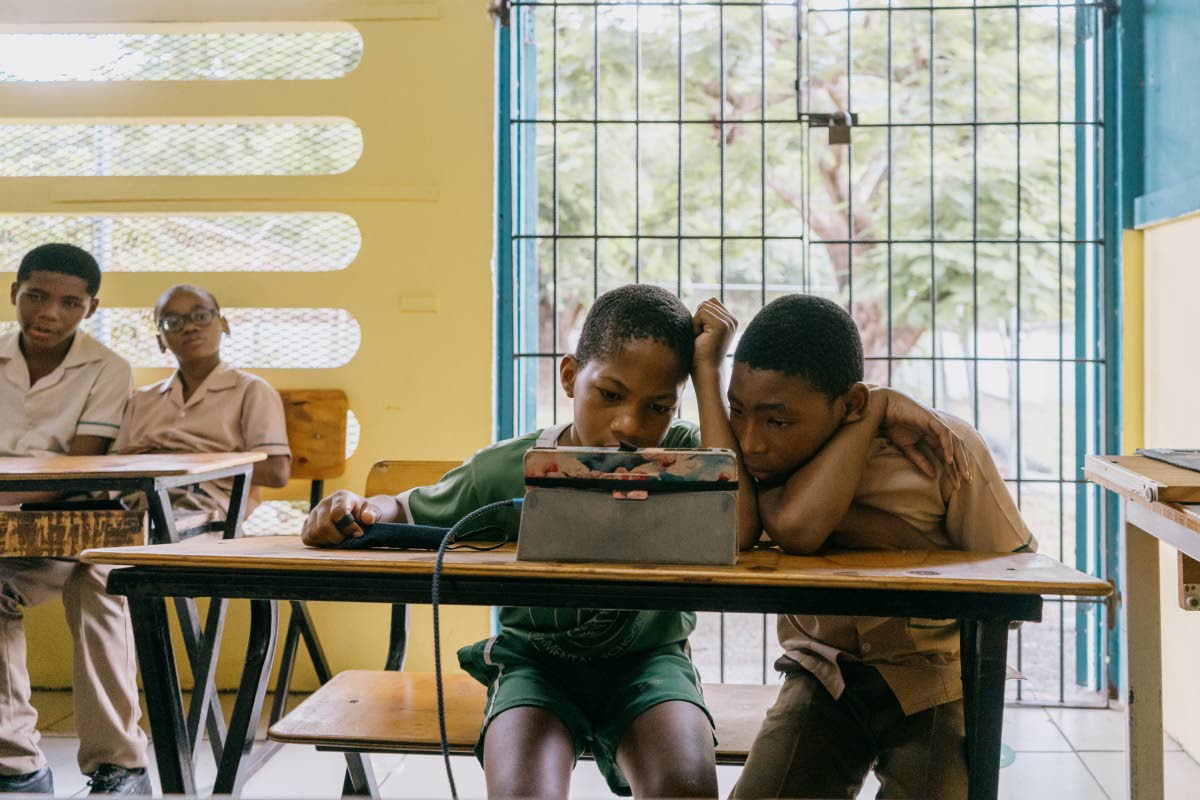 Digitally transformed school is where students have access to high-quality, curriculum-aligned digital learning resources
-
 Dennis Zulu, UN Resident Coordinator
Jamaica has entered the final year of implementation of the Government of Jamaica and United Nations SDG Joint Programme on Digital Transformation for Education, a flagship initiative supported through the Joint SDG Fund and the contributions of development partners, including the European Union and its member states.
This is a pivotal moment for Jamaica’s efforts to accelerate progress towards the Sustainable Development Goals (SDGs). Since its launch, the programme has helped pilot innovative solutions, strengthen collaboration and lay the foundation for long-term transformation across the education sector.
As United Nations resident coordinator, I have the privilege of overseeing the collective efforts of the UN system in Jamaica, including this programme, which brings together United Nations Children’s Fund (UNICEF), United Nations Educational, Scientific and Cultural Organization (UNESCO), World Food Programme (WFP) and Food and Agriculture Organization (FAO) in support of the national education transformation agenda. Each agency brings distinctive expertise towards a single objective: creating a connected digital education ecosystem that improves outcomes for children.
UNICEF is leading efforts to strengthen digital learning opportunities and support the modernisation of educational delivery. UNESCO is advancing teacher transformation and capacity development, helping educators acquire the skills needed for teaching and learning in a digital age. WFP is supporting the modernisation of school feeding systems to improve efficiency, monitoring and service delivery, while FAO is helping to strengthen digital food systems that connect schools and local agricultural producers, contributing to more resilient food value chains and stronger rural livelihoods.
These interventions have been designed to demonstrate an important principle: meaningful education reform is best achieved through predictable, integrated and coherent initiatives. The interventions are based on a well-proven fact that sustainable improvements in education occur only when learning, teaching, administration, nutrition, data management and decision-making are strengthened simultaneously.
INTEGRATED APPROACH
The programme has adopted an integrated approach organised around six interconnected pillars: digital learning, digital schools, teacher transformation, digital school feeding, digital food systems and data governance. While each pillar delivers its own benefits, their greatest value emerges when they operate together.
With just under a year remaining before it concludes in July 2027, the collective focus of the programme has shifted decisively from establishing systems to demonstrating tangible results for children, schools, teachers and communities. The investments being made today must generate evidence, lessons and models that can be sustained, scaled and embedded within Jamaica’s education system long after the programme closes. The programme also provides an opportunity to realise a shared vision for a more inclusive, resilient and digitally enabled education system that will support Jamaica’s efforts to accelerate progress towards the SDGs.
Jamaica is one of a select group of countries participating in the Joint SDG Fund’s global Digital Transformation portfolio and is part of a wider community of nations testing innovative approaches to accelerate development through technology. The lessons emerging from Jamaica’s experience will influence national policy and contribute to global learning on how digital transformation can strengthen education systems and advance sustainable development.
DIGITALLY TRANSFORMED SCHOOL
What does a digitally transformed school look like in practice? It is more than a school equipped with computers or internet connectivity.
It is a school where students have access to high-quality, curriculum-aligned digital learning resources; where teachers confidently use technology to personalise instruction, monitor progress and enhance engagement; and where principals can access real-time data on attendance, performance and operational needs to make informed decisions that improve student outcomes.
It is also a school where nutrition programmes are managed through efficient systems that improve accountability, streamline resource management, and ensure children receive the support they need to learn and thrive. Connected to broader digital food systems, these schools can also strengthen food security while creating new opportunities for local farmers and communities.
Most importantly, a digitally transformed school is one where information flows seamlessly across different systems, providing policymakers with reliable data to guide investments, address disparities and allocate resources where they are needed most.
This is not simply a technological upgrade but a transformation in how education is delivered, managed and experienced.
Pilot schools are among the most important investments under the programme. These schools are intended to become demonstration sites, innovation hubs and learning laboratories where all components converge. They will provide practical and tangible evidence of what an integrated digital education ecosystem can achieve and help inform future national expansion.
Digital transformation has become a critical enabler of sustainable development worldwide. For Jamaica, strengthening digital capabilities within education contributes directly to improved learning outcomes, greater inclusion, stronger institutions, enhanced resilience and more efficient public services.
The programme also aligns closely with Jamaica’s long-term development aspirations and recognises an important reality: today’s students are preparing for a future in which digital skills will be fundamental to economic participation, innovation and competitiveness. Building those foundations now is essential to ensuring that no child is left behind.
SUSTAINABILITY
Looking forward, it is imperative that sustainability remains central to our thinking. The objective is to strengthen national systems, institutional capacity and local ownership. Lasting success will therefore depend on whether the innovations become embedded within policies, budgets, operational procedures and everyday educational practice.
This is why collaboration among government, development partners, donors, educators and communities remains so important.
Success will be reflected in improved learning, better-supported teachers, more effective schools and stronger opportunities for children. It will be measured by whether Jamaica can use the lessons emerging from these pilot investments to build a modern, resilient and inclusive nationwide education system for future generations.
Jamaica’s greatest asset is its people. By investing in digitally transformed schools, we are investing in the nation’s future workforce, leaders and prosperity.
Seizing this opportunity means that Jamaica will not only advance its own development but also offer a compelling example to other countries seeking to harness digital transformation in service of the SDGs.
Dennis Zulu is the United Nations resident coordinator in Jamaica, The Bahamas, Bermuda, The Cayman Islands and the Turks and Caicos Islands. Send feedback to columns@gleanerjm.com