INSPIRING JAMAICA - The Sunken City: Lessons from the deep
Loading article...
-
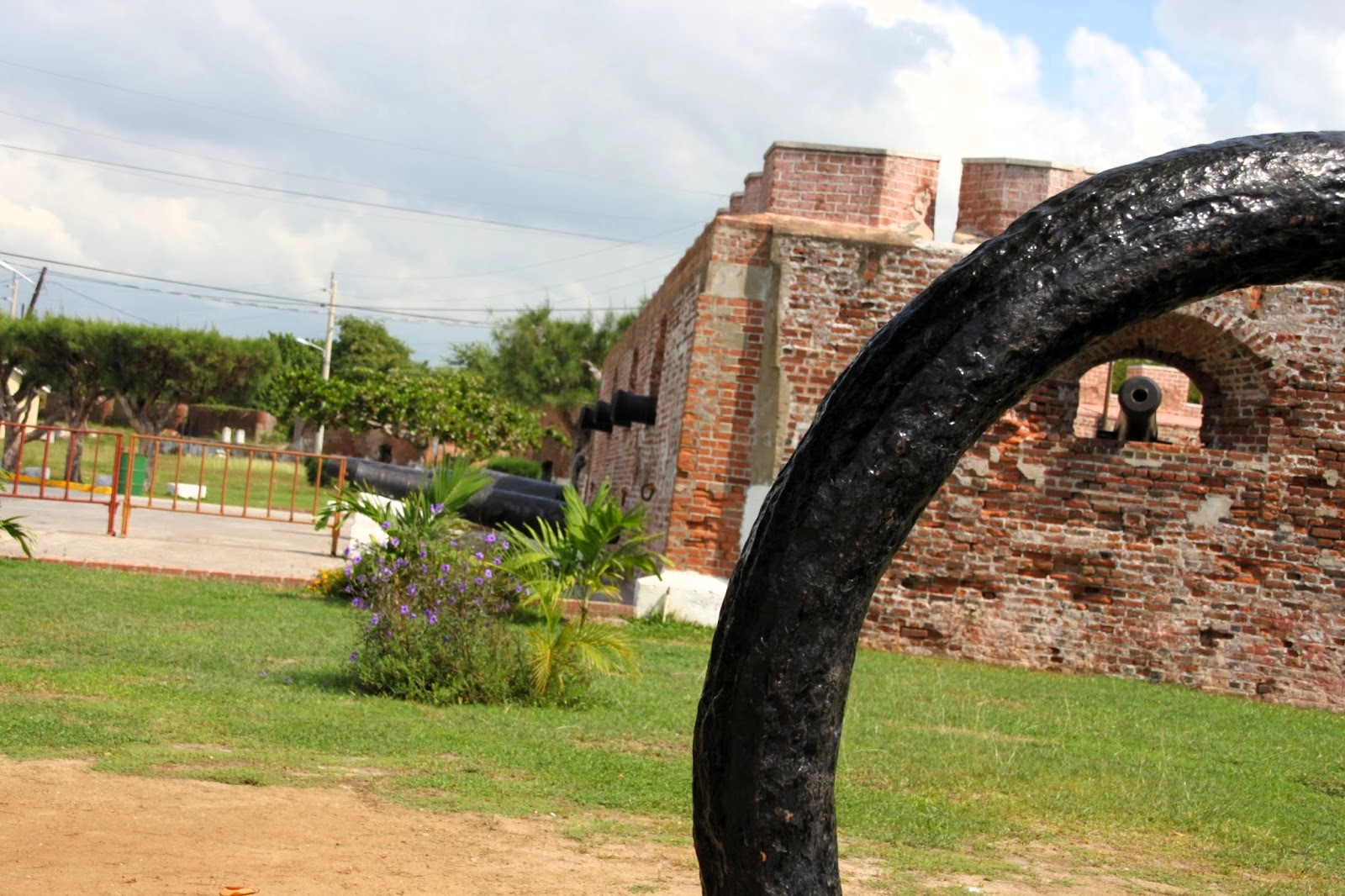
A perspective of Fort Rocky at Port Royal
-
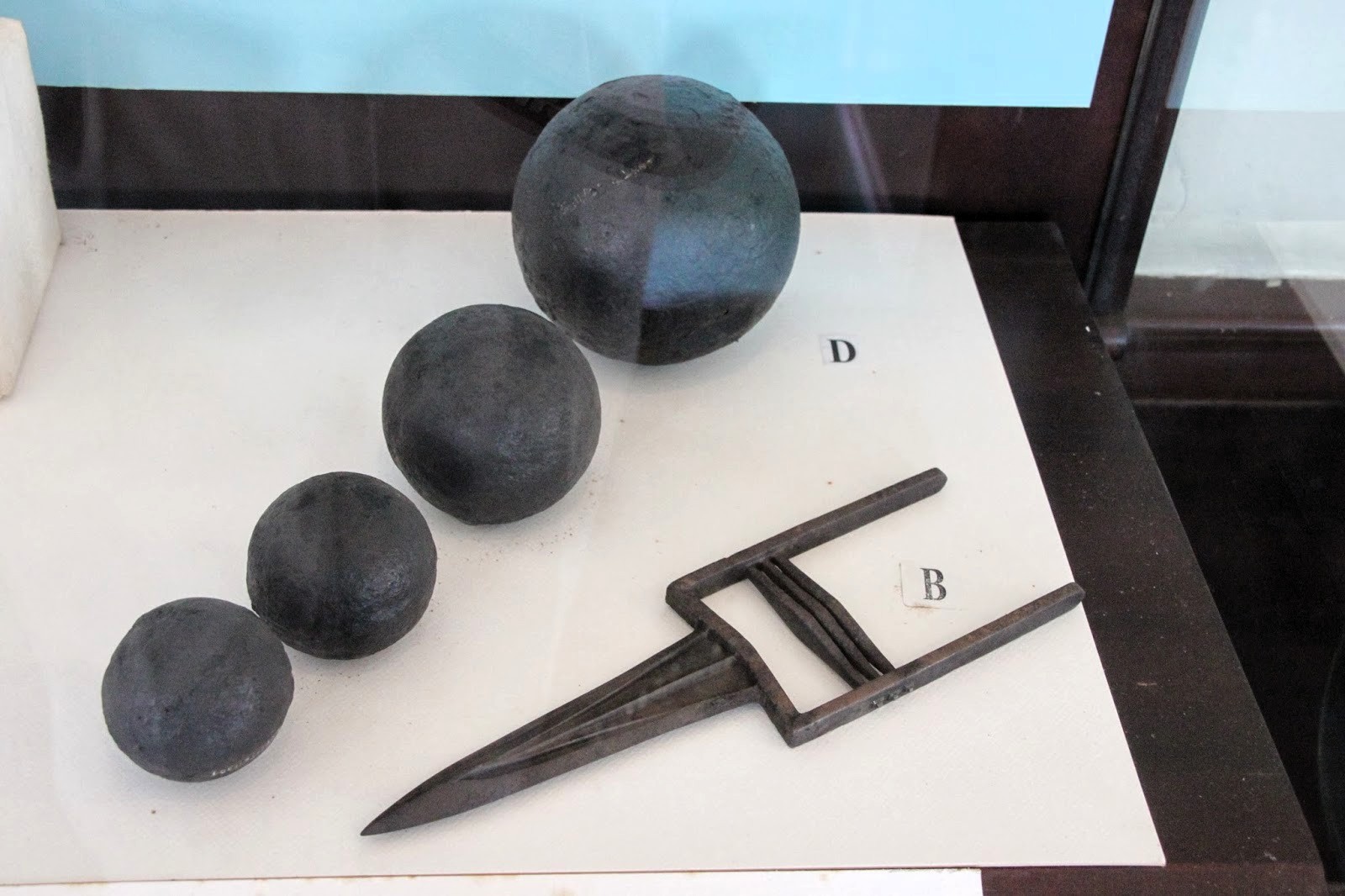
Artefacts at Fort Rocky museum (top) cannonballs and at the bottom is a dagger (katar) which finds its origins in South Asia. – Photos by Amitabh Sharma
Port Royal A: Artefacts at Fort Rocky museum (top) cannonballs and at the bottom is a dagger (katar) which finds its origins in South Asia. – Photos by Amitabh Sharma
History often teaches its greatest lessons not through triumph, but through tragedy. Few places in Jamaica embody this truth more profoundly than Port Royal, the legendary city that once stood as one of the richest and most notorious ports in the Western Hemisphere.
On June 7, 1692, at approximately 11:43 a.m., a devastating 7.5 magnitude earthquake struck the thriving city. Built largely on a narrow sand spit at the end of the Palisadoes Strip, Port Royal sat on unstable foundations. As the earth shook violently, the sandy ground underwent liquefaction, causing streets, homes, warehouses, and grand buildings to sink beneath the sea within minutes. Nearly two-thirds of the city disappeared beneath the harbour waters.
What was once known as the “wickedest city on Earth” became one of the world's most fascinating underwater archaeological sites.
Today, visitors can still explore the remarkable heritage of Port Royal. Fort Charles, the oldest surviving fortification in the town, endured the catastrophe and later became an important British naval base. The fort's history includes visits by a young Horatio Nelson before he became one of Britain's most celebrated naval heroes.
Nearby stands the famous Giddy House, an artillery storehouse tilted dramatically by another earthquake in 1907. Its unusual angle provides a striking visual reminder of nature's immense power.
St. Peter's Church, rebuilt in the early eighteenth century after its predecessor was swallowed by the sea, remains a treasured landmark. Among its historic artefacts is a silver communion plate believed to have been gifted by the renowned privateer Sir Henry Morgan.
Beneath the harbour lies the true wonder, the Sunken City itself. Preserved underwater for more than three centuries, its streets and structures offer archaeologists an extraordinary time capsule of seventeenth-century life and have earned international recognition as a UNESCO World Heritage candidate.
Yet Port Royal's greatest legacy is not what was lost, but what emerged afterward. Survivors looked across the harbour to a sparsely populated shoreline and began again. From those difficult beginnings grew Kingston, Jamaica's capital city and economic heart.
When life shakes the foundations beneath your feet, remember Port Royal. Wealth, status, and possessions may disappear, but courage, resilience, and vision endure. Like the survivors who built a new future from devastation, we too can rise above adversity, rebuild with purpose, and create something stronger than before.
Contributed by Dr Lorenzo Gordon, a diabetologist, internal medicine consultant, biochemist, and a history and heritage enthusiast. Send feedback to inspiring876@gmail.com.