Editorial | Rare earths and more
Loading article...
-
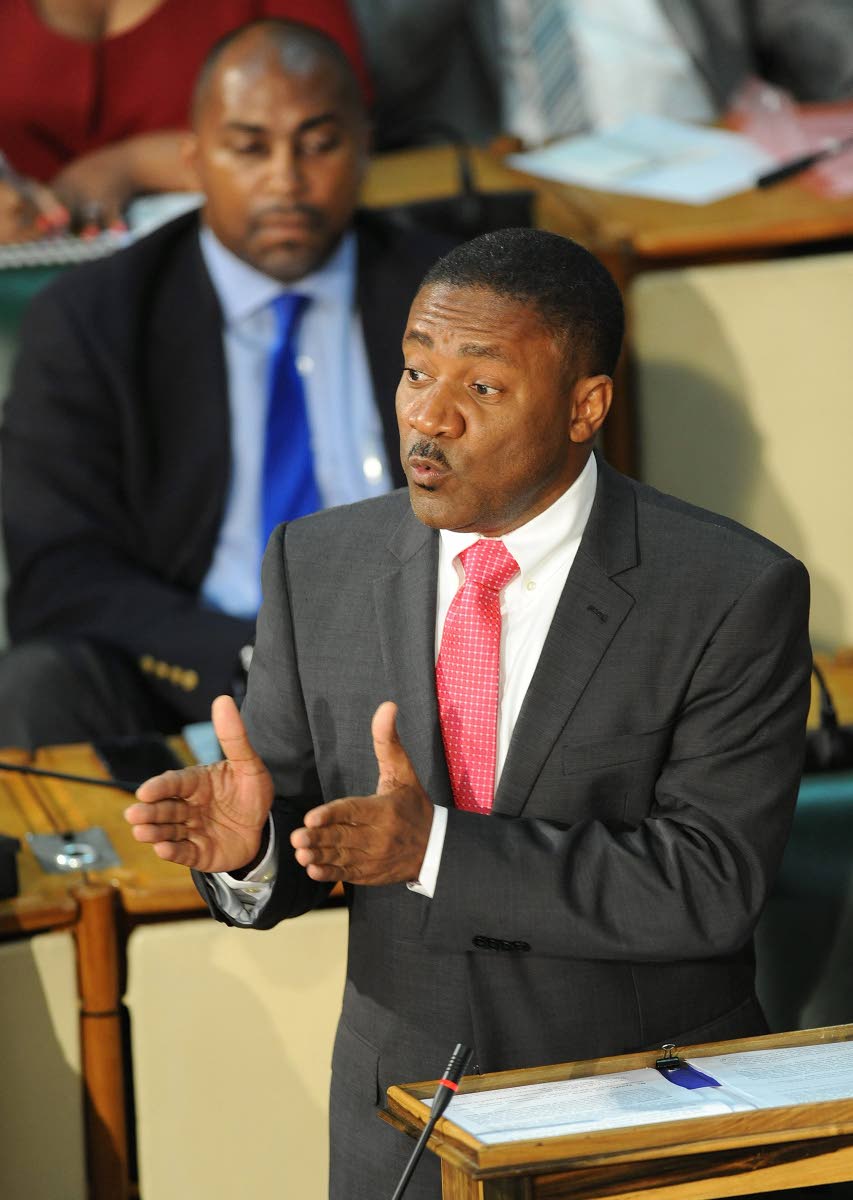
Paulwell
-
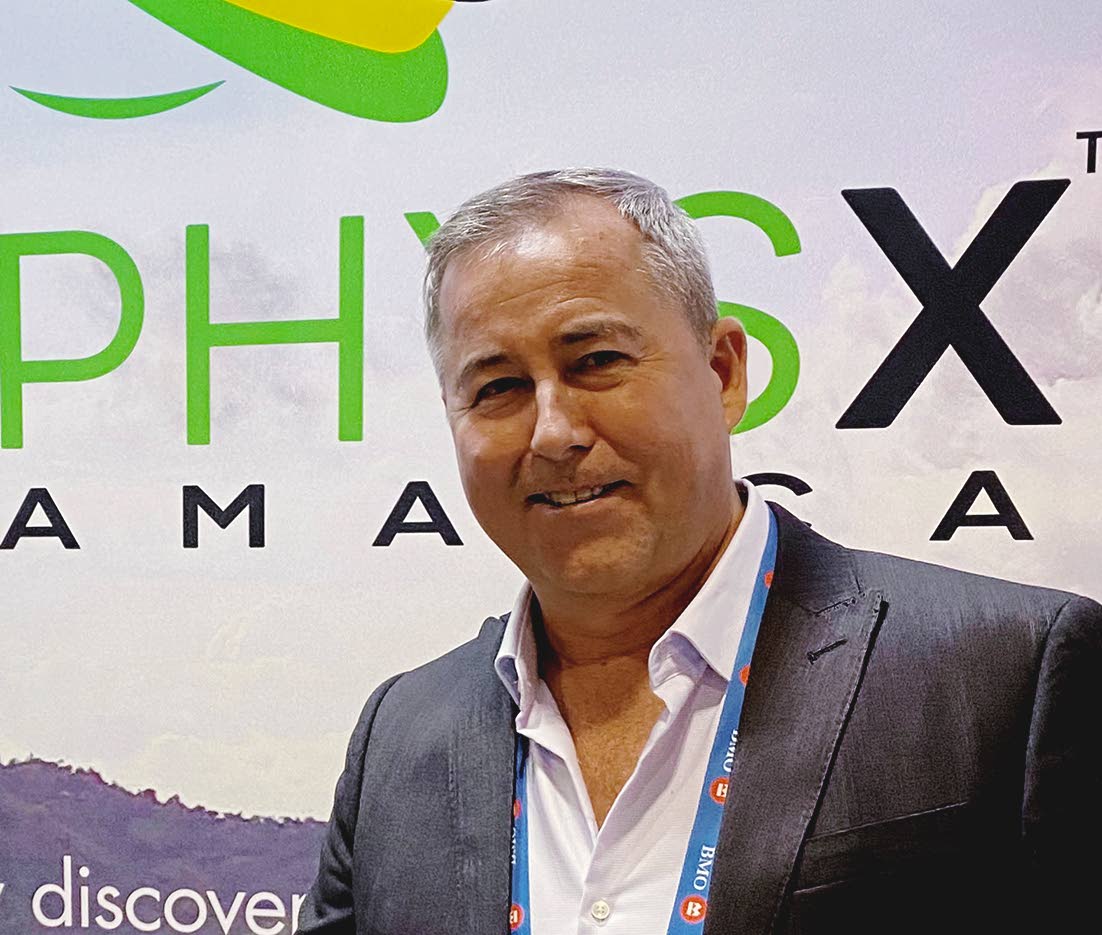 Robert Stewart, founder of Geophysx Jamaica.
While the economic feasibility of extracting rare earth elements (REE) from bauxite residue is still unattained, Phillip Paulwell is right about Jamaica needing to do the work to put itself in a position to take advantage of any breakthrough.
In other words, the Government should renew and/or aggressively expand support for academic and other research in this area, including initiatives by private entities which may already be involved in such activities. These would include Bobby Stewart’s minerals exploration outfit, Geophysx, which three years ago disclosed that it had discovered significant pockets of rare earth elements in southwestern Jamaica.
Unless we missed it, that development seems to have triggered neither the scientific conversation at the island’s academies, nor the kind of policy action from the Government, for which this newspaper has long advocated. It is perhaps time, therefore, for a recalibration by the administration.
The name ‘rare earth’ for the 17 chemically similar metallic elements that fall within the group is a bit of a paradox. For, as geologists point out, they are not particularly rare.
However, REEs, which are almost always found in other minerals, are not often found in economically exploitable concentrations. This, allied with their indispensability in modern technological applications, not only enhances their commercial value, but their importance as an instrument of geopolitics.
As it happens, China has nearly half of the world’s reserves of REEs, controls mines in other countries, and accounts for 69 per cent of the world’s output of the metals. It also has the most advanced technology for extracting REEs from host minerals.
So, when the United States blocked the shipment of its most advanced computer chips to China, Beijing hit back by placing export controls on rare earth minerals. America backed down. In the face of Beijing’s stranglehold on REEs, the United States has been aggressively seeking to develop domestic production and to find alternative suppliers to China.
That was part of the context in which Mr Paulwell last week urged Jamaica’s Government to place rare earth near the centre of the island’s mining strategy.
“Jamaica must think strategically about the future of its natural resources,” he told Parliament’s Standing Finance Committee last week. “Developing a rare earth minerals industry, while ensuring stronger support for bauxite communities, can help create new economic opportunities and ensure that our natural wealth benefits the Jamaican people.”
SIGNIFICANT DISCOVERY
In 2013, when Mr Paulwell was the mining minister, the Jamaica Bauxite Institute and Japan’s Nippon Light Metals conducted research in Kingston on extracting REEs from red mud, the effluent from the refining of bauxite to alumina. While the technological feasibility was confirmed, the low concentration of REEs in the tailings made the scheme commercially unviable.
Since then, other people have claimed to advance the economic viability of extracting rare earths from red mud, but none of these has gone into commercial operation. Additionally, there is also advanced research into integrating rare earth extraction into the alumina refining processes, rather than from the bauxite tailings after alumina production.
Mr Stewart’s company, apparently with international partners, has been keen on the possibility of extracting REEs from the millions of tonnes of effluent that have accumulated in red mud ponds since Jamaica began alumina production in the 1960s. But there has been no clarity on related public policy, including ownership of the effluent after the bauxite has been refined to alumina. The Gleaner has in the past suggested that this matter be debated and fully set out in the island’s mining law.
Importantly, in regard to REEs, in 2023, Mr Stewart – whose company had prospecting licences for 4,000 sq km of Jamaica –disclosed that in the midst of 4,000 assays for various minerals, Geophysics “discovered a big anomaly – about 100 square kilometres of rare earth, which we didn’t expect”.
Mr Stewart told an interviewer at the annual convention in Toronto of the Prospectors and Developers Association of Canada: “It is about 50 million tonnes – it is about 42 per cent heavies, and the rest is lights. It has great potential.”
The reference to heavies meant miners like europium (Eu), gadolinium (Gd), Terbium (Tb), dysprosium (Dy), holmium (Ho), erbium (Er), thulium (Tm), ytterbium (Yb) , lutetium (Lu), and possibly Yttrium (Y), which, though not technically an REE, is often linked with them. The light rare earth minerals are lanthanum (La), cerium (Ce), praseodymium (Pr), neodymium (Nd), and promethium (Pm).
That, if the technical evaluations of Mr Stewart’s prospecting have held, would have been a significant discovery for a small area. We would also add, an exciting one. And as Bobby Stewart said at the time, something of “great potential”.
Obviously, much work would have had to be done to determine the viability of that find, and whether it could be scaled up. So, the discovery should have triggered a joined-up approach to development – of the type associated with industrial policies – those that embrace key national stakeholders for a singular purpose.
If that is indeed happening, the process is too quiet.