Raslan Abu Rukun | Historic opening: Israel, Lebanon, and the courage to choose peace
Loading article...
-
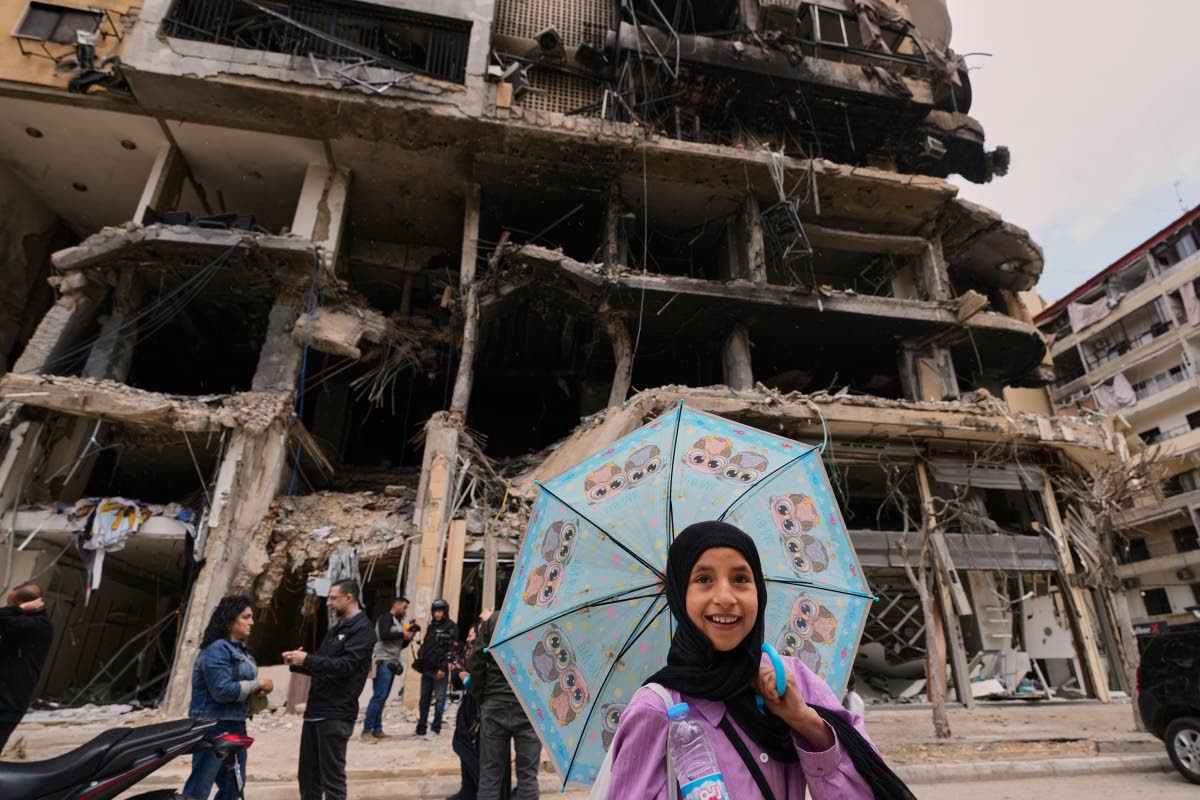 A girl passes in front of a destroyed building, following a ceasefire between Hezbollah and Israel in Dahiyeh, Beirut’s southern suburbs, Lebanon.
-
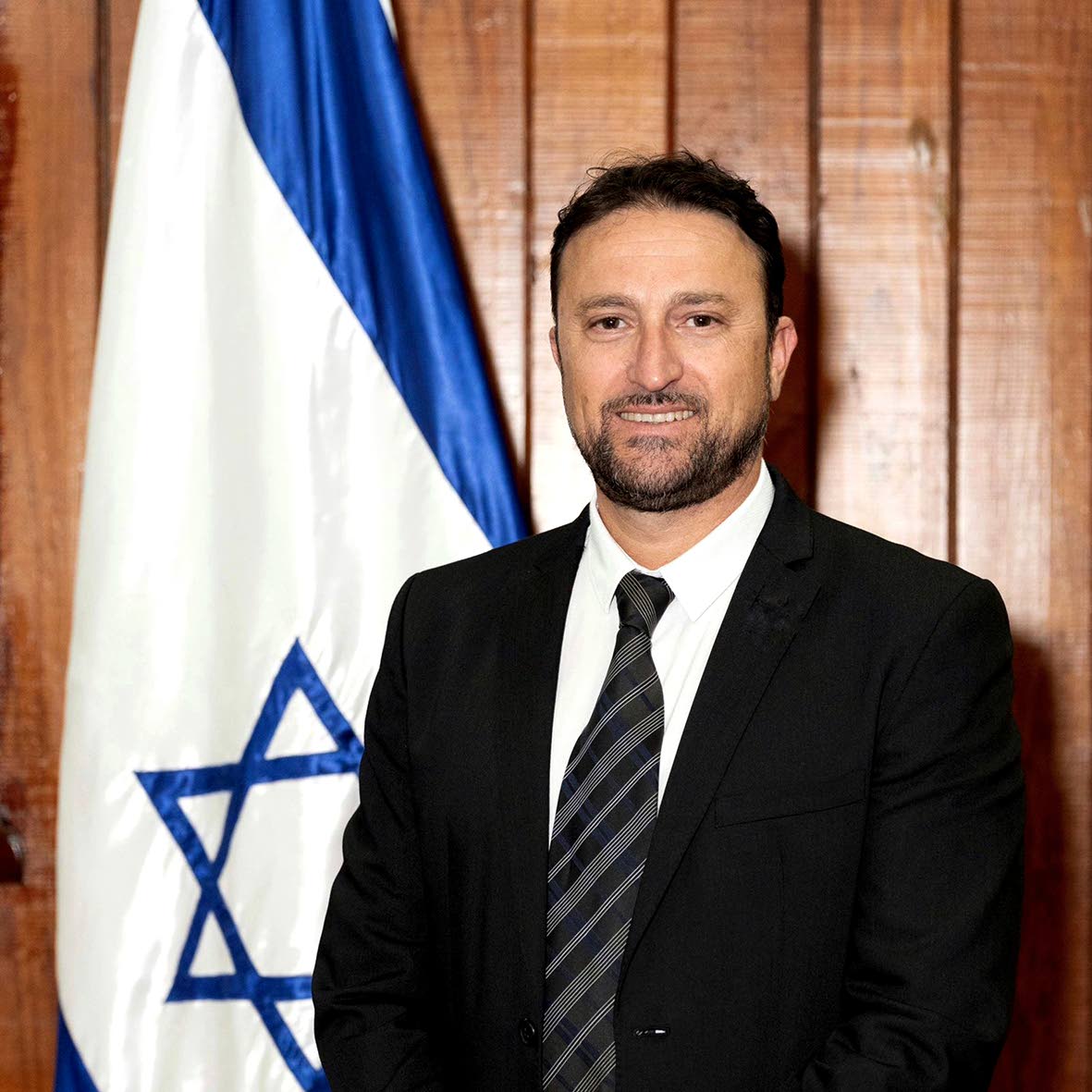 Raslan Abu Rukun
April 14, 2026, will be remembered as a historic day. For the first time in decades, Israeli and Lebanese ambassadors met for direct peace talks under American mediation. This moment did not emerge in a vacuum. It is the result of courageous decisions taken by the Lebanese government and a growing realisation within Lebanon that the status quo is no longer sustainable.
For years, Israel has made its position clear: we have no conflict with the Lebanese people or with the Lebanese State. Our conflict has always been with Hezbollah – an armed organisation that operates as a proxy for the Iranian regime and advances interests that are not those of the Lebanese people.
Following the 2006 Lebanon War, the international community came together to adopt United Nations Security Council Resolution 1701. This resolution clearly called for the disarmament of Hezbollah and mandated that no armed groups operate south of the Litani River other than the Lebanese Armed Forces and UNIFIL. Israel upheld its commitments. Hezbollah did not.
Instead, Hezbollah systematically violated Resolution 1701. It rearmed, entrenched itself along our northern border, and effectively built an Iranian-backed military force within Lebanon. In the process, it contributed to the erosion of Lebanon’s political institutions and economic stability. Yet, for years, much of the international community chose to focus its criticism on Israel’s defensive actions rather than on Hezbollah’s blatant violations.
ESCALATE
On October 8, 2023, just one day after the horrors of October 7, Hezbollah chose to escalate. Acting under directives from Tehran, it launched attacks against Israel, dragging Lebanon into a dangerous and unnecessary confrontation. This time, Israel responded with clarity: we will not compromise on the security of our citizens.
Today, there are signs of change. The Lebanese people increasingly understand that the presence of an armed militia operating outside state control is incompatible with sovereignty, stability, and prosperity. Addressing the issue of Hezbollah’s weapons is not just an Israeli demand – it is a Lebanese necessity.
The current dialogue between Israel and Lebanon represents a rare and important opportunity. Peace is possible, but it must be built on concrete steps: the disarmament of Hezbollah and the removal of Iranian influence from Lebanese territory. Without these, no agreement can be durable.
Hezbollah, for its part, continues to threaten Lebanon’s stability. It seeks to intimidate those who dare to imagine a different future. We hope it will fail because the alternative is compelling: A future in which Israelis and Lebanese no longer see each other through the lens of conflict but through the promise of cooperation. A future in which Lebanese visitors walk the streets of Tel Aviv and Israelis once again experience the beauty and culture of Beirut.
This is not a fantasy. It is a choice. And on April 14, we saw the first signs that both nations may finally be ready to make it.
Raslan Abu Rukun is the ambassador of Israel to the Dominican Republic and a non-resident ambassador to Antigua and Barbuda, Jamaica, Grenada, Dominica, Haiti, St Vincent and the Grenadines, St Lucia, St Kitts and Nevis. Send feedback to columns@gleanerjm.com.