Anthony Hylton | Cuba vote and Cabinet accountability to Parliament
Loading article...
-
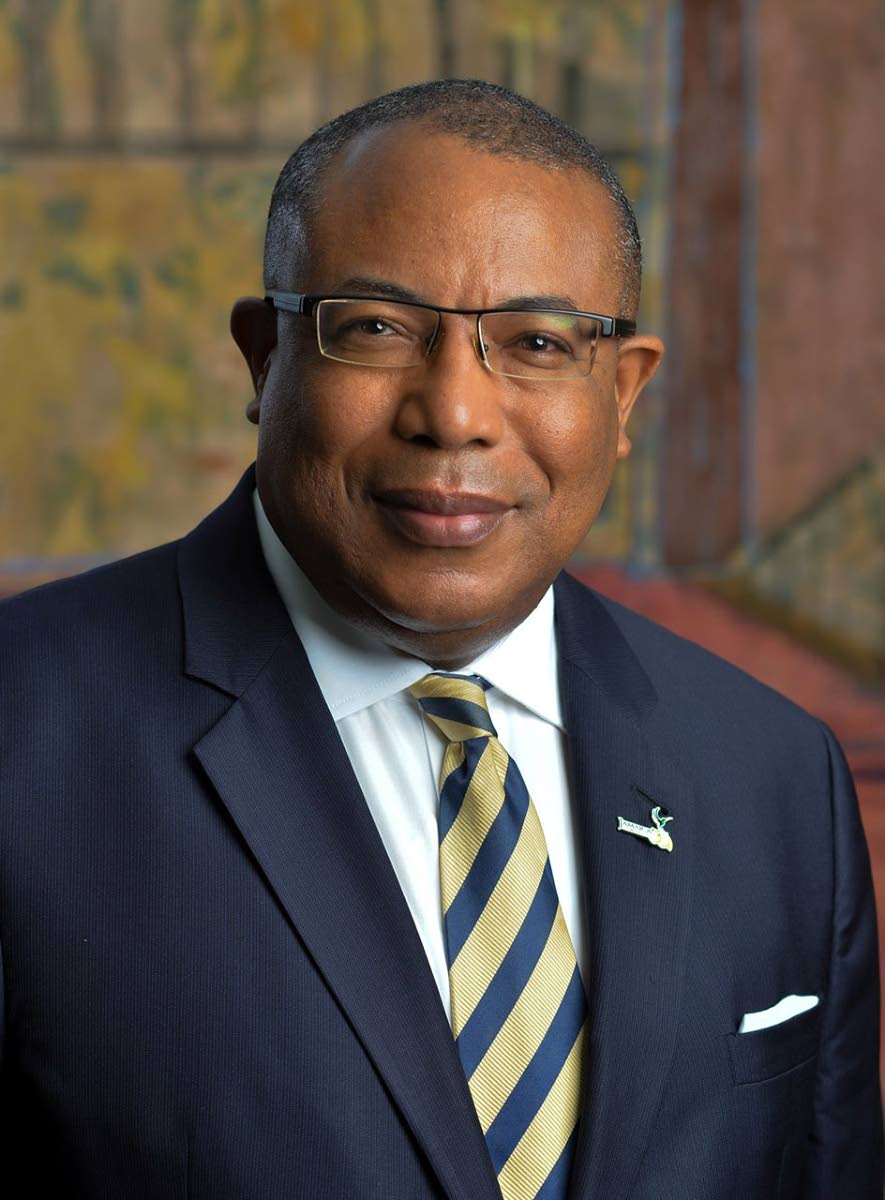 Anthony Hylton. Photo - Contributed
-
Anthony Hylton. Photo - Contributed
-
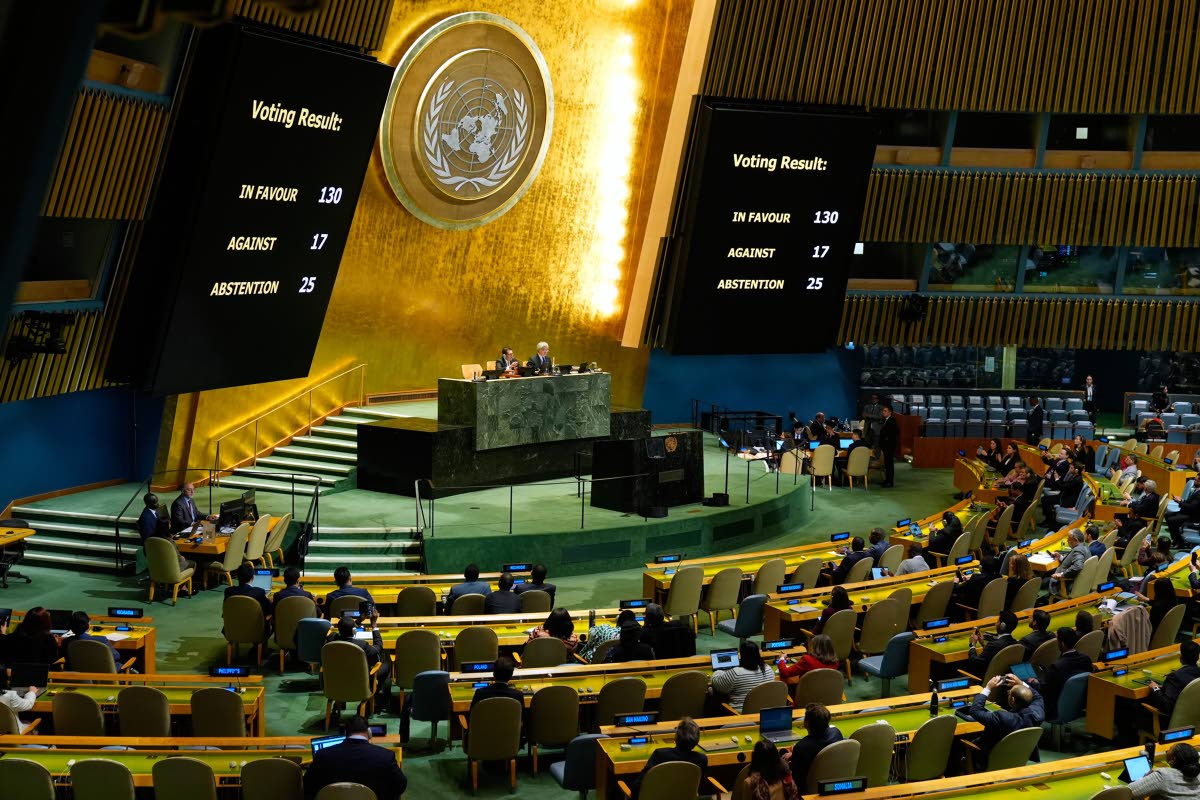 The results of a vote on ending the United States’ blockade of Cuba are displayed at United Nations headquarters. Photo - AP
On October 28, Jamaica abstained at the United Nations General Assembly on the resolution calling for an end to the United States embargo against Cuba. For more than 30 years, Jamaica had voted in favour. Reasonable people may differ on that change of policy. How it was made, and how the Cabinet has since accounted for it to Parliament, is another matter.
In 2009, as opposition spokesman on foreign affairs, I moved the first motion in the House of Representatives supporting the UN resolution. To my knowledge, it is still the only such motion by any parliament in CARICOM or the developing world. I mention this to explain why I take seriously how Parliament’s voice has now been treated.
WHAT HAPPENED
The Government’s own written answers establish the sequence. On October 26, the Cabinet deliberated on the vote. The prime minister now appears to say no decision was taken because Cabinet wished to hear the sentiment of the House.
On October 27, the House passed, without dissent, a motion reaffirming Jamaica’s opposition to the embargo. It was not tabled in writing as the Standing Orders require; the minister of state read it orally. The prime minister voted for it, as did the Opposition. Nothing in it hinted that Jamaica’s longstanding vote would change the next day. Yet, that same day, an explanation of vote was drafted for the UN, and that evening the foreign minister advised our UN ambassador of the decision to abstain. On October 28, the minister confirmed it. Jamaica abstained.
The Cuban ambassador, invited to hear the debate, was likewise left to discover the change after the fact. If, as the foreign minister says, the decision followed months of consideration, Parliament was kept in the dark throughout, including on the day it voted.
CENSURE MOTION
I then tabled a censure motion. It does not ask the House to agree with the Opposition on Cuba. It asks the House to record its disapproval of being allowed to pass a motion while the Cabinet withheld information directly bearing on it.
The Government says censure may be moved only against an individual minister, and that anything against the Government as a whole must be a motion of no confidence. I disagree. Under sections 68(1), 69(2) and 77(2) of the Constitution, the Cabinet directs and controls the Government and is collectively responsible to Parliament. Collective responsibility is not merely a shield ministers raise together; it is a duty they owe together. No confidence asks whether a Government should continue; censure marks conduct the House finds unacceptable. If Parliament could censure one minister but never the Cabinet, then the more ministers who share in a failing, the less answerable they would be.
Besides, if Cabinet took no decision on October 26, someone took it afterwards, and the written answers name the foreign minister. On the Government’s own test, the motion is properly directed.
I asked whether Cabinet met again after the House voted. That went unanswered. Either the decision was made outside Cabinet, or Cabinet delegated it on terms the House has not been told.
HOUSE CONSULTED WITHOUT BEING TOLD THE QUESTION
The prime minister called the House’s vote important to the Government’s final position. If so, members were entitled to know before voting that abstention was on the table. A House consulted without being told the question is not consulted at all. Its answer was unanimous opposition to the embargo. Within hours, the Government set it aside without saying what outweighed it.
The explanation of vote was drafted on October 27, before any decision existed, on the prime minister’s account. One drafts an explanation of an abstention when abstention is the expected outcome.
The prime minister claimed the motion’s terms signalled the shift. That cannot stand beside his claim that no decision had been made. The press, the Opposition, the Cuban ambassador and, it appears, government members all read the motion as continuity. A signal no one received was never given.
The prime minister admitted that both the United States and Cuba lobbied Jamaica, as in past years, but denied any pressure. If the lobbying was unchanged, it cannot explain why the vote changed. If it was different, the country deserves to know how. Washington has since publicly welcomed the abstention. Promise made; promise kept?
The prime minister said Jamaica acted in line with its values and interests but named no interest the abstention served. An interest that cannot be identified in Parliament invites the very suspicion he denies.
The resolution is substantially the same each year. Only the Government’s policy changed.
STANDARD OWED TO PARLIAMENT
Under the Westminster system, the executive conducts foreign policy but answers to Parliament for it. That depends on candour: ministers must not mislead Parliament by what they say or by what they knowingly leave unsaid.
By that standard, the Government failed three times. It let the House vote while withholding that abstention was under active consideration. It set aside the House’s unanimous view within a day. And it offered two accounts that cannot both be true: that the motion signalled a decision, and that no decision had been made.
This is not about the Government’s authority to change policy. It is about whether Parliament was treated as the body to which Cabinet is answerable, or as an audience to be managed.
WHAT I ASK
I again ask the Government for a full and straight account:
– Who took the decision to abstain, and when?
– Did Cabinet meet after the House voted? If not, on what authority was the decision made?
– What outweighed the unanimous view of this House?
– What specific national interests did the abstention serve?
The House spoke with one voice on October 27. The Cabinet said it wished to hear that voice, then acted against it within hours without explanation. Parliament is owed an honest account. The censure motion was correctly moved. It was improperly guillotined by the Speaker.
Anthony Hylton is the member of parliament for St Andrew Western and the opposition spokesman on industry, investment, trade and global logistics. Send feedback to columns@gleanerjm.com