Theresa Rodriguez-Moodie | Paying attention to the real cost of AI infrastructure
Loading article...
-
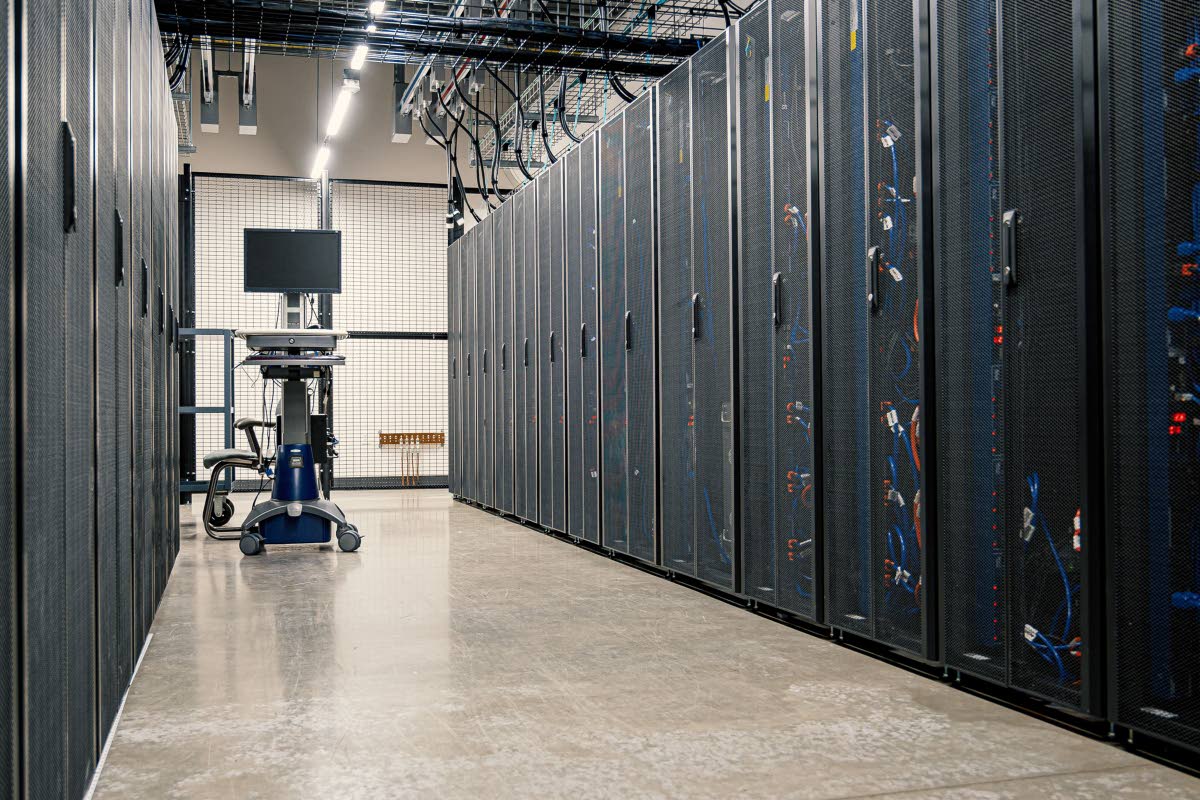 Representational image of a data center. Photo - Pexels
-
Representational image of a data center. Photo - Pexels
-
 Rodriguez Moodie. Photo - File
On November 15, at the Jamaica Labour Party’s conference, Prime Minister Dr Andrew Holness announced that the Government had approved the signing of a memorandum of understanding (MOU) with overseas investors to explore the establishment of artificial intelligence (AI) infrastructure in Jamaica.
It is not clear whether this is code for data centres, as they typically account for the largest physical share of AI infrastructure. If it is, one has to wonder whether those entrusted with looking after the well-being of Jamaicans are paying attention to the growing concerns about this infrastructure in other parts of the world.
Around the world, communities and governments are raising concerns about the enormous land, water, and electricity demands of AI and cloud infrastructure. Since 2024, dozens of environmental and zoning lawsuits have been filed in countries such as the United States, Ireland, the UK, and Chile. In June 2026, a coalition of mayors from 40 cities launched the Global Urban Data Centres Pact, calling for better planning, resource efficiency, clean energy, and greater accountability from data centre developers.
WHY SHOULD THERE BE CONCERNS?
Data centres are essentially large warehouses filled with servers and other equipment that operate around the clock. They require large amounts of electricity and cooling to keep the equipment from overheating. Their water and energy demand places considerable pressure on the resources available to surrounding communities.
A large AI facility, for example, can use up to five million gallons of water per day (MGD). This would consume one-third of the planned daily output of the new 15 MGD Rio Cobre Water Treatment Plant, which is still under construction. The plant is intended to improve water supply to Kingston, St Andrew and St Catherine and address longstanding shortages. To put that volume in perspective, keeping one large AI facility from overheating demands a constant daily flow of clean water equal to what tens of thousands of families use at home every single day.
Actual water consumption would depend on the size of the facility, the cooling technology used, and the source of the water. Some systems use considerably less water than others. That is precisely why the public should know what is being proposed and what the resource requirements would be before announcements and commitments are made.
What will the energy source be? Data centres are among the fastest-growing sources of electricity demand globally, operating continuously. Most are powered by fossil fuels, although renewable energy can also be used. However, we must ask whether that renewable electricity could otherwise be used to reduce energy costs for households and businesses or support the transition of other sectors away from fossil fuels.
Where will they be located? These are very large industrial facilities. Jamaica is a relatively small, mountainous country with competing demands for land for housing, agriculture, industry, and conservation. There are also concerns about noise from generators, cooling equipment, and ventilation systems, which can affect people living nearby and wildlife. What are the implications for nearby communities and the environment?
QUESTIONS THE GOVERNMENT NEEDS TO ANSWER
We need the prime minister to clarify exactly what will be covered by this MOU. Who are the investors? What type of AI infrastructure is being proposed? Are data centres involved? Where are these facilities likely to be located, and what are their projected water and electricity requirements? Has any assessment been done of the potential environmental and social impacts? Do we have the legal framework to regulate them?
An MOU is a preliminary step, but that is all the more reason for the Government to be transparent now.
The island is already struggling to provide reliable and affordable electricity and adequate water for homes and businesses. The Government has a responsibility to look beyond the immediate promise of investment and consider the longer-term implications for the country and its people.
Theresa Rodriguez-Moodie is an environmental scientist and chief executive officer of the Jamaica Environment Trust.