Rosemary Campbell-Stephens embraces retirement on her own terms
Loading article...
-
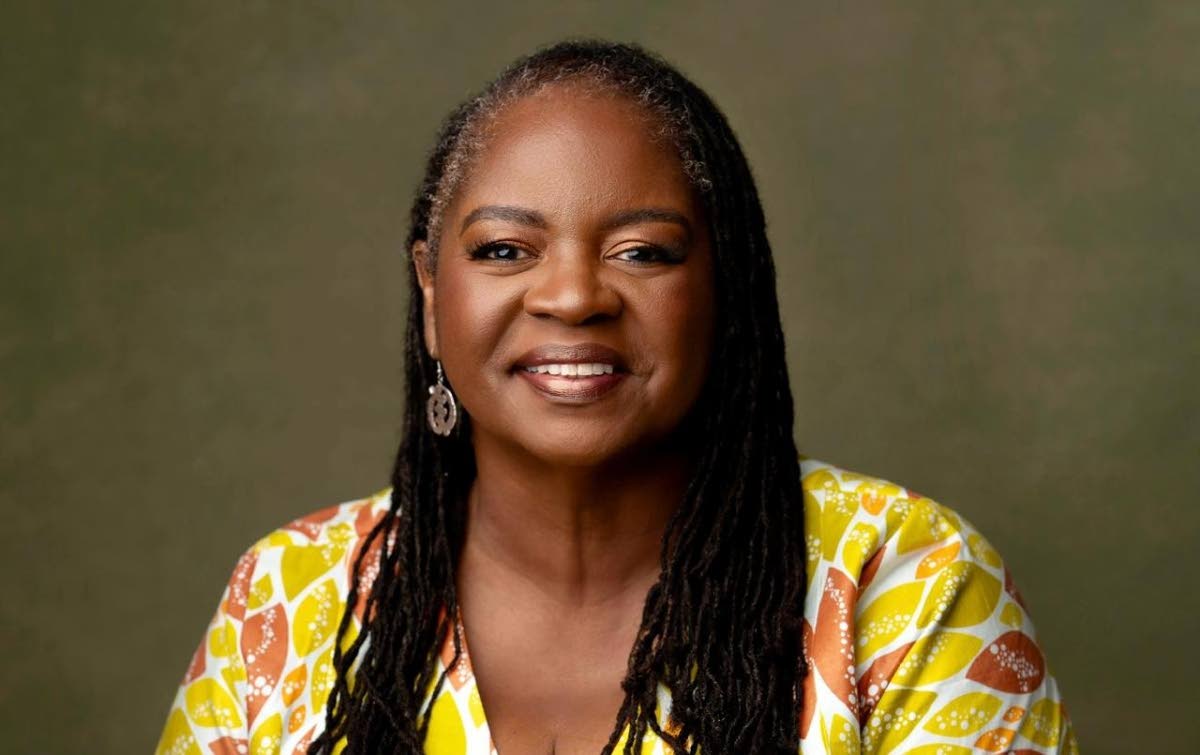 For Rosemary Campbell-Stephens, retirement has given her the freedom to shape her professional commitments on her own terms rather than bring them to an end. Photo - Contributed
-
For Rosemary Campbell-Stephens, retirement has given her the freedom to shape her professional commitments on her own terms rather than bring them to an end. Photo - Contributed
-
 Campbell-Stephens (centre) shares her retirement story and insights on living and doing business in Jamaica during a panel discussion at the sixth Throp-X Investment Conference on November 17. Pictured with her are fellow panellist Daniel Grizzle (right), hotelier, agriculturalist, and owner of Charela Inn, alongside conference host and moderator Amashika Lorne. Photo - Contributed
We often make promises to ourselves. They may be goals we hope to achieve, places we dream of visiting or changes we intend to make when the time feels right. Some stay with us for years, waiting for the opportunity to become reality. At 21, Rosemary Campbell-Stephens promised herself that, one day, she would return to Jamaica and make the island her home. Decades later, after building an accomplished career in education in the United Kingdom and earning recognition for her contributions to the profession, she finally fulfilled that promise. Now settled in Hanover, the educator, author, leadership consultant and entrepreneur has embraced a new chapter filled with professional opportunities, creative pursuits, and a deeper connection to the island she has always considered home.
Retirement has not meant stepping away from professional life for Campbell-Stephens. Instead, it has given her the flexibility to pursue work on her own terms. Through her boutique business, she facilitates training, provides consultancy services and accepts public speaking engagements. She also organises retreats, drawing on connections built across western Jamaica to create experiences for her clients.
Although dancing and an appreciation for music have always been part of her life, returning to the island also gave her the opportunity to pursue deejaying more deliberately. What began with bringing small speakers to gatherings on Seven Mile Beach, Negril, has since grown into opportunities to provide music for birthdays, New Year’s celebrations, community events and other occasions across the island.
Encouraged by her husband, William, whose extensive musical knowledge has helped shape her playlists, she has invested in outdoor speakers and a DJ deck as she continues to develop her mixing skills.
“For me, deejaying is healing and release. It’s an expression of love and freedom and of being in community. I just love to bring people joy through the music I play. Music is magic,” she said of the craft.
Community has also become an important part of her life in Jamaica. Every other Saturday, she joins the Dominoes and Sea Dip community on Seven Mile Beach, where returnees and friends come together over food, music, dominoes and time in the sea. The friendships formed through these gatherings have strengthened her belief in the importance of finding one’s community and remaining open to meaningful connections with people from different backgrounds.
HER ROOTS
Born in Birmingham to Jamaican parents of the Windrush generation, Campbell-Stephens grew up in a household where Jamaican identity was central to family life. Her first visit to the island came shortly after completing her degree at the University of Birmingham. Her mother presented the trip as an opportunity to understand her heritage, telling her, “You’ve started your book learning, so now you need to learn about who you are.”
The visit proved transformative. In Mountpeace, Hanover, her father’s birthplace, a resident recognised her while she was walking along the road with her mother, remarking, “You’re son Campbell’s daughter.”
Having lost her father at a young age, being recognised as his daughter in the community where he was born gave her a profound sense of belonging. The encounter reinforced her desire to one day settle in Jamaica.
MAKING HER MARK
Across the seas, her professional career in Britain continued to flourish. Having worked as a teacher, Ofsted inspector and secondary school principal, she transitioned into leadership development consultancy in 2003. She designed programmes to diversify school leadership and support black and Asian teachers, while advising the Department for Education and Skills. During this period, she developed the concept of the Global Majority, which recognises cultural identity as an important part of professional identity and leadership.
Her work also led to a collaboration with Elaine Foster-Allen, Shortwood Teachers’ College and The University of the West Indies on an educational leadership symposium that brought aspiring school leaders from London to Jamaica. In 2015, she received an MBE in recognition of 35 years of service to education.
That same year, Campbell-Stephens and William made their long-anticipated move to Jamaica. Having purchased land next to her sister’s property in Hanover several years earlier, the couple had built a home there in preparation for their transition. Although they envisioned a slower pace of life, professional opportunities soon emerged. Within a year of arriving, she was appointed director of the National College for Educational Leadership within Jamaica’s Ministry of Education. For the next year, she spent much of her working week in Kingston, contributing to the development of the country’s next generation of school principals.
Her ability to continue working on her own terms was particularly important following Hurricane Melissa in October 2025, when Internet and cable services in her community were disrupted for a year. The Cliff Hotel and Spa in Negril provided a space from which she could continue working and delivering training, while also extending access to its facilities to members of the surrounding community.
Her connection to Hanover, however, goes beyond the relationships she has cultivated. The land on which her family now lives was once part of a plantation, and a gravestone bearing the surname Crooks, belonging to a plantation owner and his daughter, stands in her sister’s garden. Crooks was also her paternal grandmother’s maiden name. The discovery has given the family’s return a spiritual significance that deepens her understanding of home.
“Now we own that land, and we are living the best chapter of our lives,” she explained.
The promise made in her early 20s has been fulfilled, but Campbell-Stephens has no intention of allowing retirement to define the limits of what comes next. She continues to pursue projects, share her knowledge and explore new interests, while making room for the experiences and relationships that bring her joy. Her outlook is perhaps best expressed in her own words: “I have retired from working for somebody else, but I haven’t retired from the ‘work’ I am here to do, which I define as my purpose, what I was put on this earth to do.”
Her advice to those considering retirement in Jamaica is to approach the transition with an open mind, realistic expectations, and a willingness to embrace all that island life has to offer.
Campbell-Stephens shares five considerations for making the move:
1. Consider your timing
Be honest about where you are in life and whether this is the right time to make the transition. Think carefully about how your retirement plans align with your personal circumstances and what you hope to gain from living in Jamaica.
2. Come with an open mind and a flexible outlook
Understand that Jamaica has its own pace, systems and circumstances as it works towards developmental goals. Patience is important, particularly when navigating processes that may take longer than expected. Communicate clearly, make an effort to understand others and ensure that expectations are understood on both sides.
3. Remember that you bring yourself home
Relocating to Jamaica will not automatically eliminate the frustrations or challenges you experienced overseas. Some things may feel more pronounced because of the adjustment, but it is important to recognise that challenges are not unique to Jamaica. A willingness to adapt and manage your expectations can make the transition easier.
4. Build your community
Finding your people and establishing meaningful relationships are essential to feeling settled. Make an effort to connect with others, participate in community activities and embrace opportunities to develop friendships. Living in community, rather than simply occupying a space, can make a significant difference.
5. Embrace a healthier, outdoor lifestyle
Take advantage of Jamaica’s sunshine, fresh local produce, and access to nature. Spend more time outdoors, enjoy the beaches, rivers and countryside, and consider growing your own food. Where possible, make it a community effort, sharing produce and resources with neighbours.
lifestyle@gleanerjm.com