Major land take for Port Antonio Bypass
Loading article...
-
 Vandalised Port Antonio Bypass sign.
-
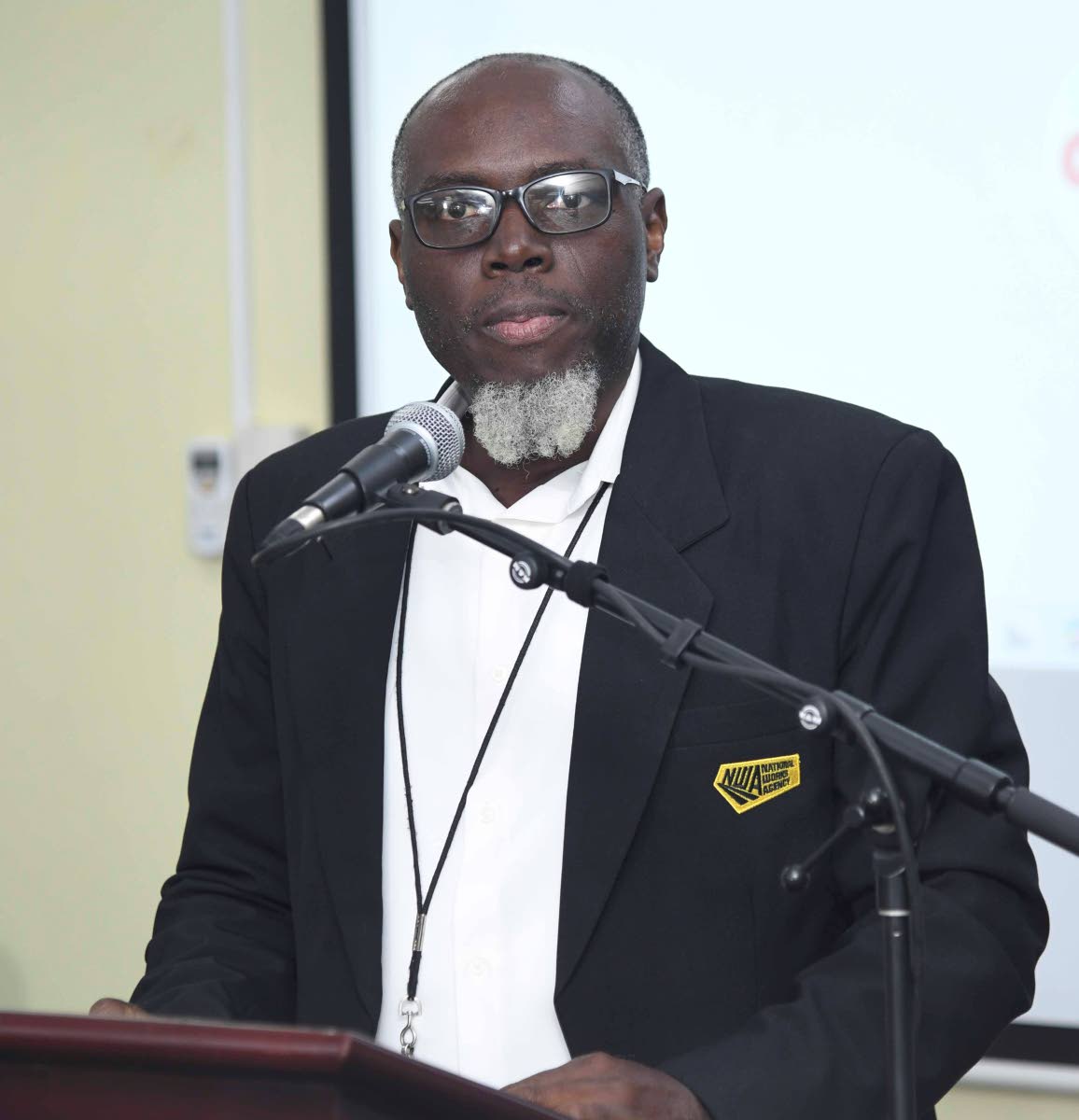 Stephen Shaw, manager of communication and customer services at the National Works Agency.
Nearly 300 parcels of land are to be acquired for the construction of the new Port Antonio Bypass, a US$81 million (J$12.6 billion) scheme being delivered under the Southern Coastal Highway Improvement Project (SCHIP).
A list of affected parcels has been posted at the Port Antonio Post Office, and the information is also available on the National Works Agency’s (NWA) website. Residents are being advised to contact the NWA or the National Land Agency (NLA) with any questions concerning the acquisition process.
Although a sizeable share of the land take falls on publicly held property, principally parcels owned by the Commissioner of Lands, the human impact appears substantial.
The NWA estimates that approximately 313 structures will be affected. Public lands also account for some of the largest single acquisitions, including parcels at Red Hassell/Red Hazel and within the Titchfield Trust Lands.
Stephen Shaw, manager of communication and customer services at the NWA, said the agency is working closely with the NLA to ensure that affected persons are properly engaged. Notices have been served on interested parties, and discussions on compensation are under way.
The bypass construction is expected to begin within the next eight weeks and is slated to take 18 months. Under the contract, China Harbour Engineering Company (CHEC) Limited is responsible for designing and building the 7.5-kilometre road. The bypass will run from Turtle Crawl Harbour, east of Port Antonio, to Norwich in the west. Shaw said the design phase is nearing completion; however, CHEC has already begun clearance activities on government-owned land as part of the early works.
NEW ALIGNMENT
Some 292 parcels will be acquired in whole or in part to accommodate the new alignment, which will run south of Port Antonio and include three access points into the town’s commercial district. The scheme includes four traffic lanes divided by a concrete median, improved drainage infrastructure, at least one bridge, traffic-light installation and the laying of fibre-optic ducts.
The bypass is being executed in two phases. Phase two will extend the corridor for a further 11 kilometres from Turtle Crawl Harbour to Boston Bay.
At last June’s groundbreaking, Prime Minister Andrew Holness said the bypass would “unlock new commercial zones, stimulate land development, and create room for expansion, while maintaining Port Antonio as a quiet coastal retreat, but with a thriving economic hub.”
“The idea is not to change the nature of Port Antonio. What is happening now is that the nature of Port Antonio is being changed because of the volume of congestion in the town. So what we want to do is to move the traffic that doesn’t need to be in the town, out of the town.”
Holness described the scheme as a people-centred development intended to broaden opportunities for farmers, craft vendors, shopkeepers and small businesses. He argued that the bypass will connect “the coast to the countryside, the farms to resorts, and the world to Portland.”