Williams urged to put financing behind support for women
Loading article...
-
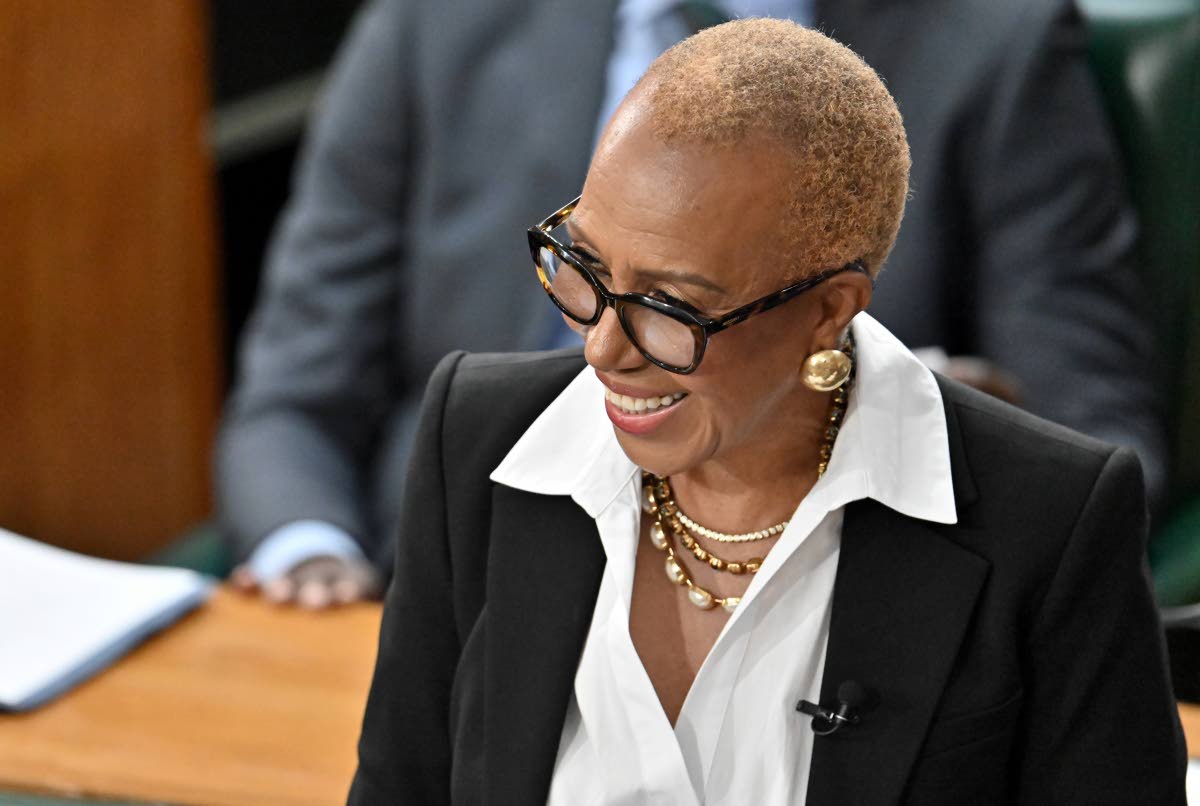 Fayval Williams, minister of finance and the public service, making her opening presentation in the 2026-2027 Budget Debate in the House of Representatives yesterday.
-
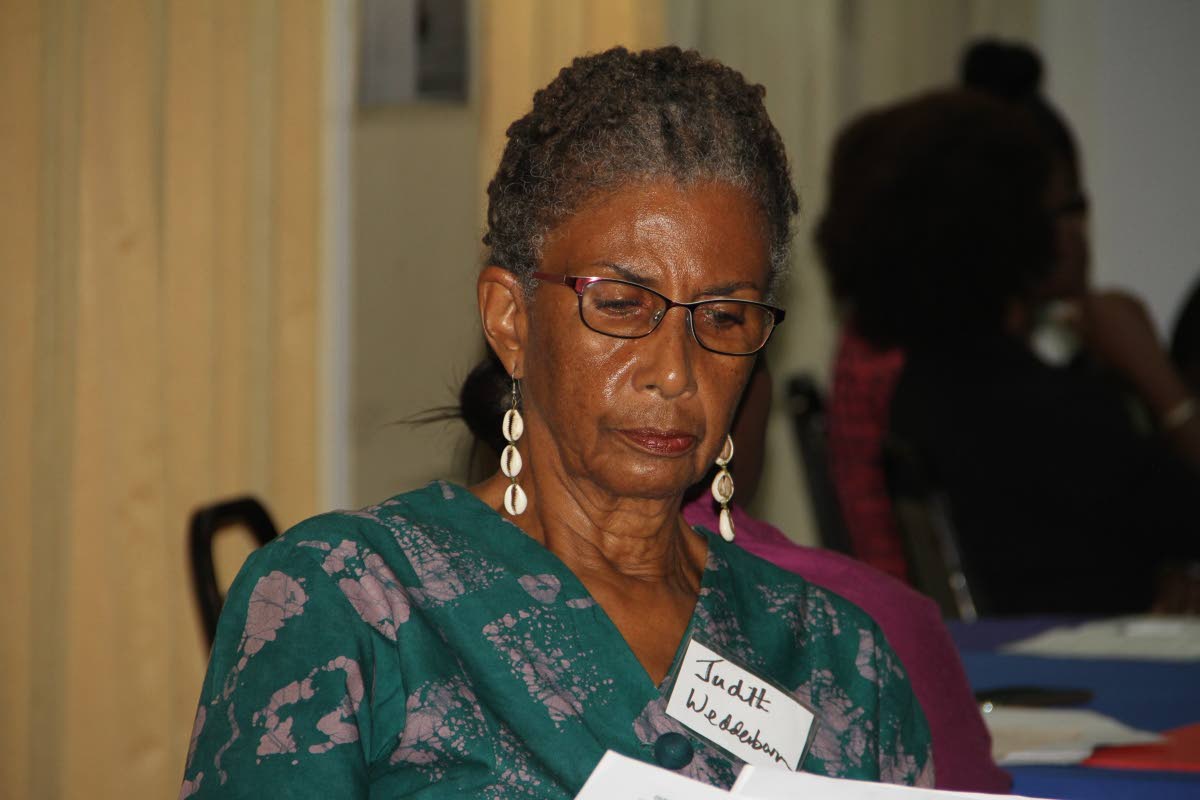 Judith Wedderburn
-
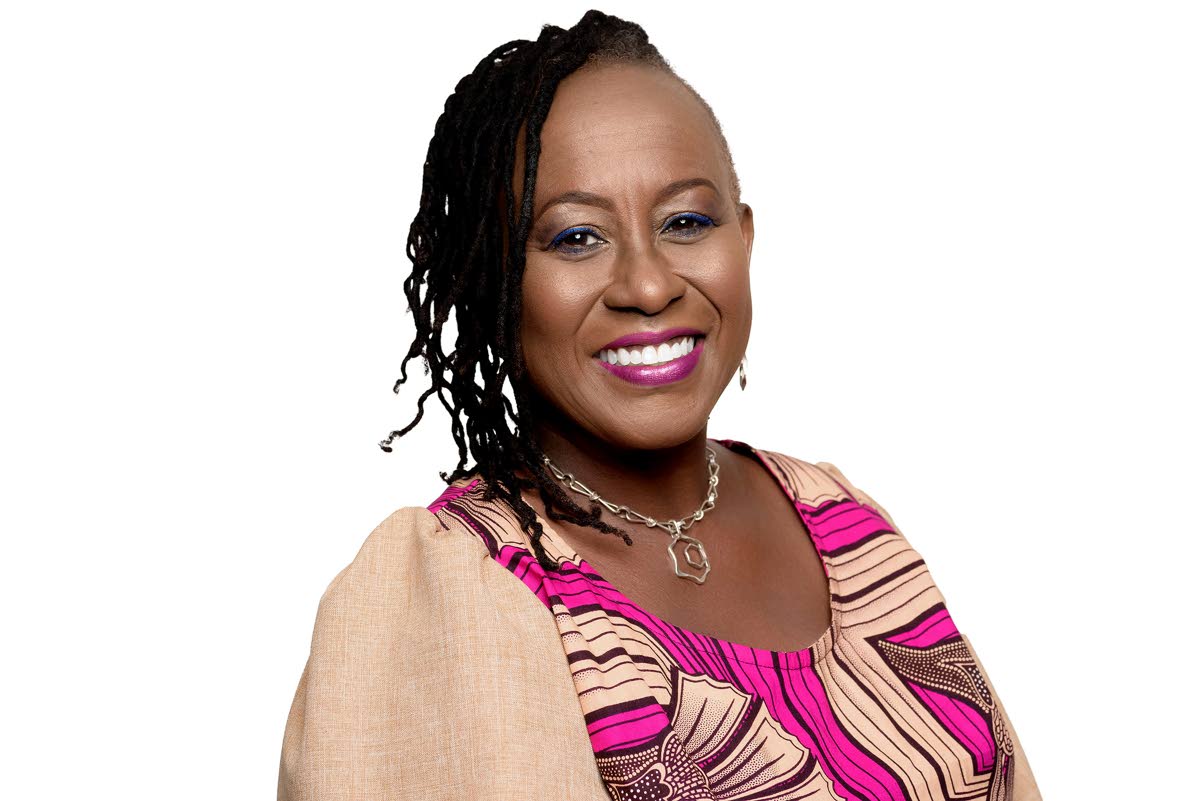 Dr Opal Palmer Adisa
Gender advocates, while lauding Fayval Williams, minister of finance and the public service, for turning the spotlight on sexual harassment and abuse, are at the same time calling for those sentiments to be backed up by action.
Williams, the first woman to hold what is one of the most powerful positions in Jamaica’s Cabinet, used her opening statements of the 2026-2027 Budget Debate to put the spotlight on some of the horrors and discrimination that women face.
Pointing to her own journey, Williams, who has been finance minister since October 2024, urged women and girls not to allow their gender to limit their aspirations towards careers traditionally considered male-dominated fields.
Williams, whose comments came days after International Women’s Day, which was celebrated on Sunday, March 8, was speaking as Jamaica grapples with intimate-partner violence and on the same day when former parliamentarian Jolyan Silvera officially began his 20-year sentencing for killing his wife, Melissa.
“But, Madam Speaker, my thoughts did not stop there. I reflected on stories that have been surfacing over time concerning our women, especially the stories about intimate-partner violence and those stories of unwanted sexual overtures by some of our men who feel they have a right, or feel entitled.”
Williams, who is also the member of parliament for St Andrew Eastern, encouraged women not to be bullied into not using their voices, assuring them she stands ready to listen.
SILENCE IS NOT CONSENT
“Madam Speaker, I say to women all across Jamaica, because you do not object to the sexual overtures does not mean you give approval. Do not let anyone tell you that ‘silence means consent’. Mash down that lie. It is one of those sayings that we are told from childhood days. That phrase, Madam Speaker, ‘silence means consent’, is meant to shut us down. It is meant to have us crawl into ourselves and never utter a word about the abuse or the abuser. And so I say to all our Jamaican women, married or unmarried, and to our girls who are suffering in silence, I pray you find your voice. I encourage you to speak out. Your boldness will help to sensitise this Jamaican society and begin the change in the hearts and minds of each person in our society. I know of which I speak.”
Judith Wedderburn, gender and development and human-rights practitioner, and Dr Opal Palmer Adisa, gender affairs expert, support the minister for what they described as departing from the culture of Budget Debates.
“It sounds like a personal commitment to stand by women, and we look to see what will these commitments actually lead to,” Wedderburn told The Gleaner. “Will they lead to adequate resources being made available to the Bureau of Gender Affairs to fulfil its mandate, according to the National Policy on Gender; more resources for more shelters in this Budget year; or to domestic violence prevention centres in those parishes which do not have one and to the specific training of staff/officers to deliver the gender-sensitive support; and guidance when women visit a centre looking for protection?”
Wedderburn also questioned whether the comments were the minister’s personal position, the Cabinet’s or the governing Jamaica Labour Party’s.
“The Cabinet’s endorsement is critical, and she would need to convince this body about the urgency of attending to the matters she has raised, if not in this Budget year, then a commitment for resources in the Supplementary Budget. Our job is to monitor the performance of herself and the Cabinet to see what is actually done within this Budget year to support the minister’s statement,” said Wedderburn.
And, speaking on Tuesday on Radio Jamaica’s Beyond the Headlines, Palmer Adisa, described Williams’ statements as an important declaration, but, like Wedderburn, she wants more.
FINANCIAL BACKING NEEDED
“That declaration has to be followed up with finances to help women to find their voices; with finances so that when women report gender-based violence, there’s police at every station who can help them and that they are not sent back on the weekends; that the right and proper procedures take place. And that doesn’t happen just by wishing or telling women to speak up. It happens by absolutely putting budgetary items to make that happen.”
Dr Palmer Adisa insisted that policies and programmes must buttress the “wonderful speech”.
“Show me the services that you are budgeting for that allocate and provide space. Show me what budget is being put to education for the young girls, so that they know they are right to speak up. Show me what shelters or how are we making sure that when women file a restraining order, that those are being implemented and that they are being protected. Show me that police at every station is being trained so that when I come and make a complaint, it’s not just, ‘We cyah deal wid dat dis week, come back Monday when somebody’s here.’ In other words, it’s a wonderful speech, but that speech has to be backed up by programmes which have to be financed,” Dr Palmer Adisa argued.
A 2021 United Nations report says 28 per cent of women in Jamaica have suffered intimate-partner violence during their lifetime, and 23 per cent have suffered sexual violence from a non-partner.
There are two government-run shelters in Jamaica for women victimised by domestic violence.
karen.madden@gleanerjm.com