Former public defender hails Bengal mining ruling
Loading article...
-

Former Public Defender Arlene Harrison. - File photo
-
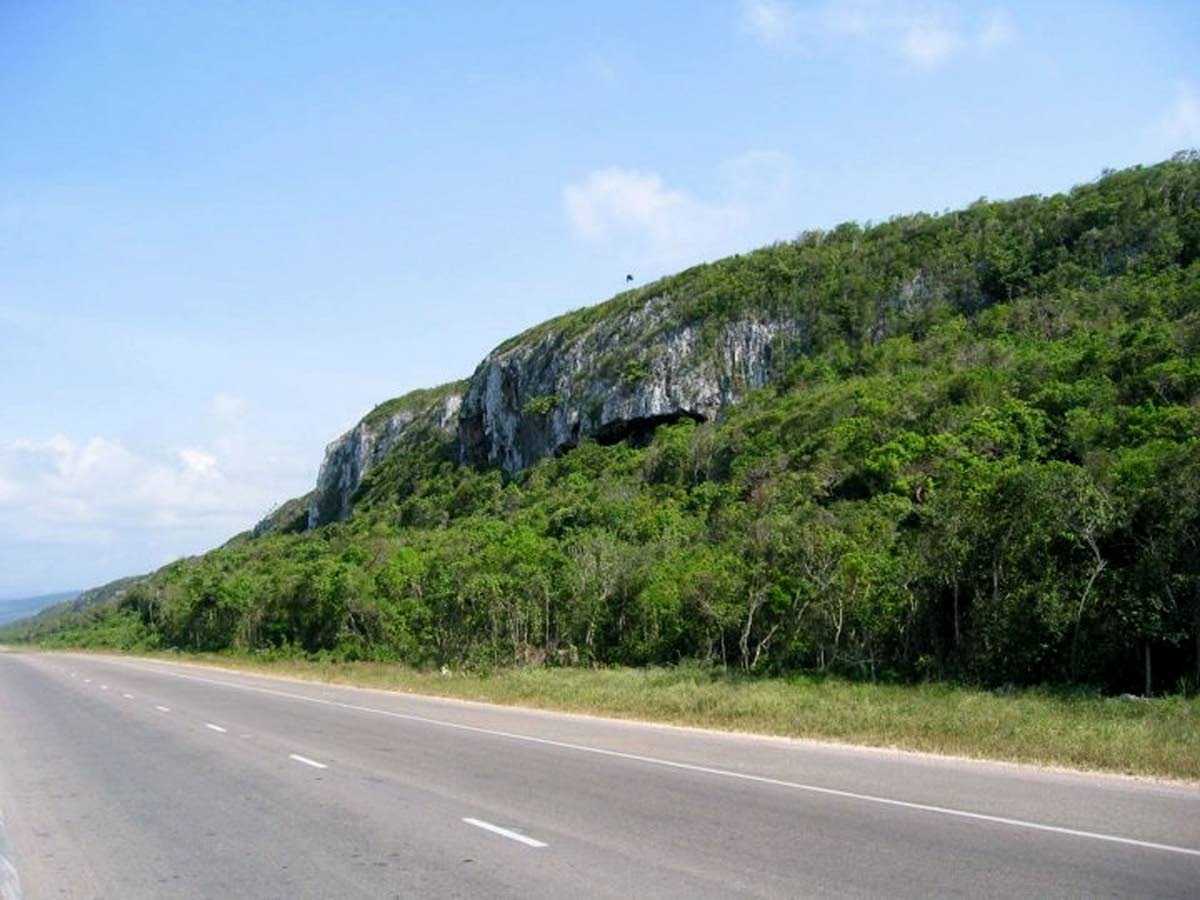
A section of the Puerto Bueno Mountain, also called the Dry Harbour Mountains, in St Ann.
Former Public Defender Arlene Harrison has welcomed Wednesday’s landmark Constitutional Court ruling on the controversial Bengal mining permit, describing it as a pivotal moment in the protection of Jamaicans’ environmental rights.
Speaking in the aftermath of the decision, Harrison said the judgment signals a significant shift in how constitutional protections are interpreted and enforced.
“I think today is a particularly important day for Jamaica and other jurisdictions because the court, for the first time so far as I know, has made a ruling in relation to aspects of our environmental rights and the protection of those rights by our Charter of Fundamental Rights and Freedoms,” she said.
Harrison emphasised that the ruling should serve as a reminder of the role of the Office of the Public Defender, noting that it is there to assist citizens who believe their environmental rights are under threat.
“The Office of the Public Defender is an office that serves the public and has resources to assist where persons are of the view that an environmental right has been breached or is likely to be breached,” she said, pointing to issues such as beach access and policy decisions affecting communities.
Harrison, an attorney-at-law, stressed that Jamaicans no longer need to wait until environmental harm occurs before seeking legal protection.
“What is important about this case is that the damage is not yet done… we don’t have to wait for the bulldozers to come along. We can seek protection,” Harrison noted, referencing constitutional provisions that guard against the likelihood of harm.
The former public defender also urged greater use of state institutions established to safeguard citizens’ rights.
“We have long moved out of a jurisdiction where only rights between citizens and police are looked at… we have widened that to include matters such as environmental rights,” she said. “The Office of the Public Defender is a central point that you should start from.”
Harrison further added that other agencies, including the Ministry of Labour and the Independent Commission of Investigations (INDECOM), also play key roles in protecting various rights.
Harrison's comments follow a ruling by the Constitutional Court that struck down an environmental permit granted in 2020 to Bengal Development Limited for mining in the ecologically sensitive Dry Harbour Mountains in St Ann.
In its judgment, the court declared the permit null and void and issued an injunction preventing the company from carrying out quarrying or related activities under the licence.
Justice Sonya Wint-Blair, who presided over the three-member panel, underscored that constitutional protections extend to potential harm.
“Nothing harmful has yet taken place, but the decision opened the door for it to happen,” she said, adding that the Constitution protects against both likely and actual environmental damage.
The court found that the decision to grant the permit posed a significant risk to the fragile ecosystem, despite projected economic benefits.
The ruling came in response to a constitutional claim brought by six residents, who argued that the development threatened their right to a healthy and productive environment.
They challenged the actions of the Attorney General, the Natural Resources Conservation Authority (NRCA), and Bengal Development Limited, asserting that the permit infringed on their constitutional rights.
The dispute originated in May 2020 when the NRCA rejected the company’s application on environmental and public health grounds. That decision was later overturned by Prime Minister Dr Andrew Holness, who granted the permit with conditions.
Wednesday’s judgment now halts the proposed 20-year project and reinforces the constitutional safeguard of environmental rights in Jamaica.
Harrison said the outcome should empower citizens to take action when their rights are at risk.
“These are rights guaranteed to us by the Constitution… and we need to engage to protect them,” she said.
tanesha.mundle@gleanerjm.com