Earth Today| Sports for nature
Loading article...
-
-
 Fans wait for the arrival of players from Spain’s national football team during celebrations in Madrid yesterday after Spain defeated Argentina in the World Cup final in East Rutherford, New Jersey, near New York.
FIFA WORLD Cup 2026 has come and gone, but its signal for major sporting events to become more sustainable remains, amid glaring climate change realities, including the punishing heat, as a prevailing public health concern; ballooning pollution; and biodiversity loss.
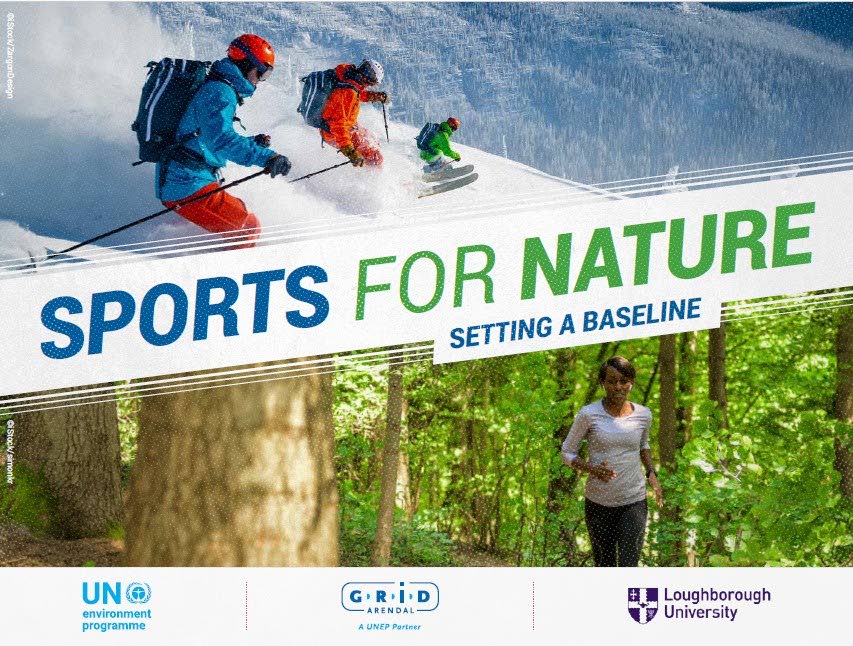
The 2022 United Nations Environment Programme (UNEP) report, Sports for Nature: Setting a Baseline, brought sharply into focus that, with the planet “out of breath” due to unsustainable consumption and production patterns, “sport is a vector for unprecedented nature-positive action with its sizable player and fan base, as well as the large spatial area it occupies”.
Fast-forward four years and UNEP has highlighted some of what is possible for the environment through the world of sport. In a July 16 story published on its website, the entity noted that, as host cities welcomed fans of ‘the beautiful game’ for this year’s World Cup, they also faced “immense pressure on transport networks, waste management systems and natural resources”.
This is even as scientists estimated the event could generate up to 15 million tonnes of carbon dioxide (CO2). CO2 is among the greenhouse gases whose emissions, courtesy of the human consumption of fossil fuels such as oil and gas, are fuelling the warming of the planet and triggering other impacts such as extreme hurricane events.
Still, the UNEP story revealed, several host cities, that are partners in its Generation Restoration Initiative, used the event as a catalyst for long-term environmental improvement, demonstrating how large sporting events can become a force for both people and planet.
This includes investments in sustainable infrastructure and nature-based solutions, as seen in Canada with the new Toronto Centennial Park training facility designed to meet net-zero emissions standards and the city’s planting of more than 57,000 native trees and shrubs across both Centennial Park and Biidaasige Park
“Seattle has restored parks along Elliott Bay, a popular urban harbour, adding natural beaches, pollinator habitats and nature play areas, and Mexico City has strengthened ecotourism and agritourism in its Conservation Soil areas, expanding green spaces for pollinators and rehabilitating public spaces using recycled materials,” the UNEP story noted.
Toronto, Seattle and Mexico City also gave attention to “making public transport, cycling and walking the easiest ways for fans to move around”, thus helping to make transportation, which accounts for some 37 per cent of total CO2 emissions, more sustainable.
Host cities also engaged communities in the design and delivery of their environmental initiatives, as seen with the Green Seattle Partnership, which restored more than 230 parks and offered environmental education and job skills training for youth.
These are together with “better planning and circular-economy approaches” that tackled waste. Toronto reportedly redirected surplus food to community organisations and introduced reusable foodware at selected FIFA Fan Festival areas, while public water refill stations were set up to reduce single-use plastics.
Seattle did recycling and composting, and had reusable water bottle initiatives in fan zones and public viewing areas, while Mexico City adopted a World Cup anti-waste strategy “designed to manage tournament waste through recycling systems and local voluntary programmes that eliminate single-use plastics”.
The efforts of the cities reflect some of the guidance provided in the 2022 Sports for Nature report, which concluded that “given the reliance of sports on nature, sports organisations are in a unique position to become key role-players in the global strategy to address the triple planetary crisis” and that “many opportunities exist for sport to directly restore and conserve nature and to educate and engage their participants to act”.
At the same time, it acknowledged that sports organisations needed additional support, including for a shared framework for action across the sports community “with clear and achievable expectations and accountability”, as well as “sport-specific, translated guidance on how to act for nature”, together with opportunities “to meet and collaborate with others working on nature and sports”.
pwr.gleaner@gmail.com