New CMU Lab to detect hidden structural defects
Loading article...
-
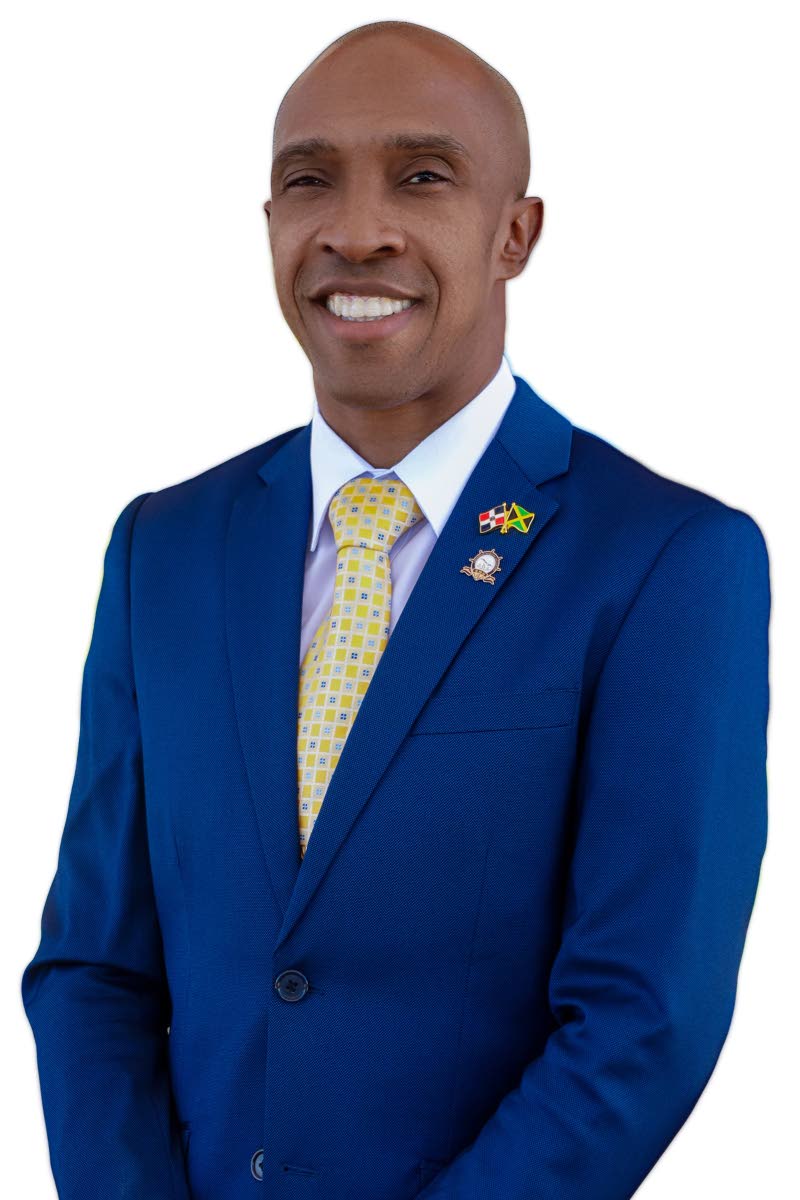 CMU President Professor Andrew Spencer
-
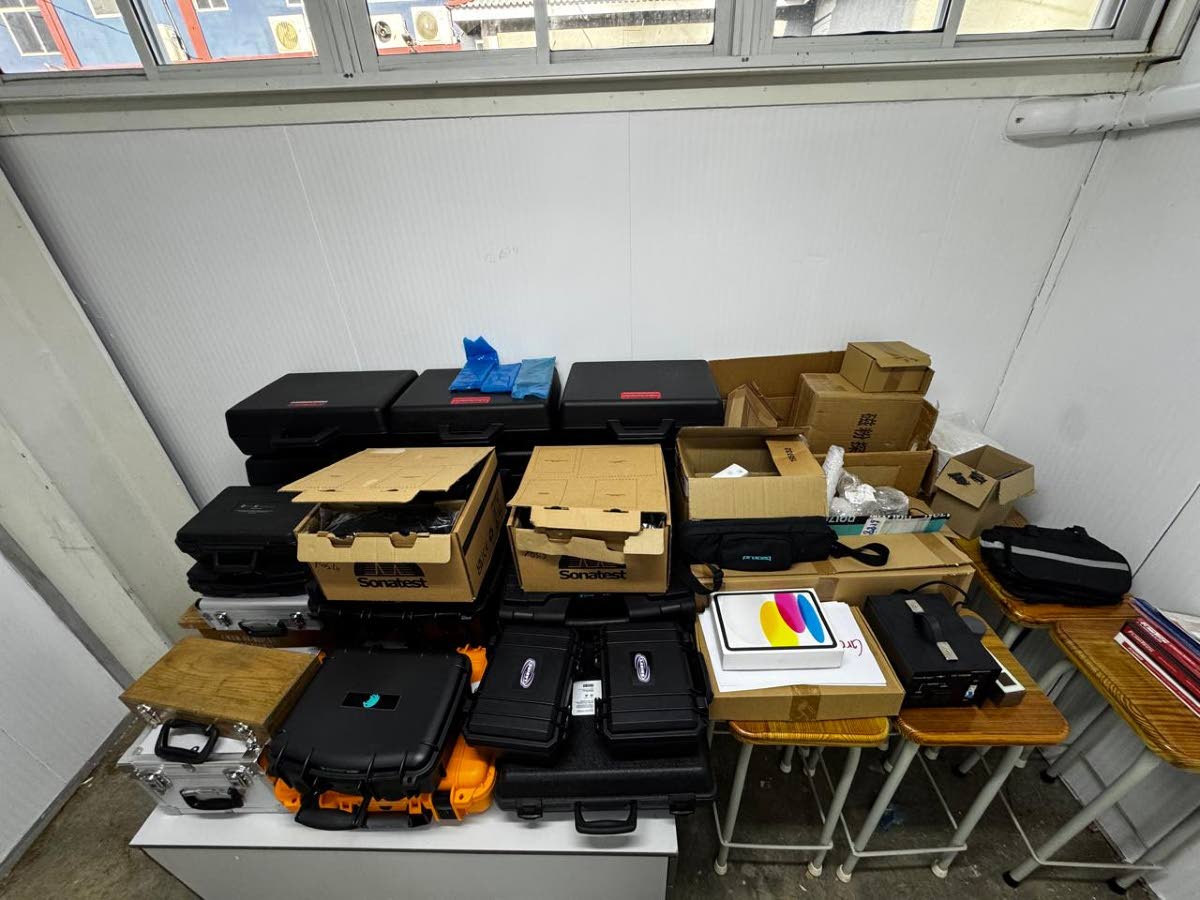 Equipment in the Caribbean Maritime University’s newly commissioned non-destructive testing laboratory.
The Caribbean Maritime University (CMU) has opened a specialised laboratory that can detect hidden defects in buildings, bridges, ships and other structures without causing damage during inspections.
Known as a non-destructive testing (NDT) laboratory, the facility uses technologies such as sound waves, X-rays, magnetic testing and electrical-current testing to identify cracks, weaknesses and other defects that may not be visible to inspectors.
“Some damages are easy to see,” said Dr Kahuina Miller, dean of CMU’s Faculty of Engineering and Applied Technology. “But, what about the hidden ones?”
The university said the technology can be used on ship hulls, welds, engine components, bridges and concrete structures, helping engineers determine what needs repair and what requires reinforcement.
Jorjea Lewis, assistant lecturer in the faculty, said NDT offers an alternative to conventional testing methods that often damage the object being examined.
“When most people think of testing the strength of an object,” she said, “they may think of a vehicle crash test – a car being driven into a wall with a crash dummy inside of it.”
Such tests provide vital information, she noted, “but it also damages the object”. By contrast, NDT can detect “flaws, cracks, or even changes that are not visible with the naked eye” while leaving the structure intact.
“We are pleased to share that we now have our non-destructive testing facilities,” said CMU President Professor Andrew Spencer. “Non-destructive testing allows us to go beneath the surface and to identify things that are not easily visible.”
One of the techniques uses sound waves similar to those employed in medical ultrasound scans to detect internal defects in metal and concrete. The university plans to offer nine testing methods in total.
The facility is expected to serve both the maritime and construction sectors.
“We’re benefiting the construction industry, which is at the heart and soul of economic development in Jamaica,” Spencer said, citing applications for buildings, bridges, roads and ports.
CMU has already begun training government engineers, including staff of the National Works Agency, in the assessment of bridges and other structures damaged by Hurricane Melissa.
The principal noted that the facility would become increasingly important as the country seeks to build more resilient infrastructure.
“As Jamaica builds back better and seeks more resilient spaces, non-destructive testing will become an integral part of that reality. We are here for the nation in that regard.”
The laboratory was funded by the International Atomic Energy Agency through its partnership with the Planning Institute of Jamaica. A CMU lecturer also received specialised training in radiation safety in Athens, Greece, with support from the agency.
For students, the facility provides a practical complement to classroom learning.
“It is a big deal,” Miller said, noting that engineering students can now move “from the theory to the practical”.