Paulette A. Ramsay | It took the death of a king
Loading article...
-
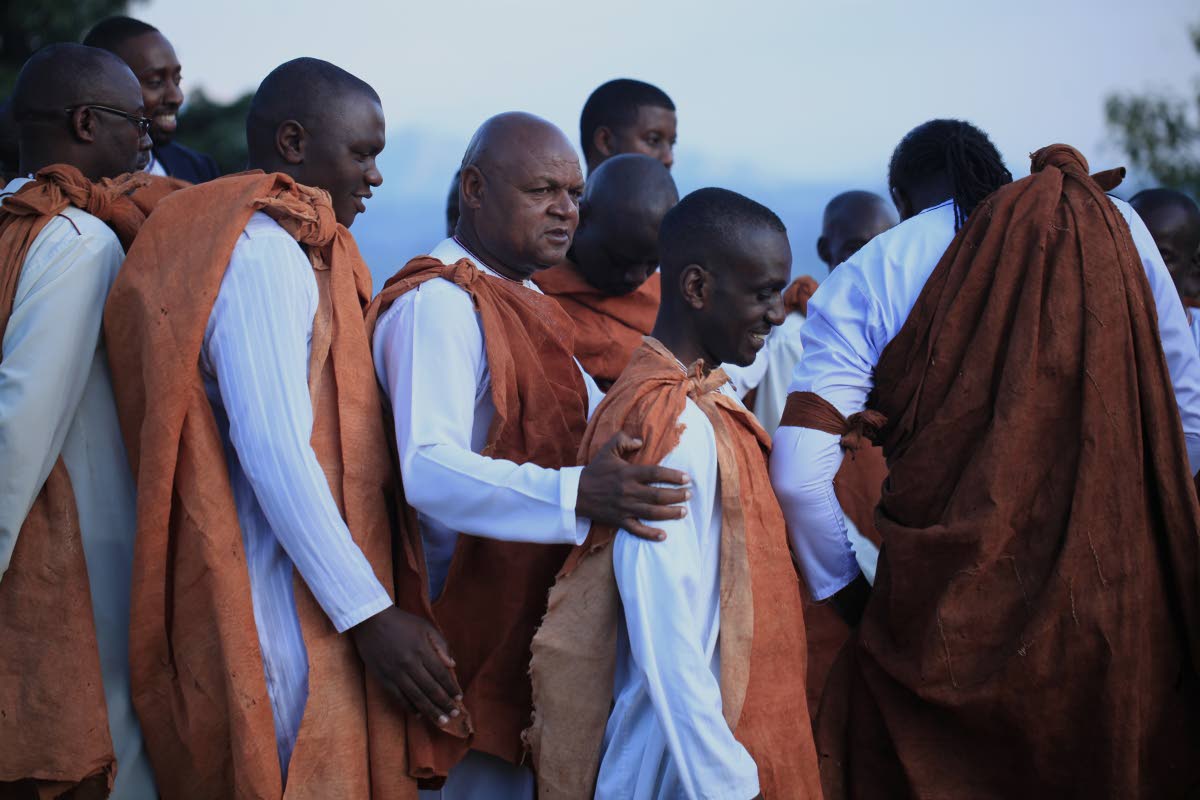 Mourners gather for the funeral of Tooro’s King Oyo Nyimba in the remote city of Fort Portal, near the Congo border in Uganda. Photo - AP
-
Mourners gather for the funeral of Tooro’s King Oyo Nyimba in the remote city of Fort Portal, near the Congo border in Uganda. Photo - AP
-
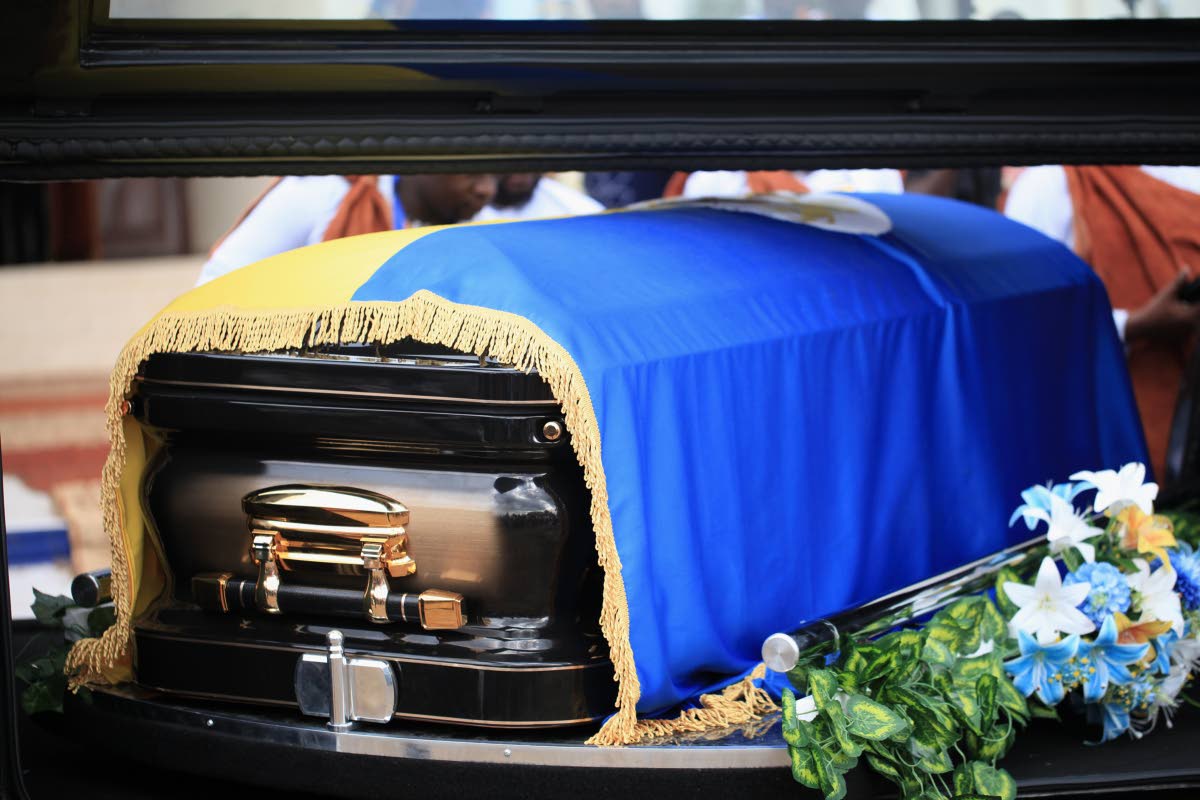 The coffin of Tooro’s King Oyo Nyimba is loaded into a hearse in the remote city of Fort Portal. Photo - AP
-
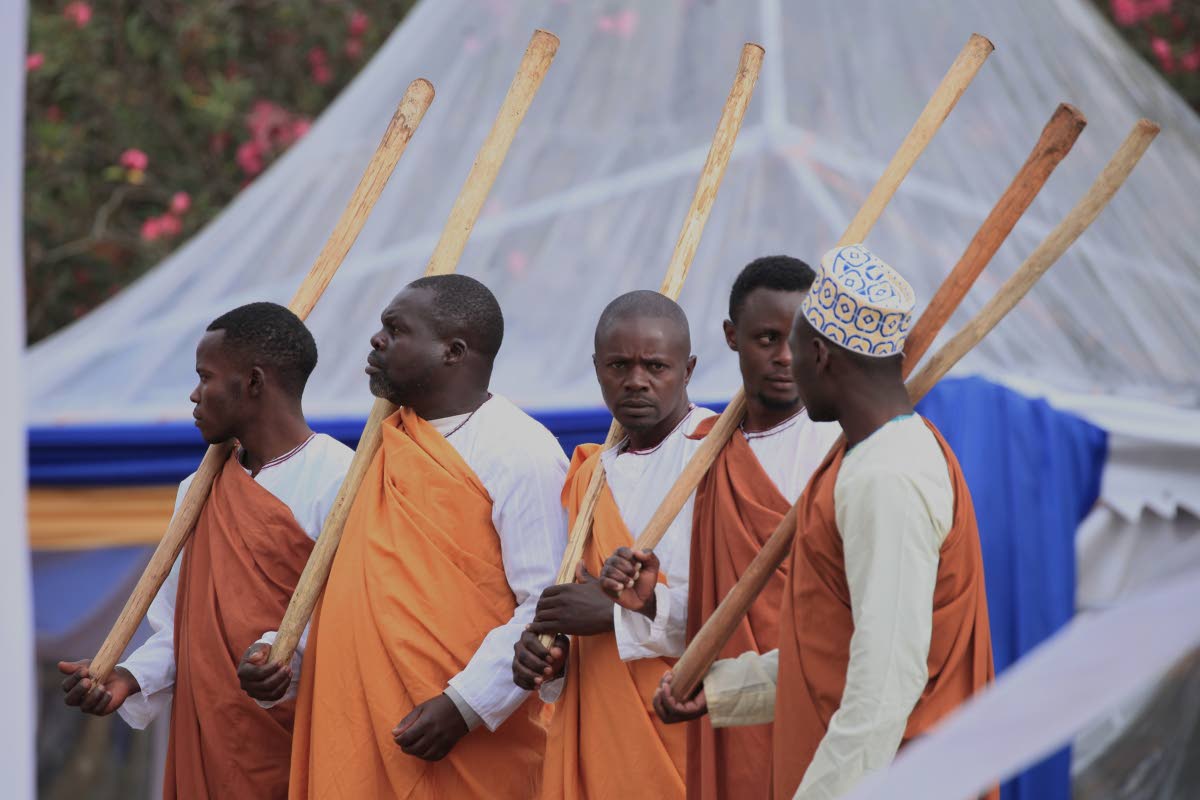 Mourners gather for the funeral of Tooro’s King Oyo Nyimba in the remote city of Fort Portal, near the Congo border in Uganda. Photo - AP
-
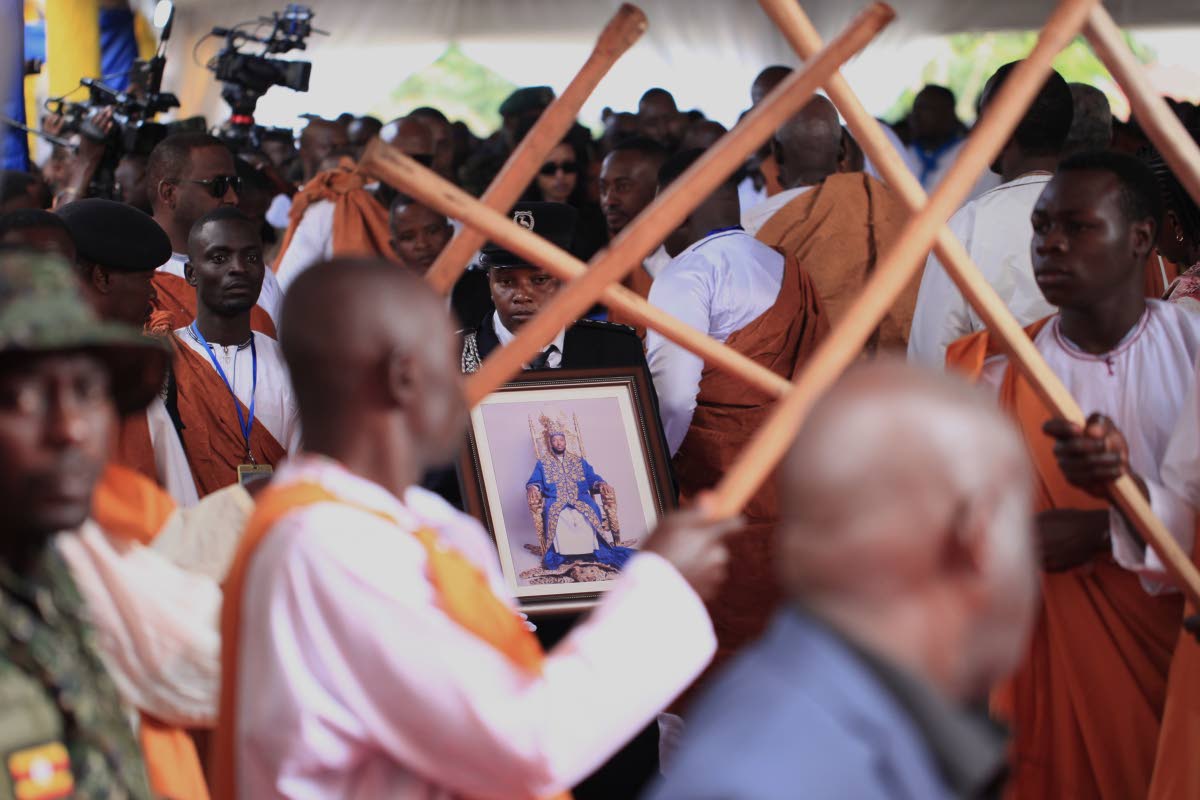 A Ugandan security officer carries a portrait of Tooro’s King Oyo Nyimba during his funeral procession in Fort Portal, Uganda. Photo - AP
-
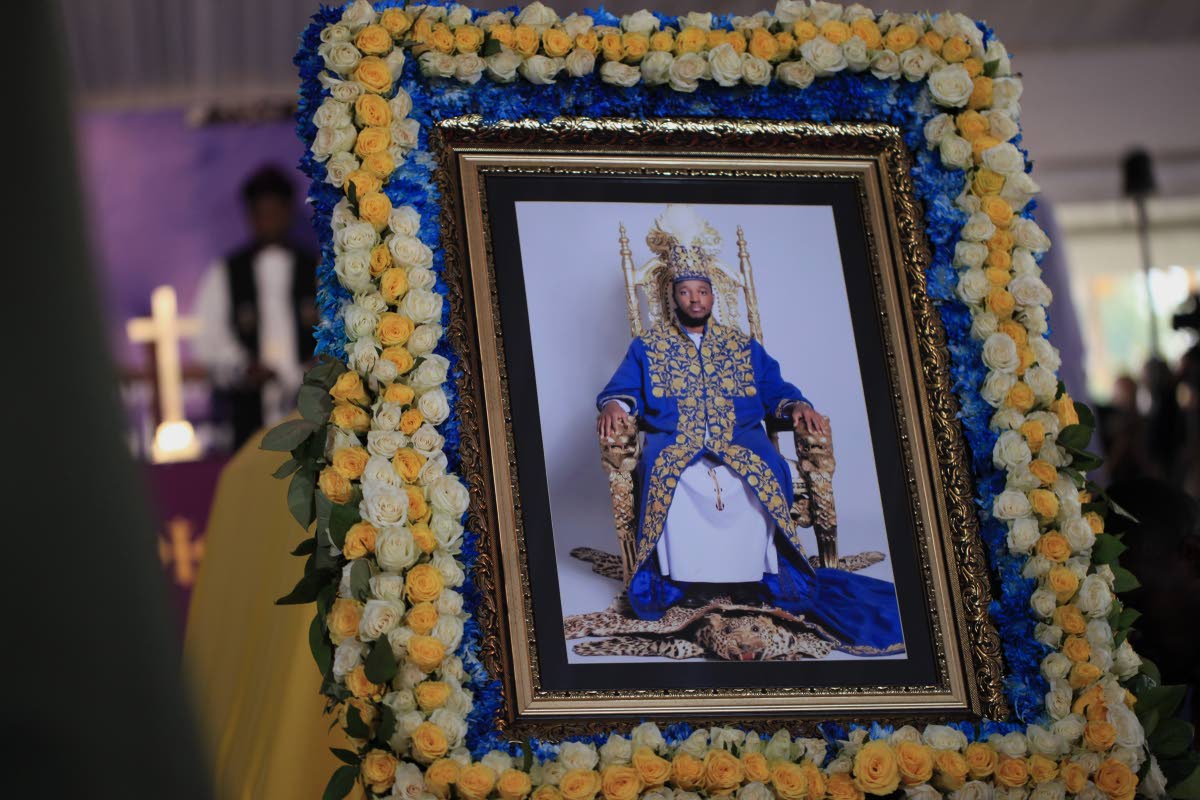 A portrait of Tooro’s King Oyo Nyimba is displayed inside St John’s Cathedral in Fort Portal, Uganda, near the Congo border on September 12. Photo - AP
I was greatly shocked by the news of the death of the young Tooro King of Uganda, Omukama Oyo Nyimba Kabamba Iguru Rukidi IV. I do recall the fascinating report of his coronation as a three-year-old child in 1995. The images of this young child being crowned as king of one of Africa’s oldest kingdoms drew wide international attention and became symbolic of the important continuity of the culture of that Tooro Kingdom in Uganda.
The country of Uganda includes five traditional Kingdoms which function alongside modern Ugandan society. The largest of these is Buganda in Central Uganda, while the Tooro Kingdom is located in Western Uganda. In 1967 Prime Minister Milton Obote abolished all traditional Kingdoms in Uganda, as a result of tensions between the State and the traditional monarchies. In 1993, President Yoweri Museveni restored the Kingdoms, including Tooro, as cultural and traditional monarchies whose leaders do not have political powers.
In 1995, following the death of his father, the then King, the young King was crowned and placed under the guardianship of a number of regents (guardians) who were selected to mentor and train him in cultural affairs and the traditions of the Kingdom, until he was old enough to take over the leadership, which he did at age 18. I had forgotten all about this remarkable coronation of the young King in Tooro Kingdom, until I received the alarming news of his sudden passing, on September third, the same date as his coronation, 31 years after being crowned King.
My newly piqued interest led me to uncover for myself so much about his growing up and becoming a dynamic young leader, defying all expectations of a ceremonial figurehead and assiduously performing the duties and responsibilities of his office. He was respected for working hard to promote the culture of the Tooro Kingdom, both across Uganda and globally. His vision reflected the concerns of a younger generation of Africans, as he advocated for protecting Uganda’s cultural heritage and highlighted the urgent need for environmental conservation. He promoted tourism as the path to economic growth and gained high regard for his earnest efforts to raise awareness around the world, of HIV/AIDS and its effects on the African continent in particular. As a result of his public appeals to raise awareness of HIV/AIDS among the young, the UNAIDS declared him Global Ambassador for AIDS and in 2023 the United Nations named him Global Peace Ambassador, given his constant appeal for peace in the world and in his own Kingdom.
King Oyo was admired, especially by young Ugandans for being a leader with whom they readily identified, because of his age, but also because he respected his heritage and demonstrated that heritage was not incompatible with innovation and modernity. As a young man, he encouraged his peers to embrace digital media for building cultural awareness and connecting with people across the globe. Perhaps the most striking effect of his death on me is the manner in which social media has transported me (or I have allowed myself to be) into the heart of the Tooro Kingdom with its unique culture and traditions. I have watched celebrations of life and mourning for the young King, listened to tributes and discussions about how beloved he was by the people. This in turn, has led me to deeply reflect on the richness and diversity of African cultures. Ironically, Africa is very often presented as a homogenous country, rather than the vast continent that it is with immense cultural wealth and cultural practices that vary from country to country.
It took the death of the young, beautiful King, to remind me of the huge continent comprising thousands of ethnic groups, traditions, languages, histories and different systems of government. Indeed, from country to country, there are numerous clans, cultural institutions and histories that date back to centuries. The more well-known among them, include the Zulu of South Africa, the Ashanti of Ghana, the Yoruba in Nigeria – a large array of cultures, each with its own oral traditions, customs, music, dances and belief systems. The Tooro Kingdom is only one example of this diversity which shows the link between past and present generations, as they simultaneously reside within official society and their cultural Kingdom. Even as an Afro-Hispanicist, I sometimes do not think enough about this.
In Tooro Kingdom, nine days of mourning were declared, along with several burial rituals being performed at different times. The widespread reaction to the King’s death shows the extent to which he inspired people beyond Africa’s borders and the global recognition he gained during his brief life. There have been numerous vigils in Uganda itself, but also among Ugandans living abroad in Qatar, Canada, London and other parts of the world. He had become a global leader during his brief thirty-four years, becoming an Ambassador for his Kingdom through his advocacy, his many public engagements, earning the respect of people from across the world. Almost every international media house carried news and coverage of his life, achievements, death and burial. He remains the youngest person to have been crowned King in the Guinness Book of Records.
Nevertheless, the death of the young Tooro King has sparked huge controversies regarding succession in the Tooro Kingdom. This is unfortunate, but not unique to Africa, as leadership transitions have often created uncertainty the world over. My hope as an outsider, is that this controversy does not obfuscate the commendable legacy of the young King, who was known for his peaceful posture, dignity, service and cultural pride. His life was brief, but his death has certainly served to remind us of the richness of Africa’s cultural heritage and the amazing diversity of the continent.
Perhaps, the best tribute to the memory of the young King would be for his Kingdom to maintain the peace and harmony for which he was known. I mourn his death in a curious way, and I am thankful for his life and how I was brought to reflect more deeply on Africa’s rich cultural and historical heritage because of his death. The pained faces of Ugandans as they reflect on his contributions, suggest that he will be remembered for a long time, especially by the Tooro Kingdom in particular.
Professor Paulette A. Ramsay is research fellow at the PJ Patterson Institute for Africa Caribbean Advocacy.