Sean Major-Campbell | Should we care about gunmen?
Loading article...
-
 Understandably, peace-loving and law-abiding citizens are enraged by any acts of violence against our security officers. Photo - pexels.com
-
Understandably, peace-loving and law-abiding citizens are enraged by any acts of violence against our security officers. Photo - pexels.com
-
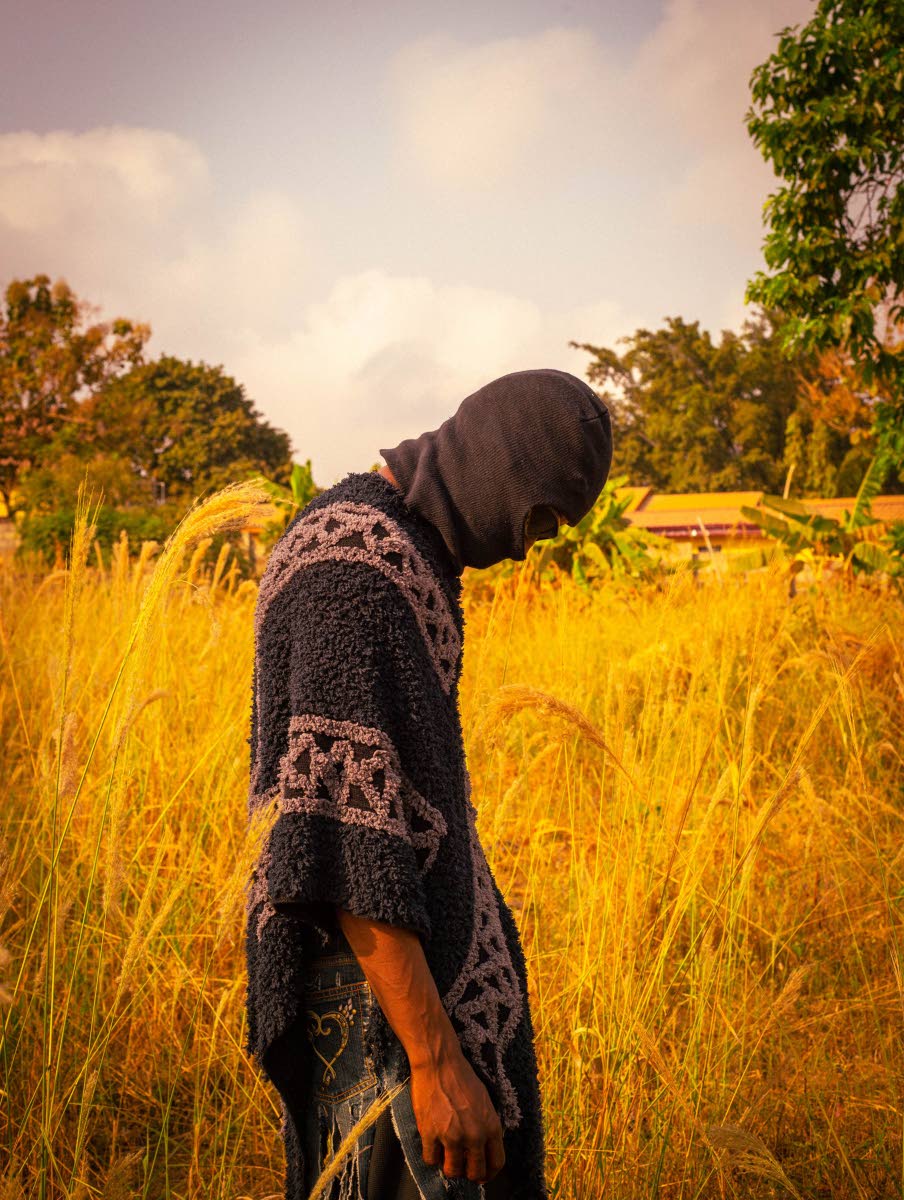 Photo - pexels.com
-
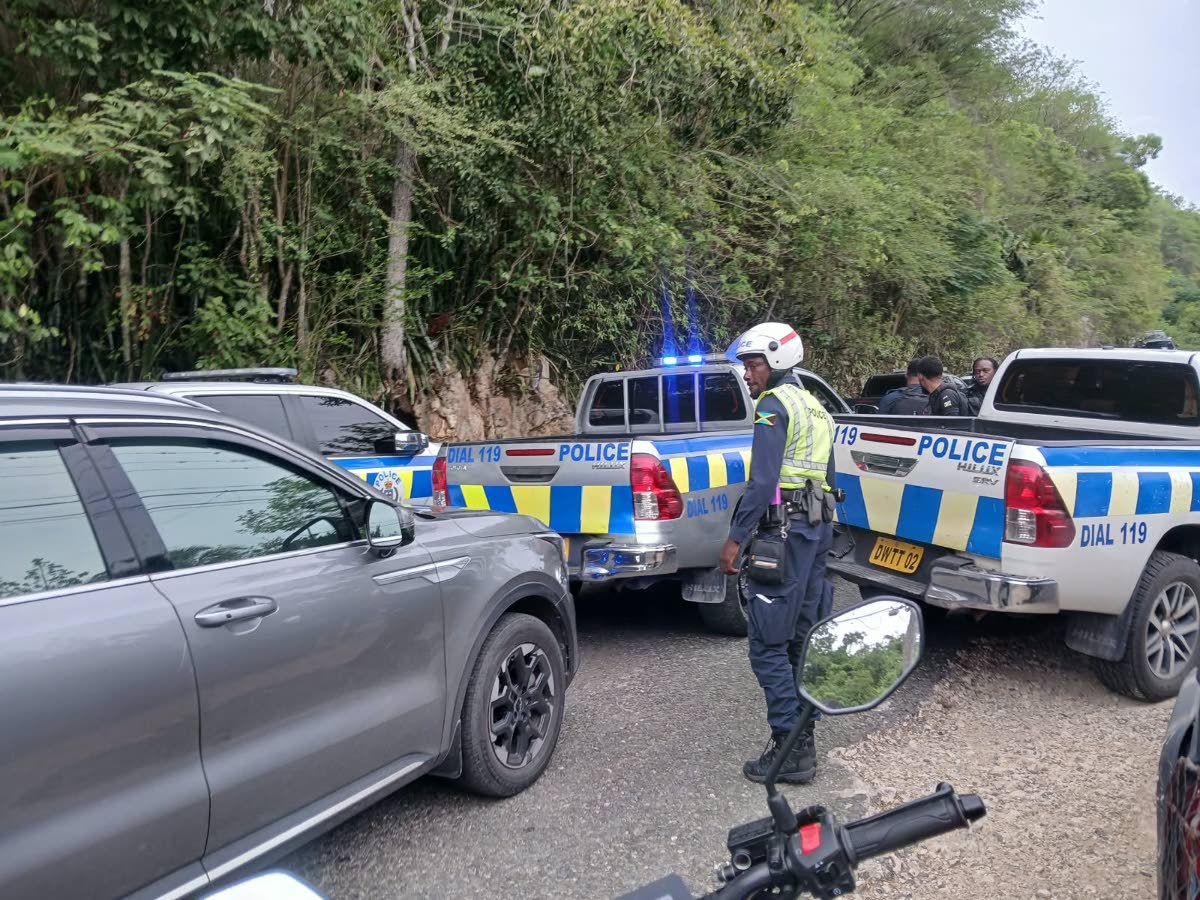 The police at the scene of gun battle between cops and gunmen in Sligoville, St Catherine on October 16. Photo - Contributed
Say their names. Corporal Trevoy Shaw and Constable Devoney Rose. The slain police died while carrying out their mandate to serve, protect, and reassure. Corporal Shaw died on the morning of the shoot-out in Five Miles, Sligoville, St Catherine. Corporal Rose died the following day after undergoing surgery at the Spanish Town Hospital.
Understandably, peace-loving and law-abiding citizens are enraged by any acts of violence against our security officers. They provide defence for law and the state. As such, any attack on the police ought of necessity to be a national concern.
While there are doubts around the details of the events of that fateful morning of Friday, October 16, 2026, there are questions emerging which may raise ethical concerns in the areas of human rights and morality in general. Is it okay to empathise in a situation of the merciless killing of members of the police force while at the same time raising questions about the integrity of the police operation, albeit under deadly gunfire and impending risk of further casualty?
Police personnel are our children, our spouses, our lovers, who work in dangerous and deadly contexts, often while many of us are asleep. Given these realities, it becomes challenging for some to make any room for questions that others may offer. A truism to be faced is that many of us who have become used to a history of heartless violence hold the view that we will never be victims of such a situation, since we are not gunmen. It then paves the way for our silence on conversations around doubt.
burden of collective guilt
What happens, though, to nice religious citizens who have been protected by our hardworking police? What happens when they remain silent about doubts? And should they not keep silent when a downward trend continues in violent crimes? What do you think?
Sins of omission and commission are real. That is why the Church confesses at every Eucharist that we have sinned in thought, word, and deed. We have sinned by what we have done and by what we have left undone. Some may therefore find that they have a conscience about any issue that may cast doubt on the good work of our men and women in the Jamaica Constabulary Force (JCF) and the Jamaica Defence Force.
Maybe there is wisdom in hearing again from 1 John 1:8-9, “ If we say we have no sin, we deceive ourselves, and the truth is not in us. If we confess our sins, God is faithful and just and will forgive our sins and cleanse us from all unrighteousness.” It is against this background that one may be moved to ask whether we are complicit by our silence when there are thoughts of doubt. Some people may move on. Some may pause to reflect.
Consider these positions: 1. Gunmen should be killed even if they surrender. 2. Any other adult in that Sligoville house with the gunmen were not angels. I would not be worried about them. 3. A better scenario would have been for some to be taken alive, if possible. 4. I am struggling with whether it is okay to kill where it is possible to take in someone alive. 5. I say kill them all.
While these positions make for various conversations, in a society where religious talk is very common, those who speak in the name of righteousness, peace, and love may quietly bear a burden. That burden of collective guilt, where moral compromise ignores calls for accountability when the supposedly good people feel safe while those others are dying. Agents of the state act in our name as citizens of Jamaica. That is why civil society may raise difficult questions from time to time.
common intention
In last week’s column about ‘Honouring God with a live execution’, I observed, “ Human rights work certainly requires an intellectual leap to process the rights of all citizens when some citizens trample on the rights of others. Those who are angry, understandably may not have the capacity for such discourse in the aftermath of a mass murder situation. They therefore hear any affirmation of universal human rights and dignity as a bias for the convicted mass murderer and all such criminals.” It is important that we understand and be sensitive to the heightened tensions for the police in a context where the life of one of their members was taken and others threatened. And we can do this while at the same time seeking answers that will affirm the integrity of our police, which has grown in no small way in terms of the quality and quantity of their good work.
It should not be lost on us that some of the strongest voices in the Church are also members of the JCF. They grew up with a culture of school devotions and even prayers in their work contexts. Many police men and women are committed Christians who know only too well that their Christian values are inseparable from their day-to-day work ethic for what is in accordance with justice and truth. Religion is much more than clapping, singing, and feeling good. It should make us better in our relationships with self, God, and others, to include the rest of the created order.
The Jamaica Umbrella Group of Churches (JUGC) is urging, “all Jamaicans to reject violence and work toward a safer and more peaceful nation”. If taken seriously, this has implications for how we move forward with a common intention to protect the human rights interests of all concerned. The lives of two police and three civilians were taken. A child was injured and traumatised. A nation has been left in shock and grief.
May we prayerfully support those who mourn, those who will do investigations, and our corporate work for a just and peaceful Jamaica for all.
Fr Sean Major-Campbell is an Anglican priest and advocate for human rights and dignity. Please send feedback to columns@gleanerjm.com and seanmajorcampbell@gmail.com