Sink or swim?
Loading article...
-
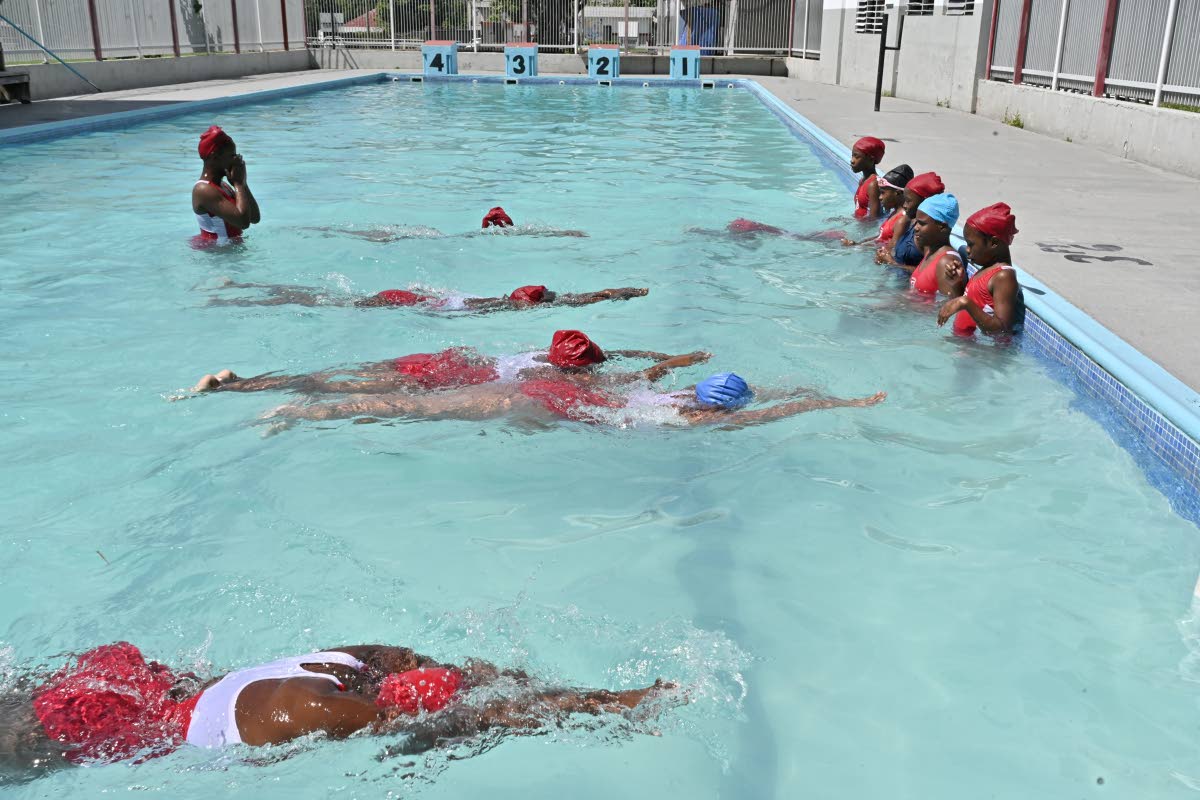 Students at The Queen’s School in St Andrew participating in a swimming class in the school’s pool last month. Photo - Rudolph Brown/Photographer
-
Students at The Queen’s School in St Andrew participating in a swimming class in the school’s pool last month. Photo - Rudolph Brown/Photographer
-
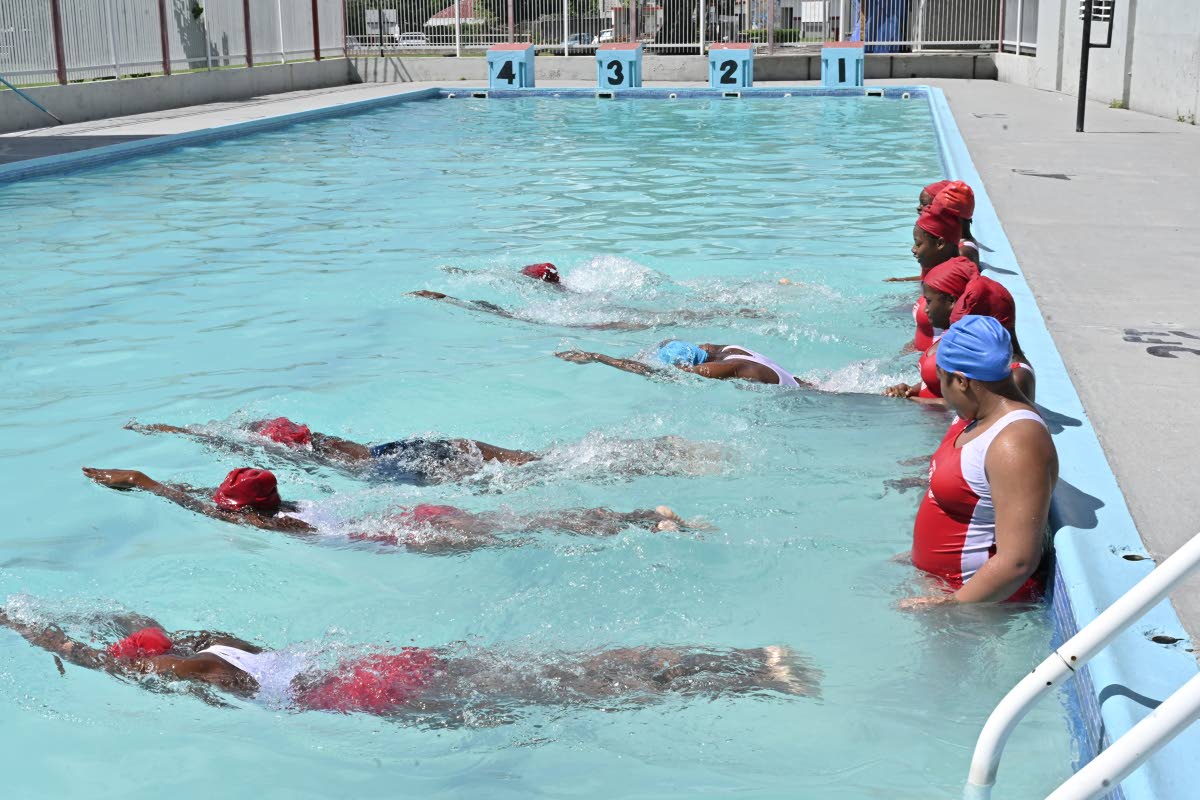 Less than 40 per cent of Jamaicans aged 15 and older are able to swim without assistance, according to a 2022 report from the Organisation for Economic Co-operation and Development, based on 2019 data. Photo - Rudolph Brown/Photographer
-
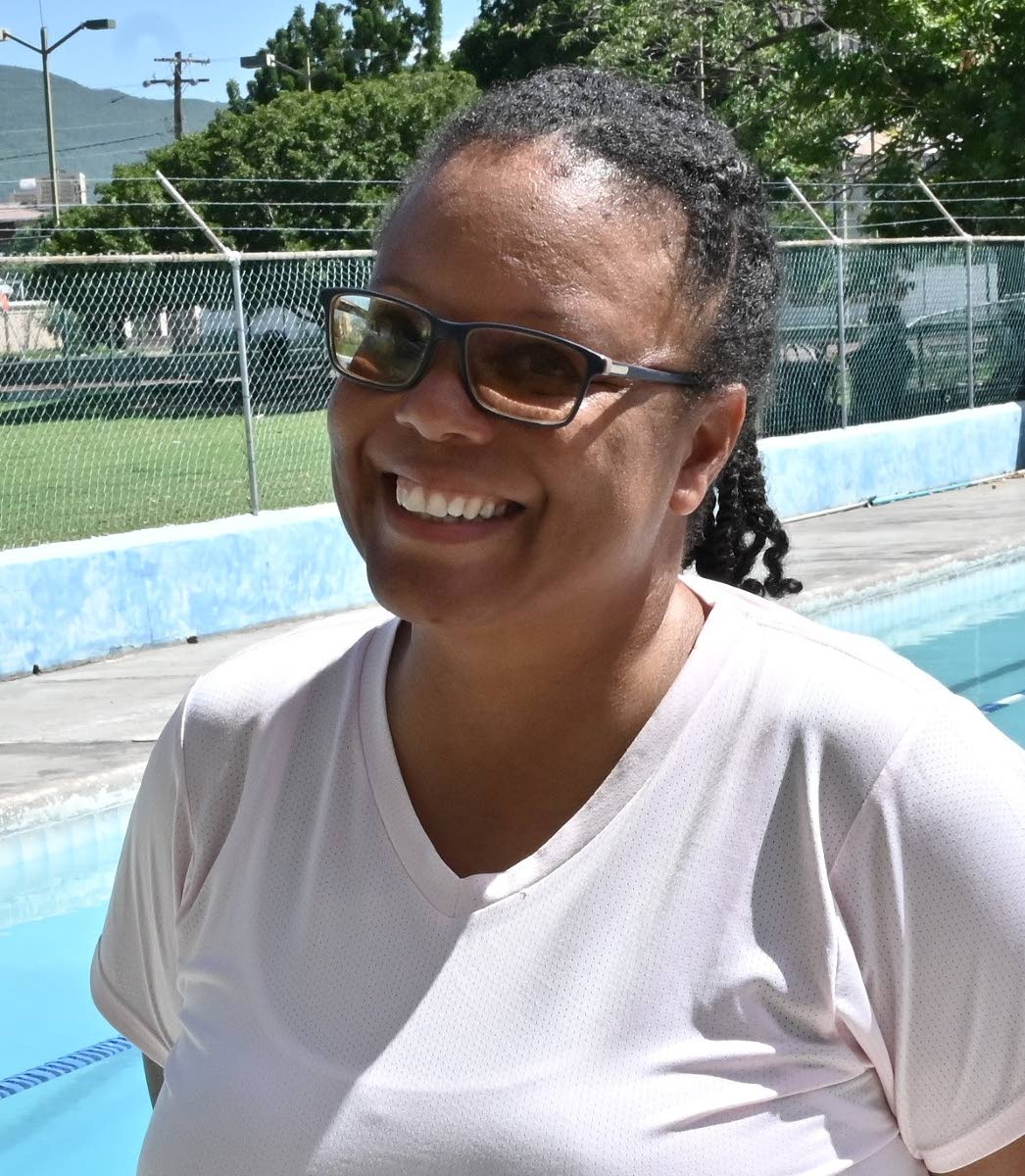 Kerry-Ann Munroe, swim teacher at St Andrew High School for Girls. Photo - Rudolph Brown/Photographer
-
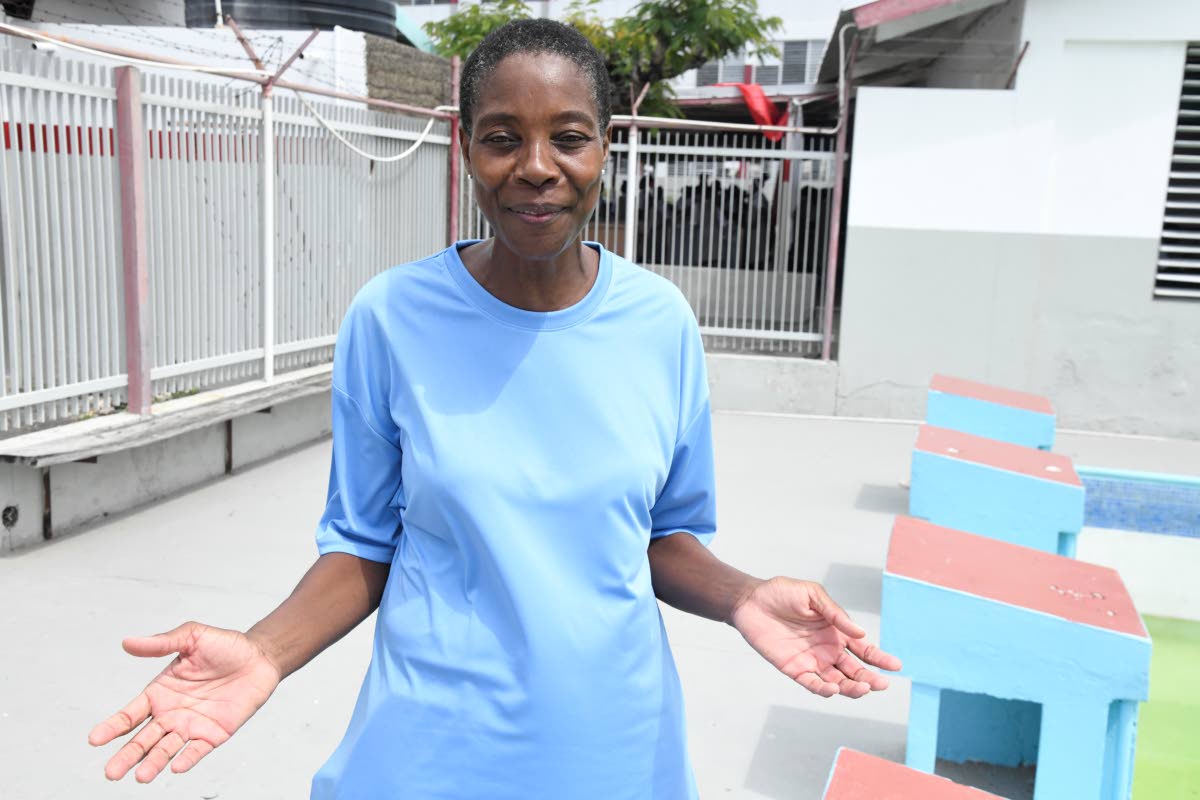 Georgina Boland, swim teacher at The Queen’s School in St Andrew. Photo - Antoine Lodge/Photographer
Despite being surrounded by water, most Jamaicans cannot swim – a national reality that swim teacher Georgina Boland sees reflected yearly in the intake of students at The Queen’s School in St Andrew, many of whom arrive with little to no water confidence.
To combat this gap in basic survival skills, the all-girls institution is among a handful of schools to have incorporated swimming into its curriculum and requires every student from first to third form to complete a term of lessons as part of their physical education instruction.
It is a crucial life intervention for an island that is home to roughly 120 rivers and streams, 70 public bathing beaches, and a recurring threat of severe floodwaters from heavy rains.
There are also health benefits associated with swimming as a form of exercise. Boland asserted that Jamaicans are also missing out on a whole new avenue of enjoyment by not being able to swim.
“When I go to the north coast, it pains me to see the tourists enjoying the ocean – and when they’re enjoying the rivers – and Jamaicans are sitting on the sand, slapping their knees because they can’t swim,” she said.
“When you go on a boat ride and others are diving off and enjoying the coral reefs, we can’t because we can’t swim, you know, so it opens up a whole new world of fun that we are not able to enjoy in our own country that we should be able to enjoy,” she added.
Less than 40 per cent of Jamaicans aged 15 and older are able to swim without assistance, according to a 2022 report from the Organisation for Economic Co-operation and Development, based on 2019 data.
Earlier research painted an even more alarming picture, with a 2013 informal study revealing that up to 75 per cent of Jamaicans lack basic swimming ability.
Boland explained that the swimming classes at The Queen’s School are held for two hours, once weekly, for first and third formers; students in grade eight currently have a single one-hour session at the campus pool.
The students are first taught pool safety rules and are then introduced to safe-entry techniques and how to check water depths. Instructions start with foundational water confidence, including breathing techniques, floating, and maintaining balance.
“For some of them, they literally can’t walk in the water. That’s how unfamiliar they are with a body of water,” Boland told The Gleaner.
Once students master basic water confidence, they progress to stroke instruction. Depending on their rate of learning, students advance to more complex skills, such as backstroke, breaststroke, and treading water, as they progress to higher grade levels.
“Those who get the opportunity to master at least one stroke and to learn treading are at an even greater advantage because it means if we should have a flooding, … or they should accidentally fall in deep water, they would be able to help themselves and to get to safety. So, I think it’s a skill that every single person on the planet should have,” she said.
Even if students do not end up mastering the swimming strokes, Boland stressed that it is crucial for them to gain water confidence.
“There are people who, if they fall in a body of shallow water, will drown, literally, because they don’t know how to get their balance because of the buoyancy of the water,” she said.
A similar swimming curriculum exists at Wolmer’s Girls’ School, where just about three per cent of students enter the institution knowing how to swim, teacher and swim coach Kafia Rapley told The Gleaner.
“We have [some students] up to third form still being fearful of jumping into the deep end, so we encourage them to do extra activities to give them more [experience] because their class time is an hour, but they need to take 15 minutes out of that to get into their uniform,” she said, explaining that swimming is also offered as an extracurricular activity with a pool entrance fee of $400.
Rapley stated that students at the neighbouring Wolmer’s Boys’ School also utilise the campus pool as an extracurricular activity.
“[There’s] the benefit of them having a pool right here, I encourage them to take advantage of it,” she said.
At a third Corporate Area institution, St Andrew High School for Girls, about half of the students enter the institution with some knowledge of swimming, a few even having competitive swimming experience, according to swim teacher Kerry-Ann Munroe.
Consequently, lessons, which are mandatory from grades seven to nine, are tailored to acknowledge this, although they generally start at the beginner level.
“The students who come in who have never done swimming before, more recently, I’ve been seeing that that number is decreasing. Some of them – most of them – come in with some knowledge of swimming,” she told The Gleaner.
She credits this to the swim lessons integrated into the school’s summer orientation programme. The programme starts the month before school opens for the new academic year, and lessons are taught once per week in the campus pool.
She said the school takes pride in helping students overcome their initial fear of the water by fostering a supportive culture around swimming.
“We’ve had instances where students have left and they have found themselves in difficulty and they’ve been able to say, ‘Miss, you know, I was able to help myself because of things that I learnt when I was here.’ So, we do emphasise that a lot. Knowing how to swim is one of the very important skills that we believe the girls should leave here with.”
This approach has resulted in the institution becoming home to a very successful swimming team.
“We have an excellent training programme ... , so girls are exposed to the highest level of training, so they’re not intimidated by competition,” swim coach Rohan White told The Gleaner.
And although he is happy that some schools are teaching this life skill, he wants more Jamaicans, especially essential workers, to make learning to swim a priority.
“It has been profiled as an elitist kind of sport, but the access is now a lot wider in terms of your access to learn how to swim,” he said.
sashana.small@gleanerjm.com