Carol Blanchard | Gordon House playground
Loading article...
-
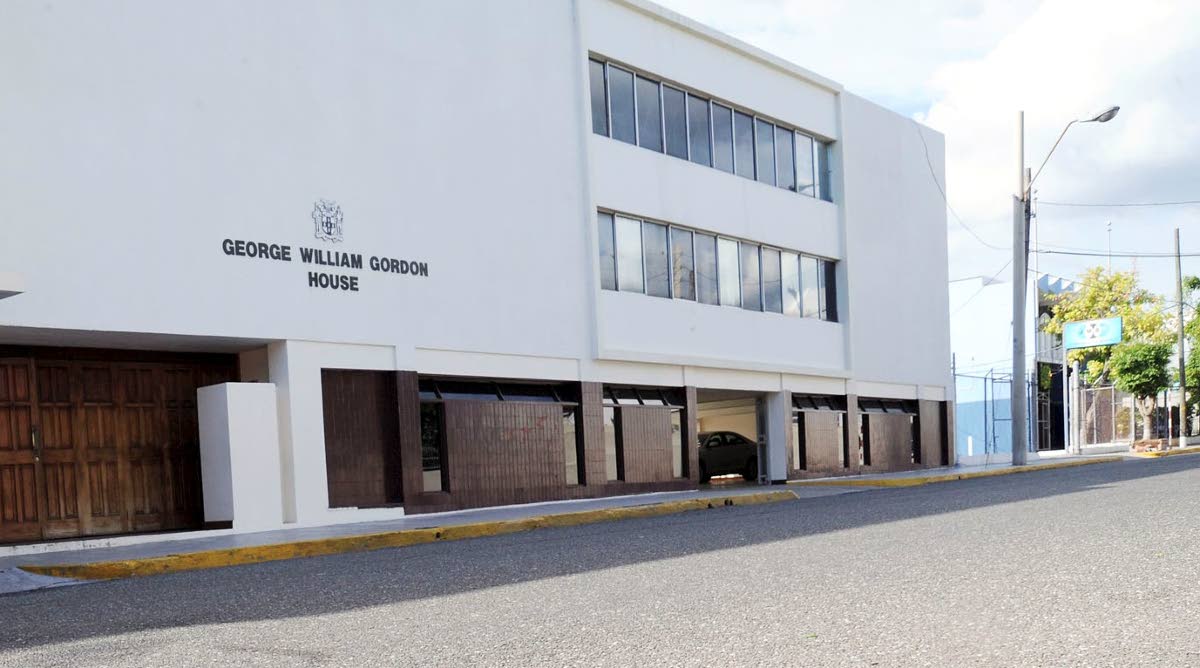 Gordon House. Photo - File
-
Gordon House. Photo - File
-
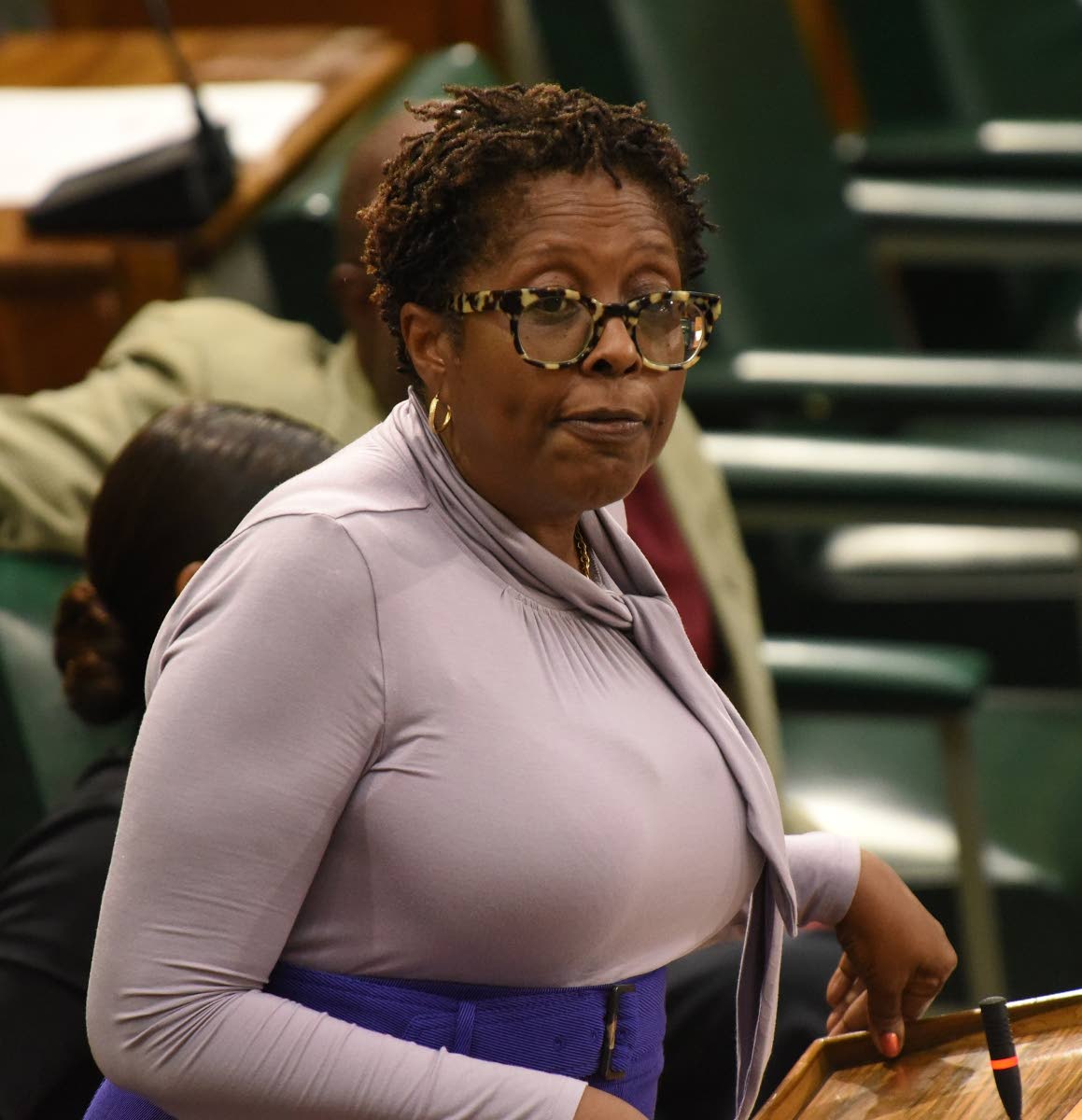 Dr Angela Brown Burke has been accused of stepping towards and lunging at House Speaker Juliet Holness, causing physical contact. In a claim filed in court, Holness alleges that this contact was intentional and occurred without her consent or lawful justification. Photo - File
-
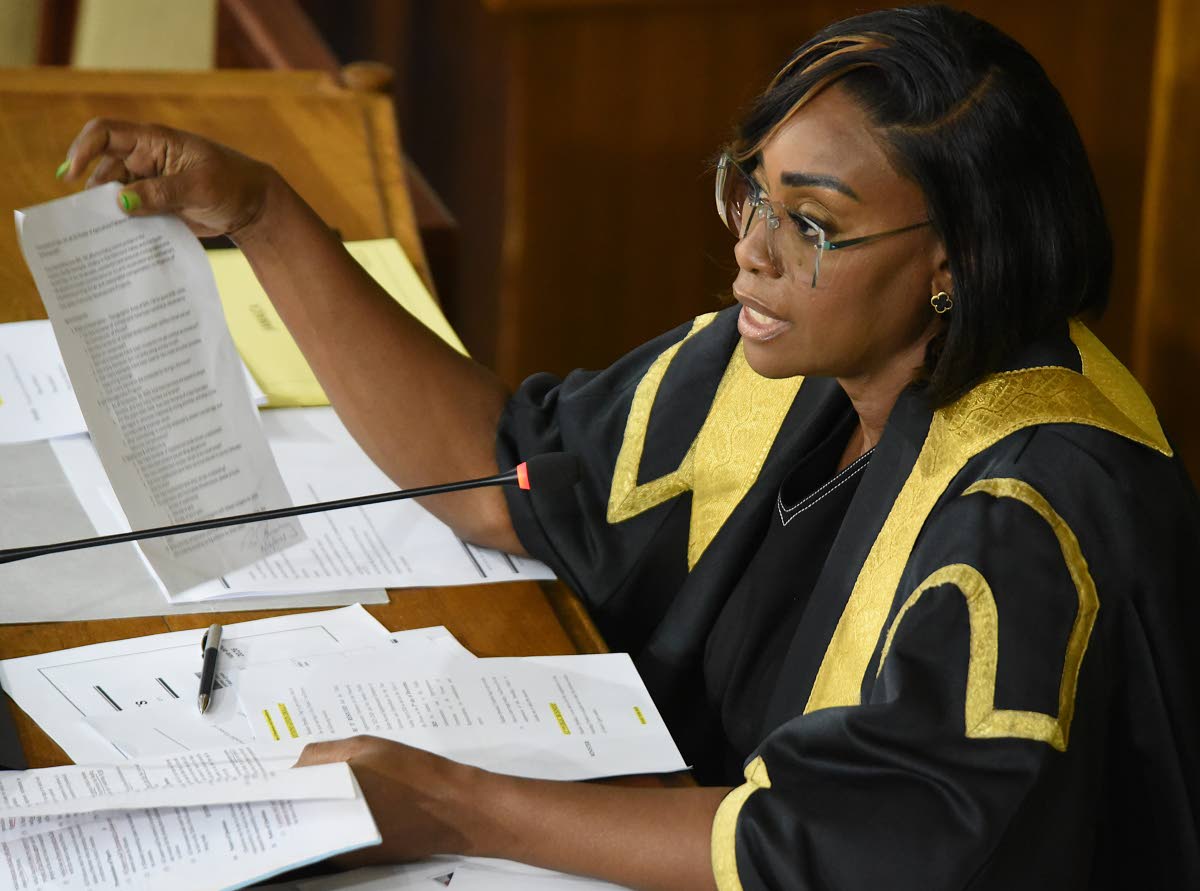 Speaker of the House of Representatives Juliet Holness has filed a suit against Brown Burke over an incident that took place after the November 3 sitting of Parliament had concluded. Photo - File
-
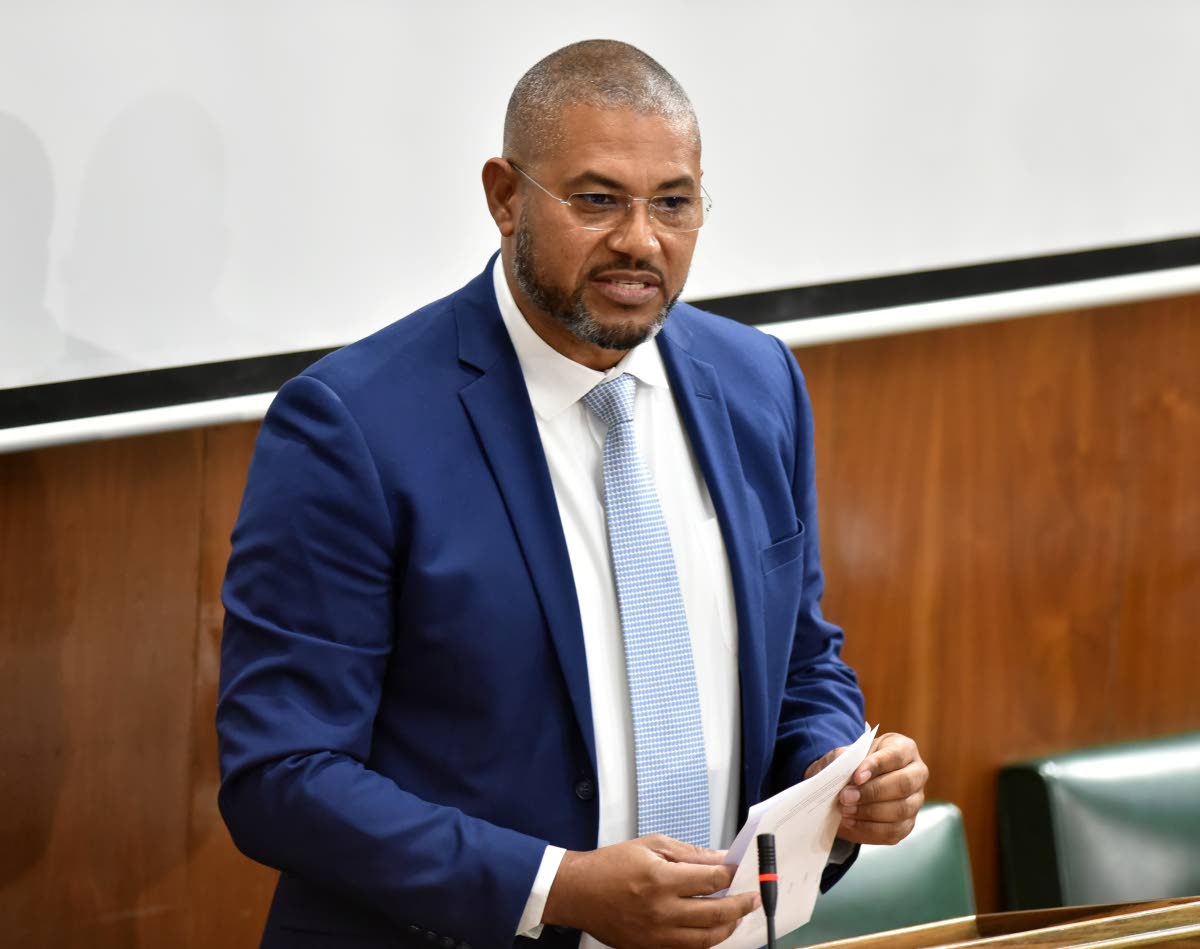 Member of Parliament for Manchester North Western Mikael Phillips formally apologised in the House of Representatives on November 17 for using an expletive during a clash with Local Government Minister Desmond McKenzie on November 3. Photo - File
-
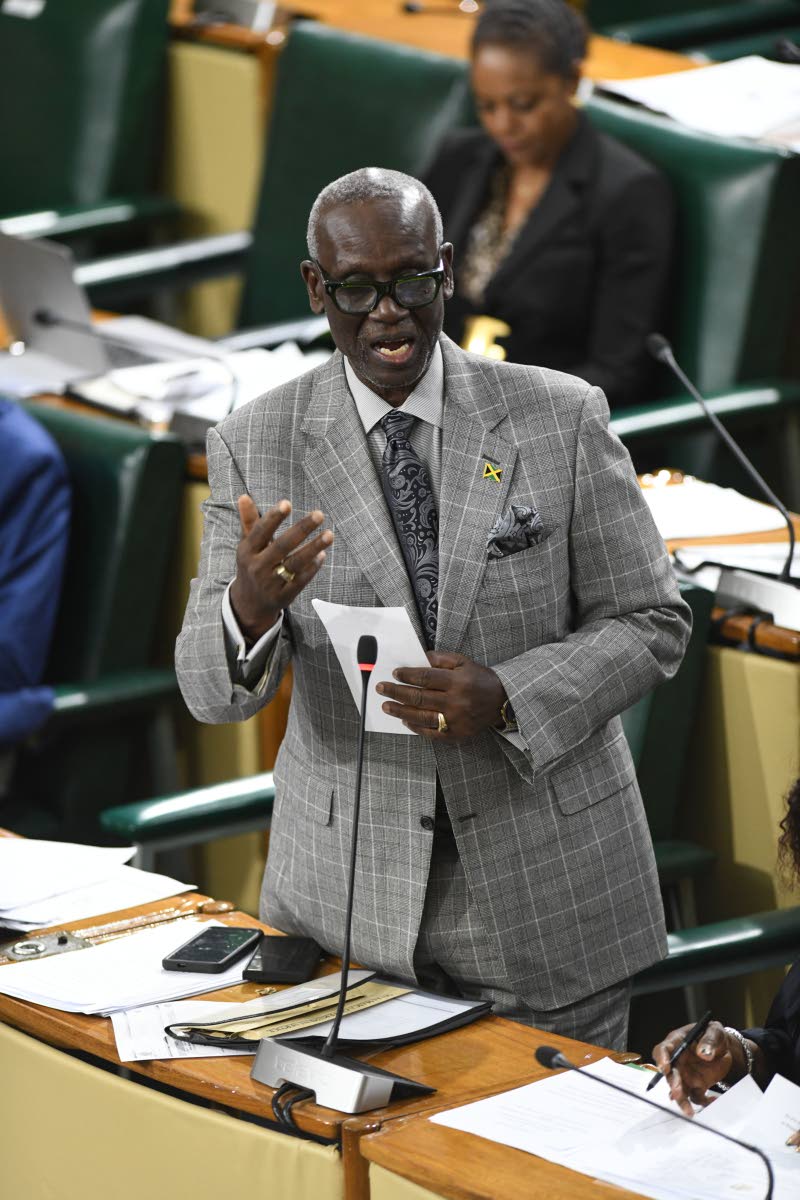 Desmond McKenzie, minister of local government and community development, has denied making offensive remarks about Opposition MP Mikael Phillips’ deceased mother during a heated confrontation in the House of Representatives on November 3. Photo - File
-
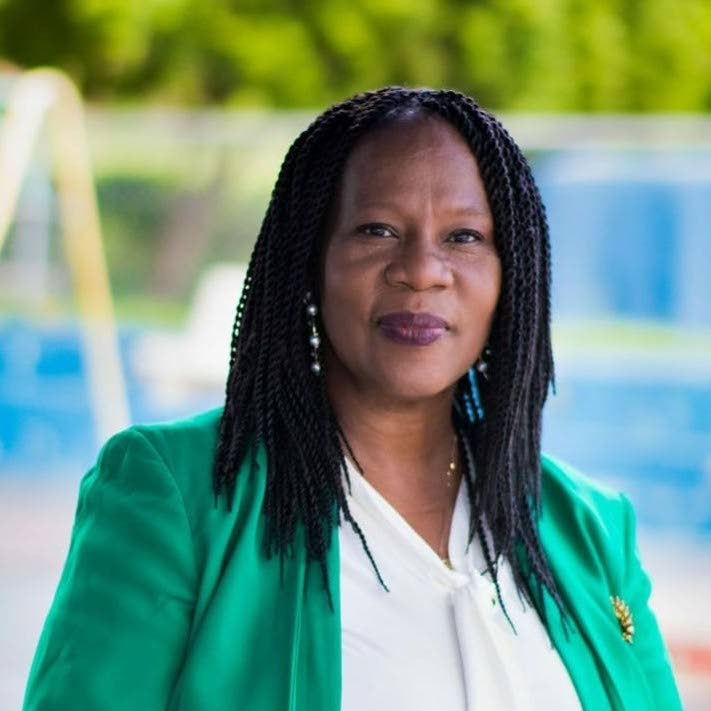 Carol Blanchard. Photo - Contributed
-
 Inside the Chamber of Gordon House. Photo - File
It is often said that the school is a microcosm of society.
On Tuesday, November 3, 2026, I watched the fracas in Gordon House and asked myself the reverse question: Is Parliament now a microcosm of the schoolyard?
As a school administrator, I could identify every single character in that chamber. I see them every day in my corridors, classrooms and playgrounds, and that should frighten us far more than any single sitting of Parliament.
Let us be honest about what we saw. Following a contentious debate over Jamaica’s abstention from the United Nations resolution on the US embargo against Cuba, and the Government’s move to close debate on the Opposition’s censure motion, the sitting descended into shouting, expletives and a confrontation that required fellow members to physically intervene. One member has since apologised for his language. Another has refused to apologise, insisting that he breached no Standing Orders. Both sides have offered competing accounts of who provoked whom.
I will not litigate who said what to whom. That is a matter for the Speaker and the Standing Orders Committee. What I will do, as an educator, is identify the pattern – because I know it by heart.
The cast we know too well
1. The provoker
In every school, there is the student who consistently provokes the good student, pushes him into an uncomfortable corner, waits for him to snap, and then points loudly: “See! Look what he did!”
The provoker rarely throws the first punch. He throws the first word. He knows exactly which wound to touch – a mother, a family, a failure – and he knows the camera is watching.
2. The provoked who holds the line
Then there is the good student who is frequently provoked but demonstrates the fortitude to remain true to his values. He does not react. He walks away. He is not weak. He is disciplined. In my school, we celebrate him quietly because his is the hardest victory of all.
3. The student who wants rules only for others
There is also the student who does something hurtful but, when the same thing is done to him, demands that the other child be sanctioned immediately. Accountability, for him, is a one-way street.
4. The repeater of lies
And there is the student who repeats a lie so many times that he begins to believe it himself, even in the face of raw video footage. In 2026, we no longer have to rely on “he said, she said”. We have video – not contaminated by AI or edited by gossip – and still, some will look at the truth and choose the lie.
5. The peacemaker
Finally, thank God, there is the peacemaker. He does not merely pull out a phone to record. He steps in. He takes a blow or two, if necessary, to keep the peace. He tries to stop bad behaviour and prevent others from getting hurt.
On Tuesday, we saw peacemakers in Parliament too – members from both sides who stepped between colleagues. In school, those are the children we must protect and promote because they are the future leaders we claim we want.
The most dangerous word in Jamaica right now
The buzzword in our school system – and clearly in our Parliament – is: “I was triggered.”
Triggered has become an excuse for action.
Triggered does not mean innocent. Triggered does not mean unaccountable.
As educators, we understand trauma. We understand that children and adults have triggers. But we must also teach this hard truth: Being triggered explains your emotion. It does not excuse your behaviour.
Wrong is wrong and right is right – regardless of your age, experience, colour, upbringing, or whether you arrive well-dressed and gorgeous or raggedy from an inner-city community. Our Standing Orders in school, like Parliament’s Standing Orders, must apply to everyone. We must bell the cat and call things what they are.
What allows us to do that is not a rulebook. It is a moral compass.
Why this matters in Parent Month
This is not an abstract debate. It is Parent Month.
Jamaica is observing November as National Parent Month under the theme: ‘Parents Tek a Stand: Raise Kindness, Stop Bullying’.
The National Parenting Support Commission (NPSC) launched the month with an urgent warning based on Jamaica’s 2026 Global School-Based Student Health Survey: 27 per cent of students reported experiencing bullying, while 15 per cent said they had been victims of cyberbullying in the past year.
Even more alarming, only 25.9 per cent of bullied students had confided in their parents or believed their guardians would understand. The Child Protection and Family Services Agency (CPFSA) recorded 165 reports of bullying across all 14 parishes in 2025.
Parents, hear me: Our children are watching. When they see adults in the highest House in the land shouting, cursing and advancing on each other, only to say “I was triggered”, what lesson do they take back to the classroom on Monday morning?
They learn that bullying is not a school problem. It is a national culture.
From the schoolyard to the prison yard
Let no disaster go to waste. We must connect the dots that research has already connected for us. The Jamaica Constabulary Force has consistently reported that interpersonal conflicts account for about 20 per cent of murders, with gang conflicts accounting for the majority of the rest. In St Elizabeth this year, police reported that approximately 60 per cent of murders were attributed to interpersonal conflicts that occurred in the home, many involving relatives.
Earlier research on Jamaican homicides found a similar pattern: disputes (29 per cent) and reprisals (30 per cent) were the main motives for homicide. The authors concluded bluntly: “Homicide has become a common feature of dispute resolution in Jamaica”.
This is the pipeline: A trivial insult in a classroom becomes a fight. A trivial insult in Parliament becomes a fracas. A trivial insult on a street corner becomes a stabbing. In each case, someone was “triggered”, reacted and now regrets it – from a suspension room, a prison cell or a funeral.
As the Jamaica Observer rightly noted recently, the fracas is a stark reminder that “the Jamaican Parliament is fast becoming a microcosm of the wider Jamaican society”, and that some of the words allegedly uttered “have led to serious physical confrontation, including murder”.
A recommendation: Suspension is not enough
Suspension from Parliament will not be enough for this behaviour. Suspension from school is not enough for our children either.
Citizens must demand something more restorative, more visible and more useful: worthwhile community service.
I propose this:
1. Parliamentarians from BOTH sides of the political divide should jointly record videos for our schools – not campaign ads, but accountability lessons. Let them sit together and say: “We lost our tempers. This is what we should have done. This is what accountability looks like”. Imagine the power of that lesson for a Grade 3 child who is learning not to hit when he is teased.
2. Let the sanction be service. Let those involved lead anti-bullying workshops, mentor at-risk boys or serve in a community mediation centre. Let our children see that leadership is not about never falling, but about how you repair after you fall.
3. Let parents take the stand. The Ministry of Education, Skills, Youth and Information is calling on parents to take a stand “because we cannot run an undisciplined learning environment and expect success”. That stand begins at home: Do not defend your child’s wrongdoing simply because you love him. Love him enough to hold him accountable. Do not teach him that “triggered” is a get-out-of-jail-free card. Teach him that a moral compass matters more than a moment of anger.
The question we must answer
So I return to my question: Is the school a reflection of Parliament, or is Parliament a reflection of the school?
The truth is, both are reflections of the home.
If we want a different Parliament, we must build a different classroom. If we want a different classroom, we must build a different home.
Accountability is lacking in Jamaica. Let us promote it — in Gordon House, in our schools and, first and foremost, in our homes.
Let us not waste this disaster.
Carol Blanchard, PhD, JP is an educator and school administrator.