The art of prayer: Learning to be still in a noisy faith
Loading article...
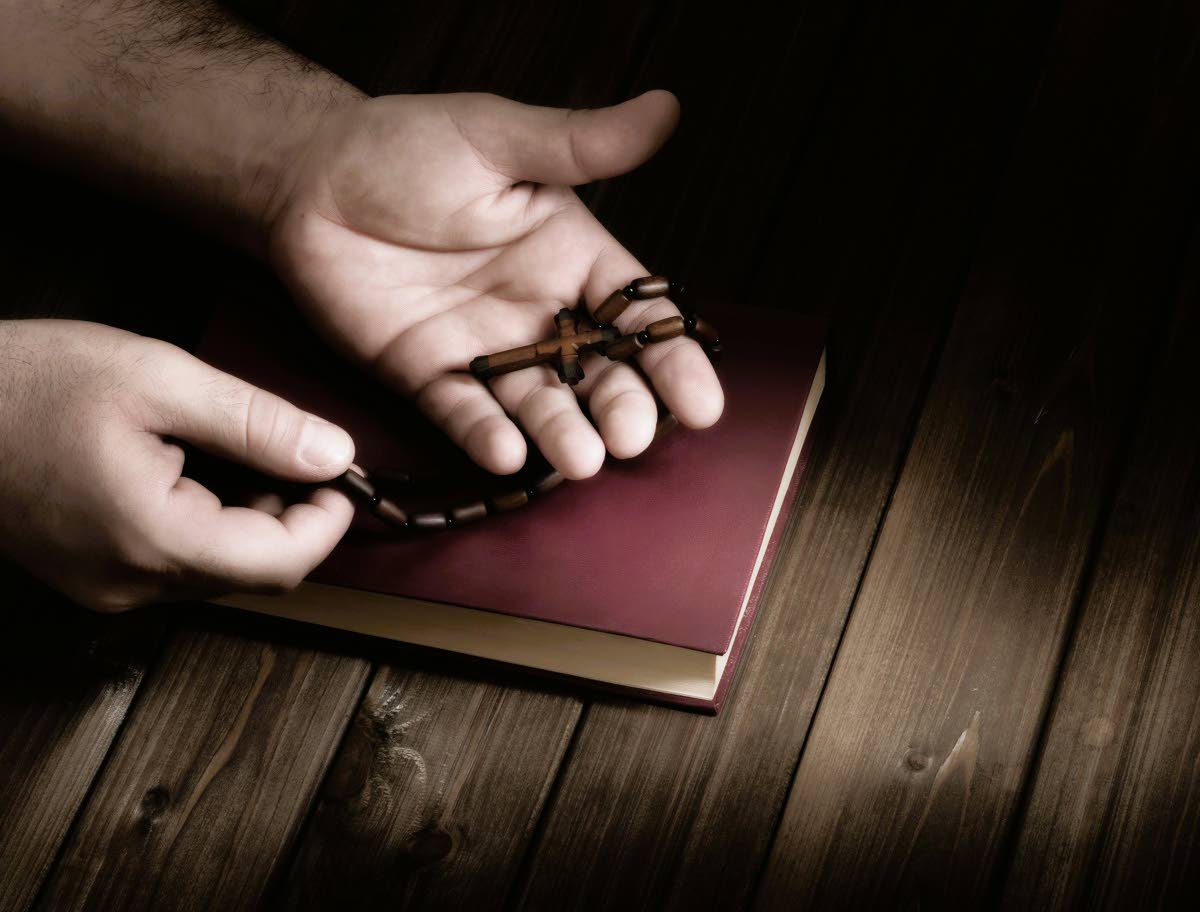
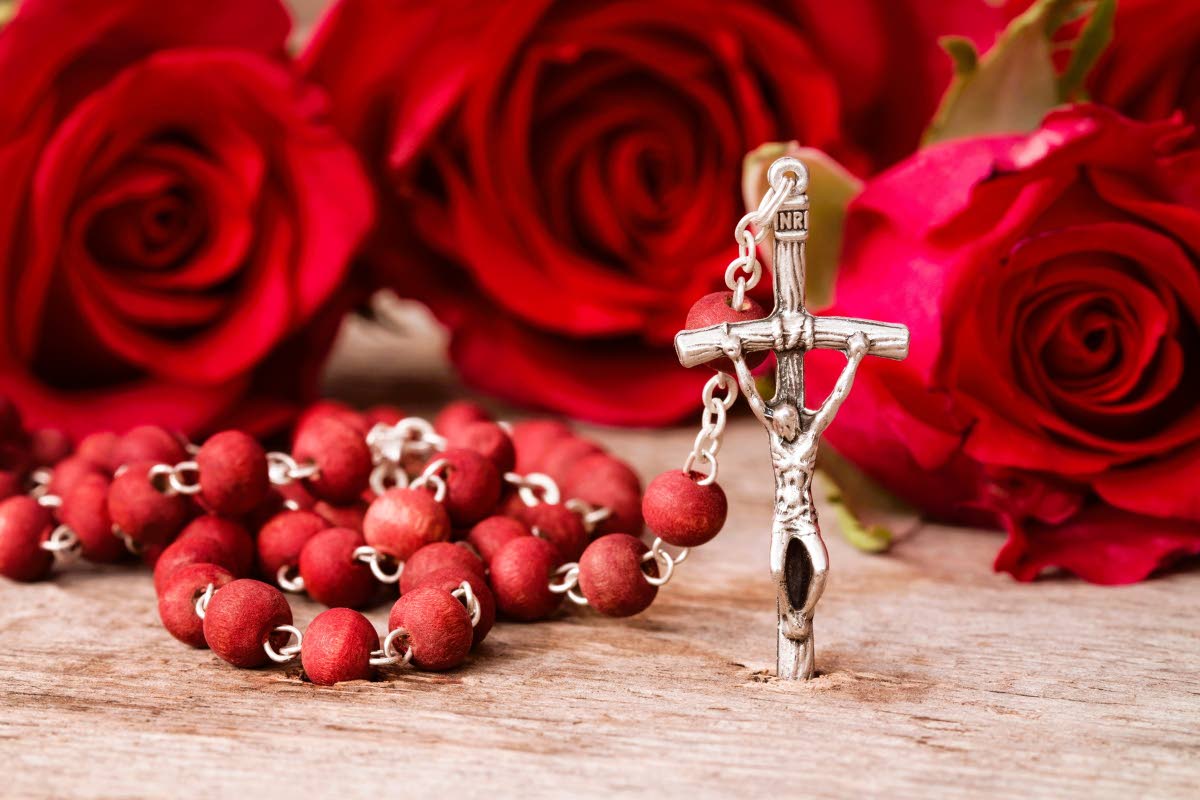
In an age where prayer is often reduced to hurried words, urgent requests, or public performance, we may have forgotten something essential: prayer is not first what we say to God, but how we respond to God.
The Anglican Catechism, particularly as received in the Church in the Province of the West Indies, offers a richer vision. Prayer is a holistic response – of thought, feeling, and action – expressed with or without words. It is less a transaction than a relationship; less a script than a posture of being.
And perhaps nowhere is this more beautifully taught than in what the Church calls the Paschal Triduum.8
PRAYER BEYOND WORDS
We are accustomed to thinking of prayer as speech: petitions offered, intercessions made, thanksgivings expressed. These are vital. The tradition rightly names them – adoration, praise, thanksgiving, penitence, oblation, intercession, petition – as the principal acts of prayer. They shape the rhythm of our common worship and give language to our longing.
But there is a deeper current beneath them.
Prayer also happens by thought – in the disciplined turning of the mind toward God. It happens by feeling – in love, sorrow, gratitude, and even confusion honestly held before the Divine. It happens by deeds – in acts of mercy, justice, and service that embody what the lips profess. And, crucially, it happens without words – in silence, in stillness, in presence.
This is where the ‘art’ of prayer begins to emerge.
For art, unlike technique, cannot be rushed. It must be cultivated. It requires attentiveness. It invites transformation.
DISCIPLINE OF SILENCE
Meditation and contemplation, often neglected in modern Christian practice, are not luxuries for the spiritually elite. They are, in fact, the Church’s highest forms of prayer – not because they are more impressive, but because they are more receptive.
Here, the soul stops speaking long enough to listen.
The Psalmist captures this with arresting simplicity: “Be still, and know that I am God” (Psalm 46:10). Stillness is not emptiness; it is attentiveness. In contemplation, we are not trying to inform God of our needs. We are allowing God to form us.
This is a radical shift.
In a culture of noise, prayer becomes silence.
In a culture of control, prayer becomes surrender.
In a culture of performance, prayer becomes presence.
The Triduum as School of Prayer
If we want to learn this art, we must pay attention to how the Church prays at its most sacred moment.
The Paschal Triduum – Maundy Thursday, Good Friday, and the Easter Vigil – is not a sequence of disconnected services. It is one continuous act of worship, one unfolding prayer through time. And, within it, the Church teaches us not just what to believe, but how to pray.
On Maundy Thursday, the Church does something striking: it reduces its words. The washing of feet (the Mandatum) is itself a prayer in action – a lived theology of humility and service (John 13:1–15). The Eucharist is celebrated, but the tone shifts toward watchfulness and contemplation. The faithful are not overwhelmed with speech; they are invited into stillness.
On Good Friday, prayer deepens into intercession and meditation. The Solemn Intercessions stretch the Church’s concern to embrace the whole world. And then, in the veneration of the Cross, words again fall away. The faithful approach, kneel, touch, or bow – not explaining the mystery, but entering it.
By Holy Saturday, silence reaches its fullest expression. The Church waits. No Eucharist. No triumph. Only expectancy.
Then, in the Easter Vigil, light breaks into darkness. The Paschal Candle is kindled. Scripture is proclaimed. The Exsultet sings. What was held in silence now bursts into praise.
The movement is deliberate: from speech, to silence, to song.
FROM SAYING TO BEING
The Triduum reveals a profound truth: prayer is not only what we do; it is what we become.
Meditation and contemplation are transformative because they reposition us. They move us from being speakers before God to being listeners with God. They allow divine reality to penetrate beyond our rehearsed words into the deeper places of the soul.
This is why they are indispensable.
A Church that only speaks will eventually exhaust itself.
A believer who never listens will mistake activity for intimacy.
But a praying life – formed by thought, feeling, action, and silence – becomes a living response to God.
RECOVERING THE ART
To recover the art of prayer is not to abandon words, but to situate them within a larger rhythm. It is to rediscover that prayer is as much about attention as articulation, as much about presence as petition.
The Paschal Triduum stands as the Church’s great teacher in this regard. It does not merely recount the Passion, Death, and Resurrection of Christ. It forms the faithful into a people who can enter that mystery – not only with their lips, but with their lives.
And perhaps that is the final lesson.
Prayer, in its fullest sense, is not simply what happens when we kneel. It is what happens when thought, feeling, action, and silence converge into a single offering:
A life turned toward God.
That is the art.
Dudley McLean II is the Church Teachers’ College Diamond Jubilee Alumni 2025 awardee for journalism and a graduate of Codrington College, UWI, Cave Hill, Barbados. Send feedback to: dm15094@gmail.com