Easter hope
Loading article...
-
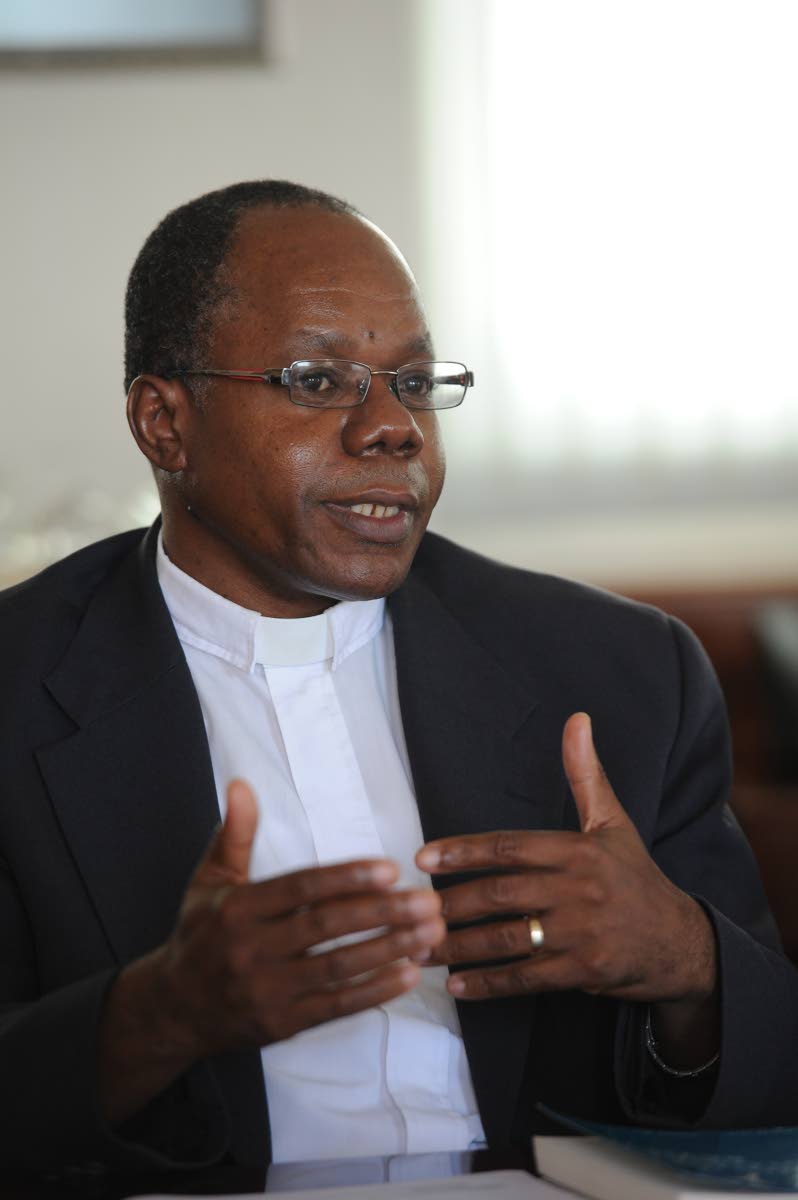
 Bishop Dr Roy Notice, administrative head of the New Testament Church of God.
-
 Reverend Canon Garth Minott, Suffragan Bishop of Kingston.
-
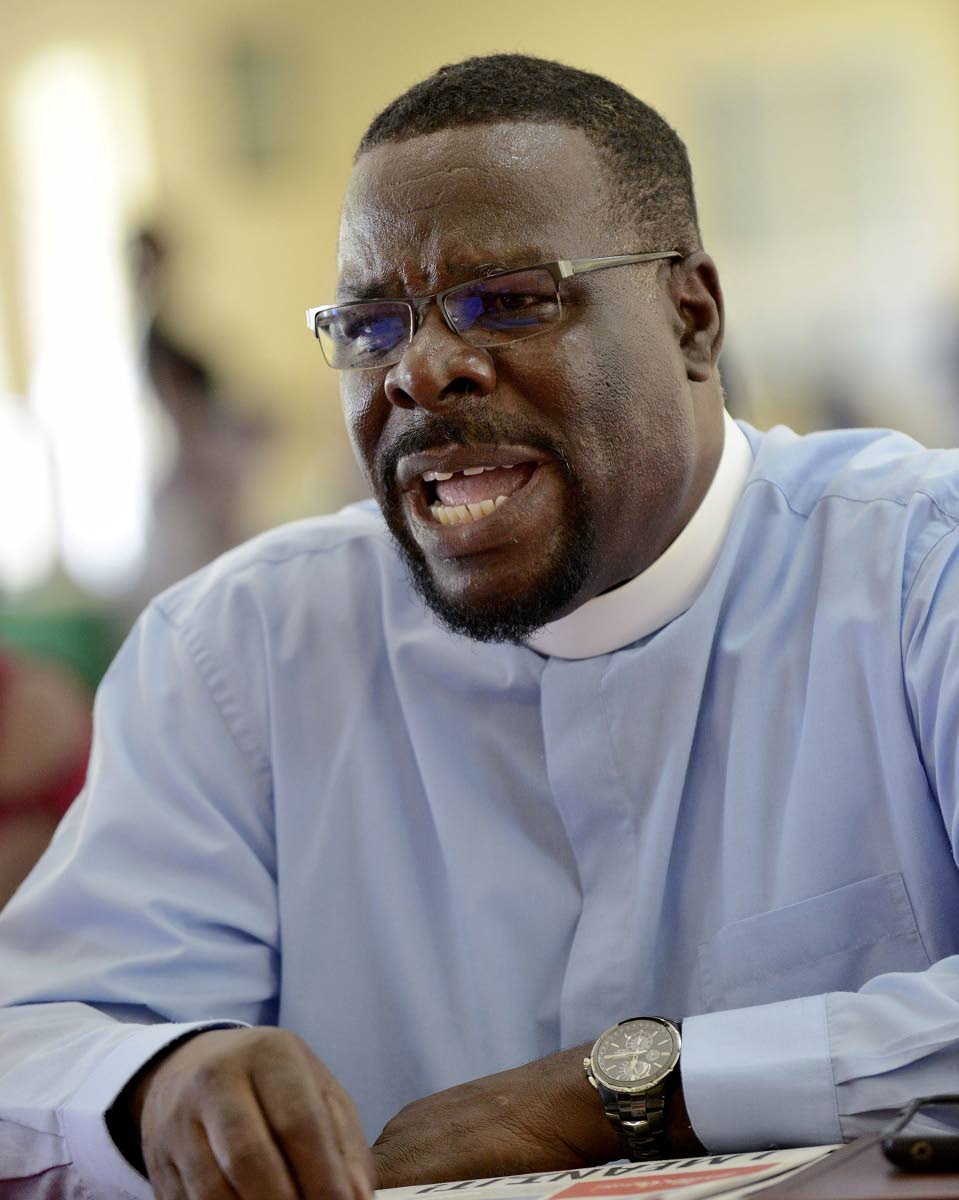 Reverend Hartley Perrin of St Peter’s Anglican Church in Westmoreland.
-
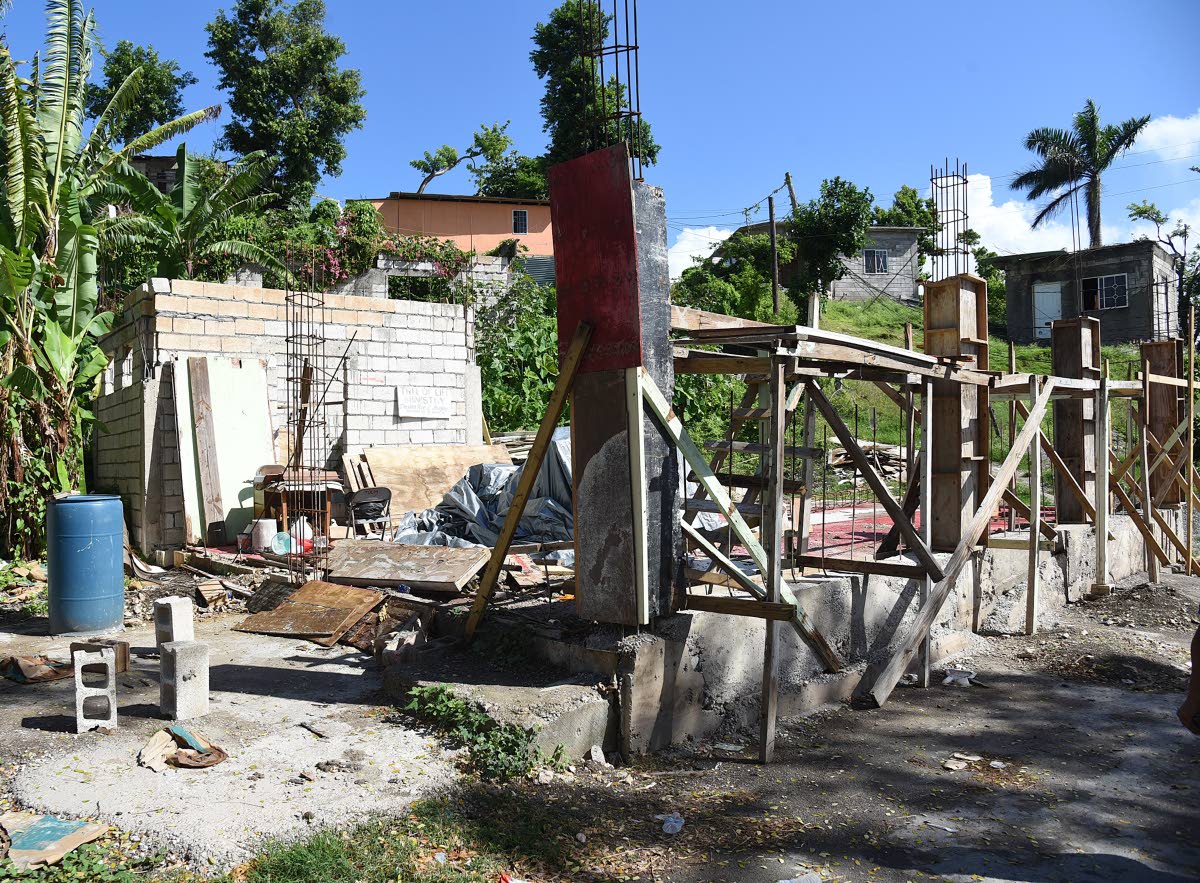 Tree of Life Ministry Church in Windsor, St Ann's Bay, St Ann, that was flattened during the passage of Hurricane Melissa on October 28, 2025. Photo taken last week.
-
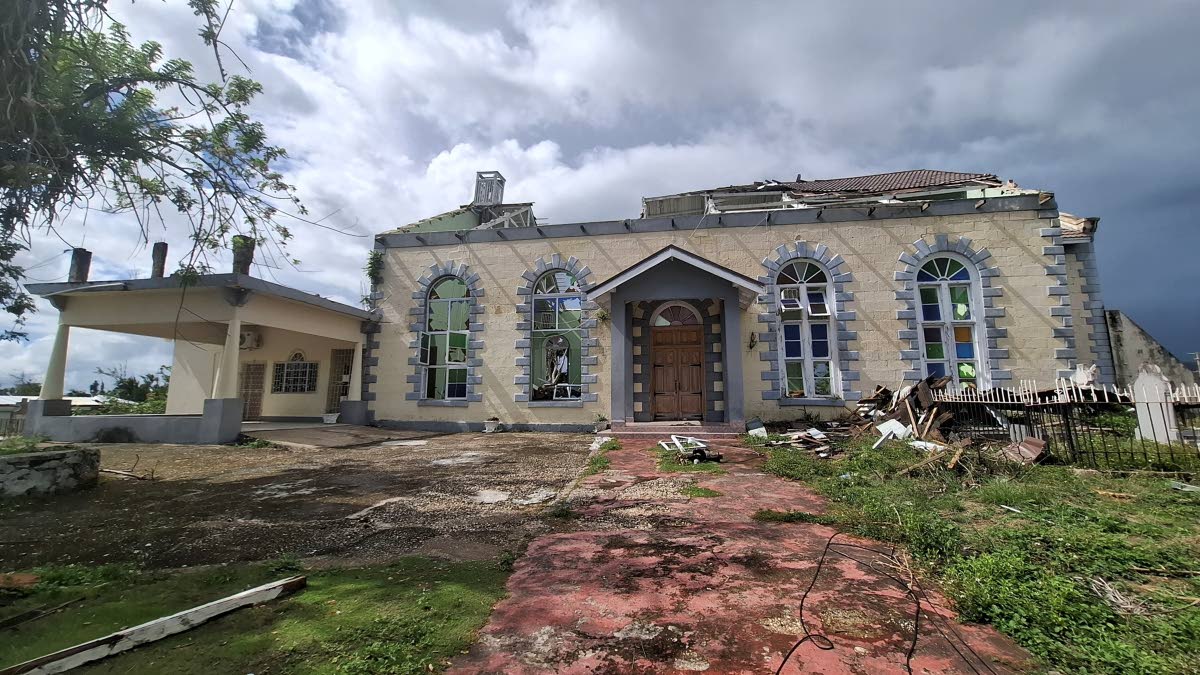 The damaged St Peter's Anglican Church in Petersfield, Westmoreland, still shows the impact of Hurricane Melissa with its roof torn off and several windows missing.
-
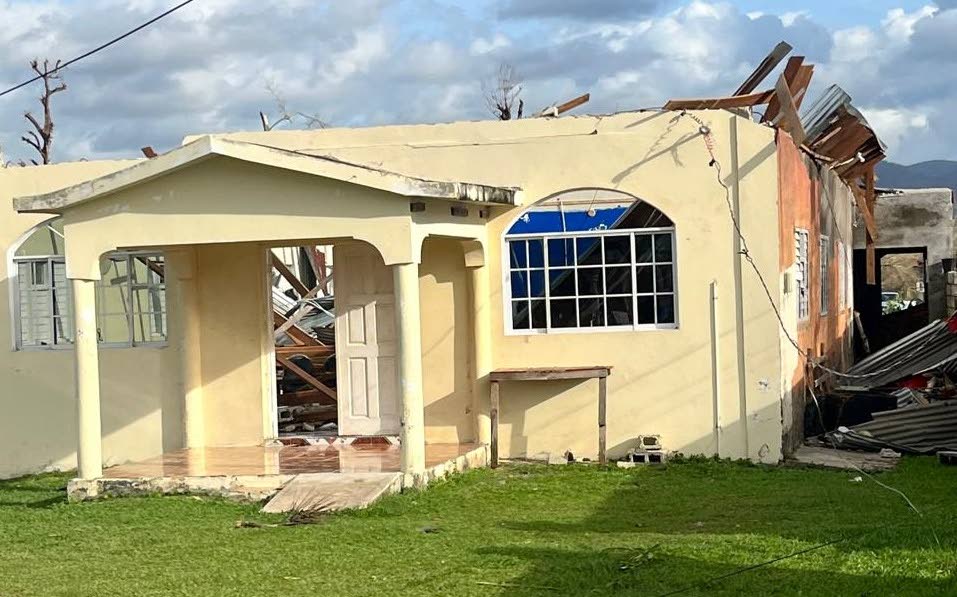 The Logos International Worship Centre in Morass, Hertford District, Westmoreland, shows extensive damage following Hurricane Melissa, as congregations continue to gather under a tarpaulin ahead of Easter.
-
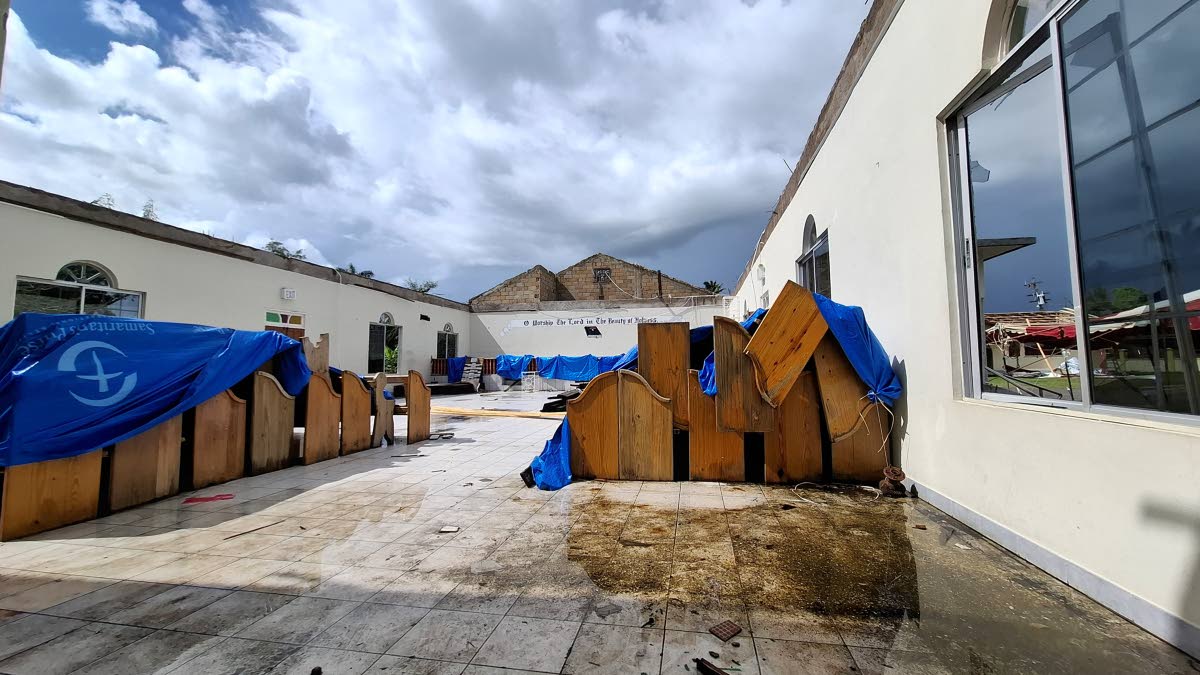 The ravaged Petersfield Holiness Wesleyan Church in Westmoreland.
-
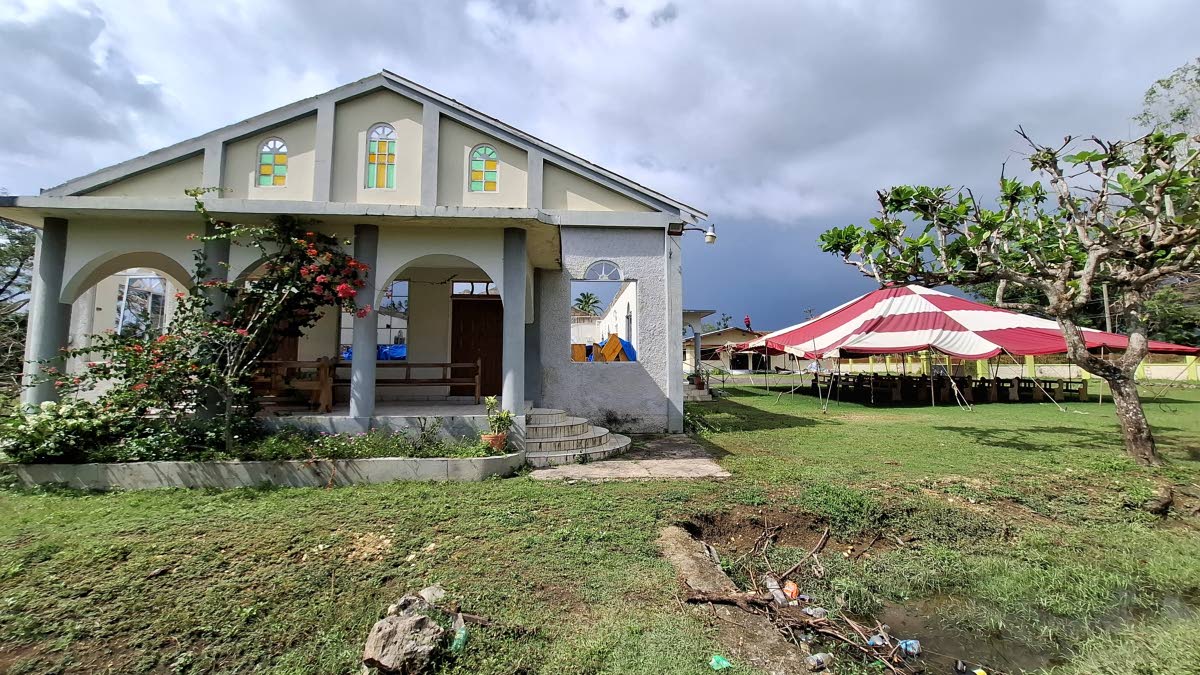 The Petersfield Holiness Wesleyan Church in Westmoreland shows extensive damage after Hurricane Melissa, leaving the congregation to worship in a tent.
On the most important weekend in Christianity, which should have been filled with polished pews, floral arrangements, and the echo of choirs beneath sturdy rooftops, many Jamaicans are instead gathering under tarpaulins, in classrooms, or beneath the open skies.
And still, they will worship.
Months after Hurricane Melissa tore across sections of the island, the damage still feels like a raw, open wound, visible in the twisted zinc, shattered walls, and sanctuaries reduced to memory. But this Easter, something else is just as visible: a stubborn, unyielding faith.
For Bishop Dr Roy Notice of the New Testament Church of God (NTCOG), that faith and the Easter season cannot be separated; the two go hand in hand.
A critical part of the celebration
“The New Testament Church of God in Jamaica considers the whole Passion Week celebration, which culminates on Resurrection Sunday, as extremely important, a critical part of the celebration of our faith journey. And so, no matter what the circumstances are, we celebrate it and we observe it,” he told The Sunday Gleaner last week.
The circumstances, however, have tested that resolve.
Across the NTCOG’s 365 churches, about 20 have been completely demolished and roughly 70 significantly damaged. In communities across St Elizabeth, Westmoreland, and Hanover, congregations have had to improvise. Tents were transformed into sanctuaries and tarps into temporary roofs.
“The tarps, they break when the wind is strong and when rain is falling, and people are greatly inconvenienced,” Notice said. “But the worship services continue, and there will be a celebration at Easter.”
Driving through the affected areas, he has seen it for himself as pastors press on, members gather and fellowship, and services continue not just for Easter, but in the difficult months leading up to it.
“I do sense that the passion is still strong. Hope is still alive. And the celebrations will continue.”
That quiet determination is echoed across the other denominations.
In the Anglican Diocese of Jamaica, Canon Garth Minott says the story is much the same, only larger in scale. About 120 churches have been damaged, including 18 completely destroyed, out of roughly 300.
And yet, not one congregation has stopped meeting.
“People are very resilient … . All the congregations are still meeting, obviously not in the same space, but all the congregations are meeting,” he told The Sunday Gleaner.
For some, that means worshipping in church halls or classrooms. For others, it means pitching tents or travelling miles to neighbouring churches. The setting may have changed, but the purpose has not.
“They are going to have an Easter celebration that is worthy of the resurrection of Jesus. So they are going to do the best that they can. It won’t be perfect, it won’t be as they would like, … but they are going to do it anyway.”
In many of the hardest-hit areas, the absence of decorations like flowers and no linen-draped altars is most noticeable. But what remains is something harder to measure.
“The message of Easter is hope – hope for healing in the body, healing in the mind, healing in the spirit; hope for the family; hope for communities. We have hope for the transformation of this society because the resurrection is about change,” Minott said.
That message feels especially real in Westmoreland, where Reverend Hartley Perrin, Custos of Westmoreland, has been watching his parish navigate both loss and resilience.
“It compares a little bit with those we had during the COVID season, where we had to stay in the yard, but apart from that incident, this Melissa crisis is one that is comparable because many of our churches are without roofs and without existence in some cases because some churches are completely demolished,” Perrin said.
At Petersfield Primary and Infant School, where he and the congregants of St Peter’s Anglican Church now worship, the reality is stark.
“We’re using the school and the school has no roof. It’s a tarpaulin on top and the tarpaulin drains water sometimes … and poses a threat. You know, it’s a little disheartening at times. But we still do our best to worship.”
Even in those conditions, Easter traditions persist. Worshippers will be adorned in white for today’s Easter Sunday service. Hymns will be sung and the loudest praises will resonate. And somewhere nearby, bun and cheese will be shared. Even in the midst of recovery, there are small signs of normalcy.
“There’s no Easter without the bun and cheese,” Perrin said, a tradition untouched by the storm. “Bread does not sell as usual. It’s bun.”
But perhaps nowhere is the connection between suffering and faith more deeply expressed than within the Moravian Church.
Led by Reverend Barrington Daley, the denomination has faced heavy losses across its Central and Western districts, particularly in St Elizabeth, Westmoreland, and St James. Of 37 congregations, six have been destroyed, while 10 church sanctuaries suffered total roof loss or severe structural damage. Another nine sustained severe roof damage and, in addition to that, eight church houses (rectories) and two church halls were severely affected.
Yet even here, where buildings have been torn apart, the church insists it has not been broken.
“Despite this widespread destruction, temporary and alternative spaces have been established, ensuring that worship, fellowship, and ministry persist,” the Church noted.
What might have been a season of interruption has instead become something deeper.
“Easter is not born out of comfort, but out of adversity.”
For many Moravian congregants, that is no longer just theology, now a lived experience. The story of Easter, with its themes of betrayal, suffering, and ultimate renewal, now mirrors their own reality.
“The church is not so much the buildings, but the people.”
So even where sanctuaries lie in ruins, the life of the Church continues, in voices raised in song under tents, in prayers whispered in those borrowed spaces, and in quiet acts of support from one neighbour to the other.
Across denominations, the work of rebuilding has already begun. For the NTCOG alone, costs are expected to run into the millions, with some churches requiring tens of millions of dollars to restore.
For one church in Black River, according to Bishop Notice, it will cost more than $6 million to replace the roof alone, while another severely damaged church’s repair bill is an estimated $31 million.
There is help from international partners, the Jamaican diaspora, and local congregations, but the journey ahead will be long.
“It’s going to be quite a journey over the next few years to at least get us back to where we were, and we’re also trying to build back so that there can be greater resilience,” Notice told The Sunday Gleaner, noting that a number of churches will put on concrete roofs and strengthen their walls.
And yet, even as the rebuilding continues, the message of Easter arrives right on time.
“At the centre of the message, it has to be one of hope that in the darkest of moments, there is a possibility for light and for breakthrough,” he said.
Meanwhile, Perrin draws on the heart of the Easter story itself, saying, “For those who are despondent, those who are in despair, those who feel that all hope is lost … Easter comes to remind us that even death has no power over the resurrection.”
mickalia.kington@gleanerjm.com sashana.small@gleanerjm.com