When a student dies violently - Teacher haunted by pupils’ deaths, calls grow for conflict resolution and emotional support to curb school violence
Loading article...
-
 Anisa Wilson-Smith, education specialist and executive director of Life Skills Education Limited.
-
Anisa Wilson-Smith, education specialist and executive director of Life Skills Education Limited.
-
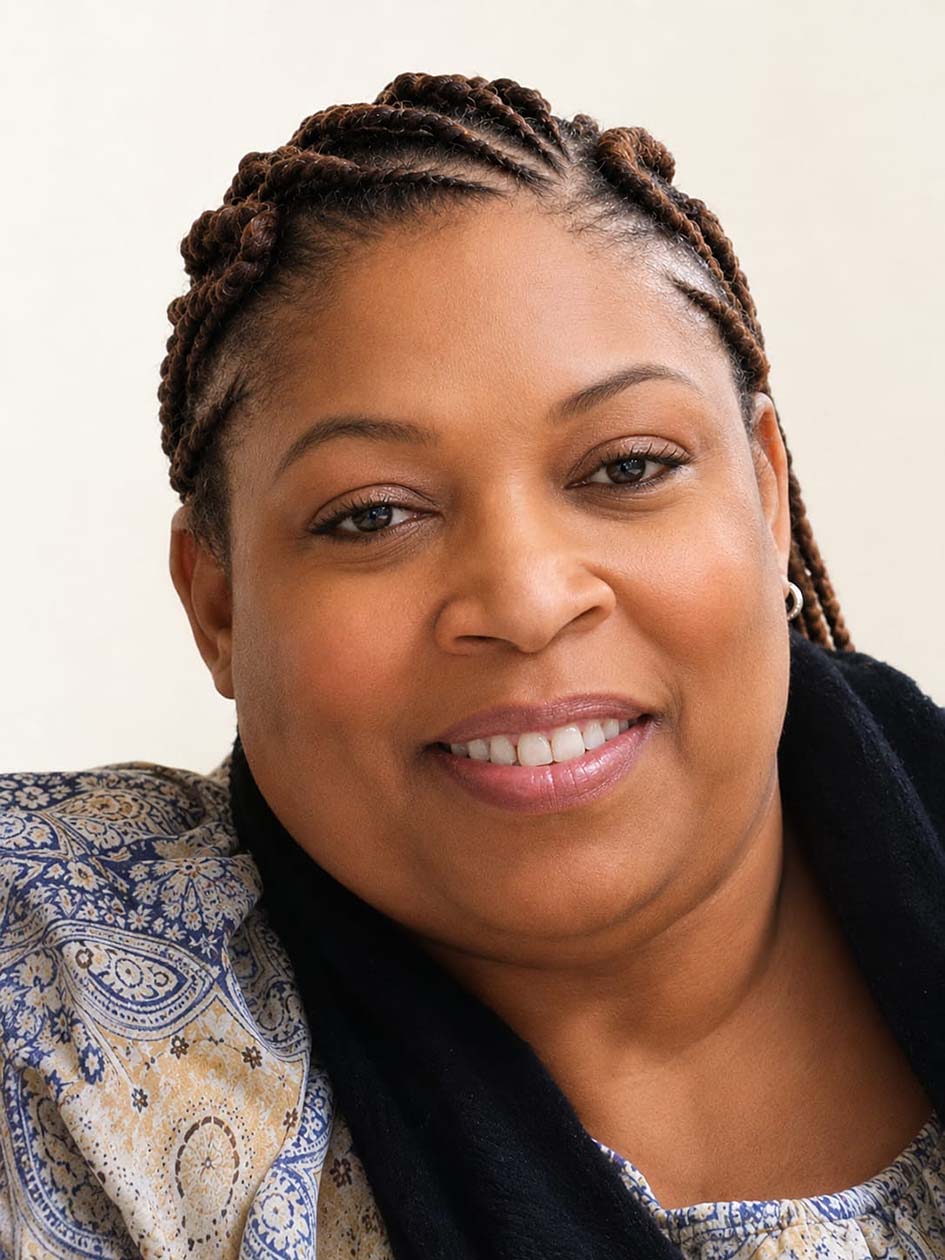 Dean of discipline at Ferncourt High School, Marissa Johnson-Howell.
-
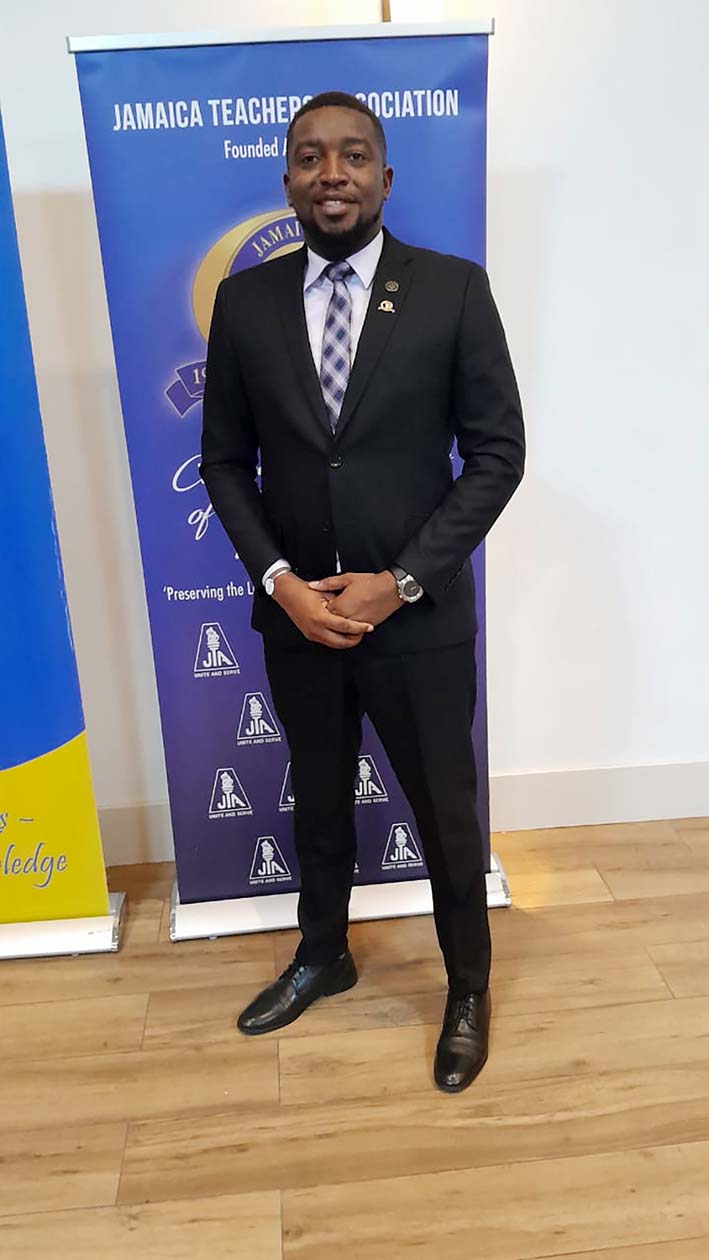 Teacher Mikhail McKenzie
The nightmares came after the funeral.
Months after 16-year-old Devonie Shearer died from injuries sustained when another student hit him with a chair at Ocho Rios High School, teacher Mikhail McKenzie still found himself haunted by the tragedy. To cope, he turned to writing – a letter to the Gleaner editor.
“I went to the funeral, and I was so saddened. I even had nightmares about this thing, you know, and I got up and said, ‘Let me see if I can write to the editor to see if I can clear my mind.’ Since I wrote the letter, I felt a little better,” McKenzie told The Sunday Gleaner.
For McKenzie, however, the pain was painfully familiar.
Nine years earlier, in 2017, he was left devastated by the violent death of another student he taught – 17-year-old Ricardo Senior, a promising prefect at Ocho Rios High School in St Ann whose life was cut short by a security guard under controversial circumstances in his Steer Town home community.
McKenzie, who teaches electrical and electronic technology and heads the school’s industrial technology department, said Ricardo’s death shook him deeply because of the close relationship they shared. He was not only Ricardo’s subject teacher, but also his form teacher.
“I was devastated when he died, and what really compounded the feeling of devastation was the fact that I saw him as a promising young man,” McKenzie said.
“At the time he was a prefect.; He was kind, from a good home. It affected me really badly. I remember for a while I was not able to talk about the situation without getting emotional. Anytime I brought it up, my voice usually cracked.”
Ricardo’s classmates struggled, too.
“They were really saddened. Some of them had to seek counselling, even long after it happened, so that they somehow could have their minds at ease,” McKenzie recalled.
Then, in March this year, tragedy struck again.
Devonie died after another student hit him with a chair at the same school – and once again, McKenzie found himself grieving a student from his classroom.
“I taught him, too,” McKenzie said. “He was part of my electrical class. As a matter of fact, the incident took place in my classroom, the classroom that I teach from.”
While he described the emotional toll as less severe than Ricardo’s death because he knew Devonie for a shorter period, McKenzie said the loss was still significant.
“It’s the same impact but not as severe as 2017 because in 2017, Ricardo was in my form class. I was his form teacher as well as a subject teacher,” he explained. “This student (Devonie), I was just the subject teacher, I would only see him like three days out of the week. He wasn’t here for very long. He came in September (2025), but even though he came in September, the impact was still great.”
The trauma extended beyond teachers.
“As for the students, yes, they were devastated. Even recently, one of his former classmates came to class, and she had a panic attack,” McKenzie told The Sunday Gleaner.
The incidents are part of a troubling pattern of violence in Jamaican schools, where educators and counsellors say conflicts among students are increasingly fuelled by unresolved emotional issues and amplified by social media.
Dean of discipline at Ferncourt High School, Marissa Johnson-Howell, said many school conflicts stem from damaged friendships, rumours, resentment, and feelings of betrayal that quietly intensify over time.
“For many educators, deans, counsellors, and administrators, these students are not simply ‘discipline cases’. They are children whose struggles, progress, setbacks, and potential become deeply familiar over time,” Johnson-Howell said.
“When interventions fail and separation becomes necessary for the safety and well-being of the wider school population, it can still feel emotionally heavy for staff and negatively affect school morale, almost as though the school has lost one of its own.”
Johnson-Howell also pointed to social media as a major factor escalating disputes among students.
“Disputes that once ended after school hours now continue online throughout the night and return to school the next day, escalated. Rumours, cyberbullying, public humiliation, and the pressure to ‘defend one’s image’ are contributing significantly to fights and retaliatory behaviour among students,” she told The Sunday Gleaner.
She argued that schools must move beyond punishment and place greater emphasis on emotional support and conflict resolution.
“This is why restorative conversations and social-emotional interventions are becoming increasingly important in schools. If conflicts are only punished and not properly resolved, students often return carrying the same anger, embarrassment, or resentment, which can later reignite into further incidents,” Johnson-Howell added.
McKenzie believes part of the solution lies in giving students healthier ways to process emotions. He said writing helped him cope with his own grief and believes students could benefit from similar outlets.
“After I wrote that letter to the editor, I felt a little better. So yes, I would suggest that students be encouraged to write about what is bothering them, express their feelings in writing. They could also be encouraged to speak to a responsible adult, teacher, or guidance counsellor about their feelings,” he said.
He is also calling for conflict resolution to become a formal part of the curriculum.
“One of the things I think we need to do also, especially from a policy perspective, is to implement a subject that teaches conflict resolution, and students are tested on it. Just like how you’re tested based on your knowledge of English and maths, you’re tested in conflict resolution. Maybe something like this will help to reprogramme the mind of our students as it relates to how to settle and deal with conflicts when they arise,” McKenzie said.
He further suggested targeted intervention programmes for troubled students.
“What you have to realise, the families, the communities, they are, in essence, failing, so most of the corrective measures would have to happen within the educational space,” he reasoned.
Education specialist and executive director of Life Skills Education Limited, Anisa Wilson-Smith, agreed that schools need stronger systems to address the root causes of violence.
"Violence in schools is not simply a student-discipline problem. It is often the result of deeper social, emotional, psychological, and systemic challenges affecting children, families, and communities,” Wilson-Smith noted.
She said Jamaica must move beyond punishment-only approaches if it is serious about reducing school violence.
“Schools need structured behaviour-management systems, trauma-responsive practices, stronger mental health and counselling support, and intentional social and emotional learning programmes that teach students life skills such as emotional regulation, conflict resolution, empathy, effective communication, and responsible decision-making and critical thinking,” she said.
At Shearer’s thanksgiving service in Hanover on April 16, Education Minister Dr Dana Morris Dixon echoed those concerns, stressing the need to equip children with better conflict-management skills.
“We have to look at the curriculum and strengthen it to ensure that we’re giving our children more tools so that they can handle conflicts. What led to us being in this church today was not inevitable. It could have been avoided. We have to teach our children how to avoid conflicts,” Morris Dixon said.
carl.gilchrist@gleanerjm.com