POWERING UP AGAIN - Western schools looking towards solar installations post-Melissa
Loading article...
-
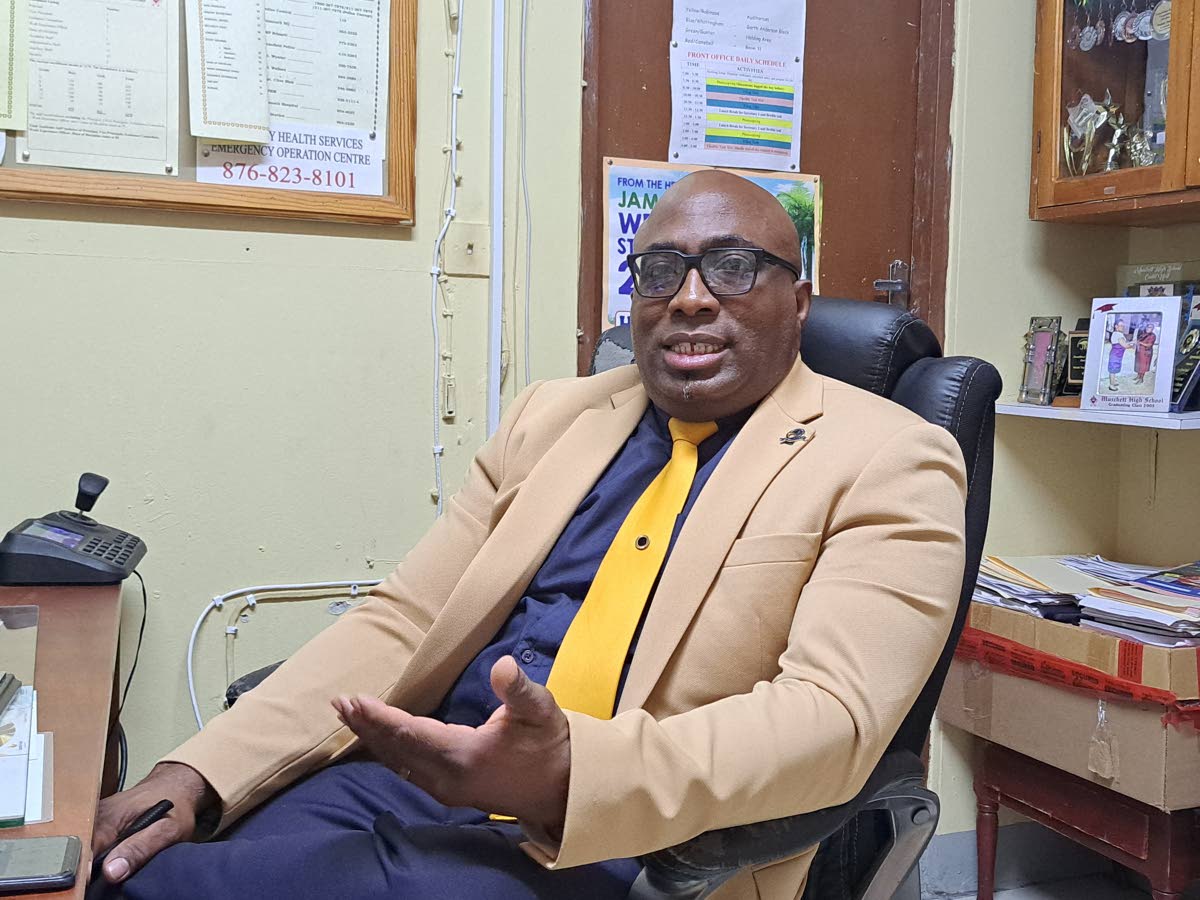 Leighton Johnson, principal of Muschett High School in Wakefield, Trelawny. Photo - Photo by Christopher Thomas
-
Leighton Johnson, principal of Muschett High School in Wakefield, Trelawny. Photo - Photo by Christopher Thomas
-
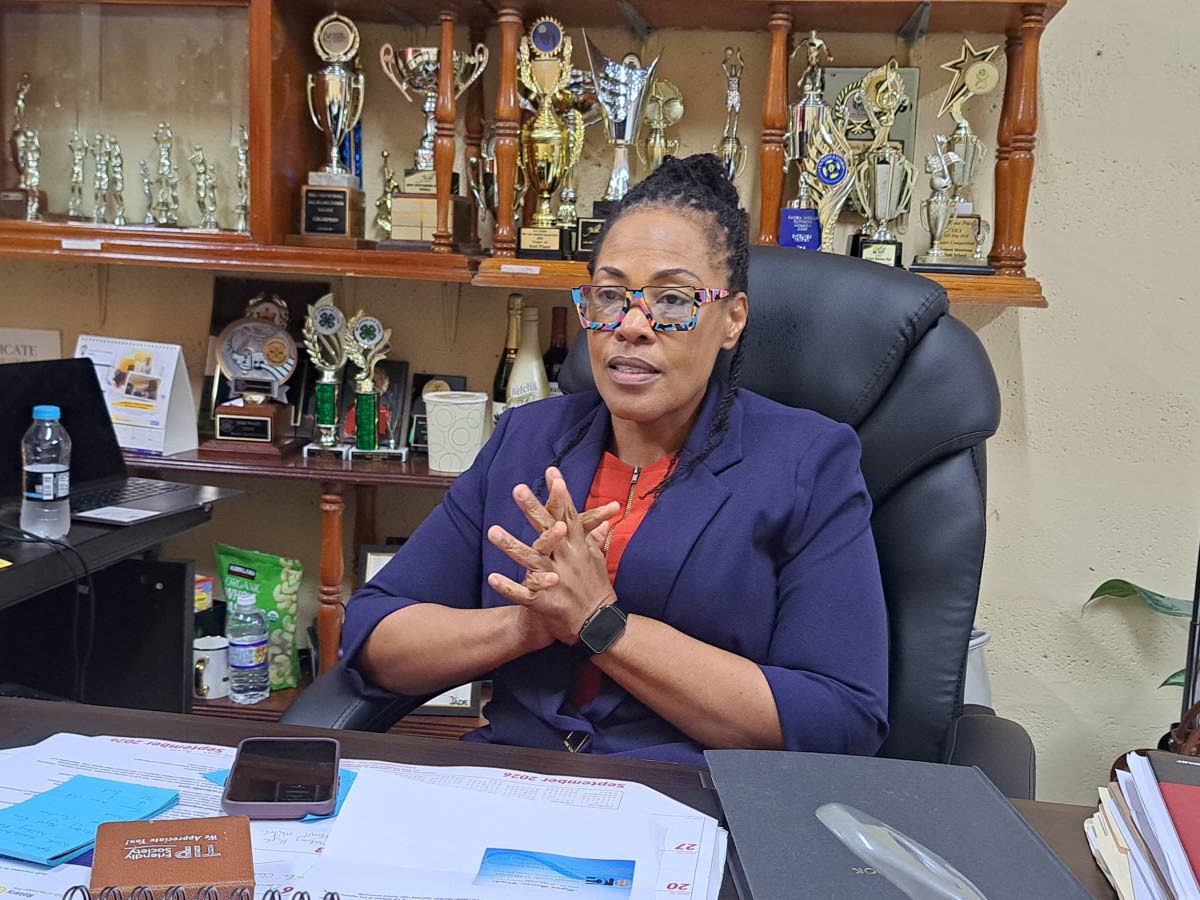 Dr Lavern Stewart, the principal of Herbert Morrison Technical High School in Montego Bay, St James. Photo - Photo by Christopher Thomas
WESTERN BUREAU:
At least two western Jamaica high schools that were damaged during Hurricane Melissa last October are looking to expand the solar-power facilities they had prior to the category-5 hurricane as a means of providing long-term renewable energy to power their operations.
Muschett High School in Wakefield, Trelawny, and Herbert Morrison Technical High in Montego Bay, St James, were among hundreds schools pounded by the hurricane on October 28 last year. It wrecked the small solar-power infrastructure they had in place at the time.
Muschett High’s principal, Leighton Johnson, told The Gleaner that the installation of a solar-power system would mean significant savings concerning the school’s electricity bill, which before the hurricane could get as high as $500,000 due to facilitating students on the shift system.
“We only had a single solar water heater that was designed and fabricated by our Technical and Vocational Department, and that was destroyed due to the passage of the hurricane. Currently, we do not have any other solar system working here, although a few years ago, our roof was retrofitted by the National Education Trust to receive solar panels, but that project ended abruptly,” said Johnson.
“The government currently withholds a portion of our tuition grant that they give us, in order to offset the cost of electricity and water. We believe that with the installation of solar panels, based on the current trends, the school and the Ministry of Education would be able to save a significant amount in that regard,” Johnson added.
Meanwhile, Herbert Morrison Technical High’s principal, Dr Lavern Stewart, said she is waiting for major ongoing repairs at the school to be completed before reaching out to the Ministry of Energy to assess the institution’s capacity for solar-power installation.
“We had just one building that had solar on it, which was our industrial technology building, and that was completely damaged. There were about four solar panels there to maintain that building, and now there are no panels left from that time in the storm,” said Stewart.
“I want to reach out to the Ministry of Energy before the end of this term, but I am just waiting on at least the major repairs to be done, so that we can have them come in and do an assessment of our area,” Stewart added.
“I know that there is a project to have solar [energy systems] in schools, and there are some schools who have benefited from it. I am going to really make the case to see if Herbert Morrison can be added to this project.”
Hurricane Melissa caused damage to 688 schools across Jamaica, 311 of which were assessed as having the most extensive damage. One hundred and two of those schools are located across the Ministry of Education’s Region 4 – St James, Hanover, and Westmoreland.
In August, Education Minister Dr Dana Morris Dixon announced that six schools would be chosen from each of Jamaica’s seven education regions – 42 schools in total – to get solar-power facilities installed.
“Hurricane Melissa showed us a lot of concerns where schools could not come back up because of electricity challenges, so solar power has to be part of our strategy. Where we can cut the electricity cost, that is more than I can give back to the schools for their operational costs, and those savings will come directly back to you in your schools,” Morris Dixon said at the time.
Earlier this month, Mount Alvernia High School in Montego Bay, St James, received a new solar-energy system courtesy of its Central Florida International Alumni Association. The $6.5-million system – consisting of 60 solar panels, two solar batteries, and two inverters – replaced the one that was damaged during the hurricane. It is designed to provide power to the school’s administrative area and the wider campus.
christopher.thomas@gleanerjm.com